REVIEW · CHIANTI
Greve in Chianti Wine Tasting and Winery Tour
Book on Viator →Operated by Azienda Agricola Brogioni Maurizio · Bookable on Viator
Greve in Chianti does wine stories right. This visit blends vineyard history, olive oil stops, and a family-run tasting with Chianti Classico context from Sangiovese grapes.
I like that it is hands-on and personal: you’re not rushed through big showroom steps, and you get to hear the reasoning behind the wines, not just the wine list.
My second favorite part is the pairing-led tasting setup. You’ll sample four red selections alongside local bites like Tuscan salami and cheese, which helps you actually understand what to look for while you sip.
One thing to consider: the visit can feel more focused on tasting and pairing than a long, walk-everywhere vineyard tour, so if you’re hoping for lots of walking, ask up front.
In This Review
- Key highlights you’ll care about
- A family-run winery stop in Greve: what this experience is really like
- Meeting at Via S. Cresci, 37: start strong and stay on time
- Vineyard history that actually helps you taste: Chianti Classico and Sangiovese
- Olive oil on the agenda: a stop most wine tours skip
- Inside the cellar: how the tasting works and what to expect
- Four red wines plus local snacks: how to get the most out of it
- Private vineyards and the owner’s story: why people remember it
- Price and value: is $60.47 worth it?
- Who should book—and who should think twice
- My practical checklist before you go
- Should you book the Greve in Chianti wine tasting and winery tour?
- FAQ
- How long is the Greve in Chianti wine tasting and winery tour?
- What does the tour cost?
- Where is the meeting point, and does the tour return there?
- Is the tour in English?
- What is included in the price?
- Is there a minimum age to drink?
- Can you accommodate dietary requirements?
- How many people are in a booking?
- Can I cancel for a full refund?
Key highlights you’ll care about
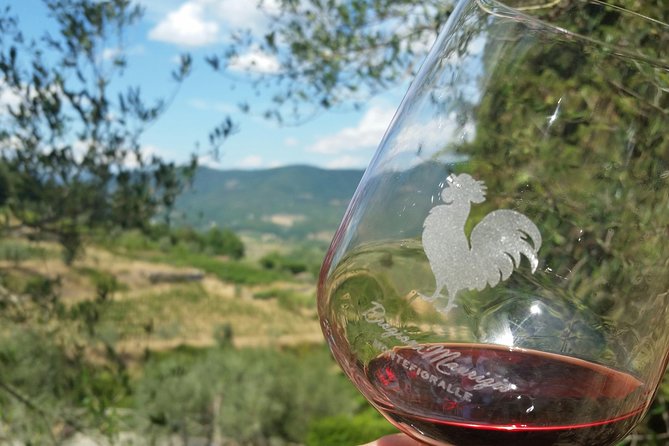
- Small group size (up to 12) means more back-and-forth and fewer standing-in-a-line moments.
- Chianti Classico explained in context with the Sangiovese angle front and center.
- Olive oil stop included before the cellar tasting, so the day isn’t only wine.
- Four red wine pours paired with local products, not just water and a cookie.
- On-site access to privately owned vineyards gives you a real-feel “this is lived-in” setting.
- English is supported, so you can follow the story without guessing.
A family-run winery stop in Greve: what this experience is really like
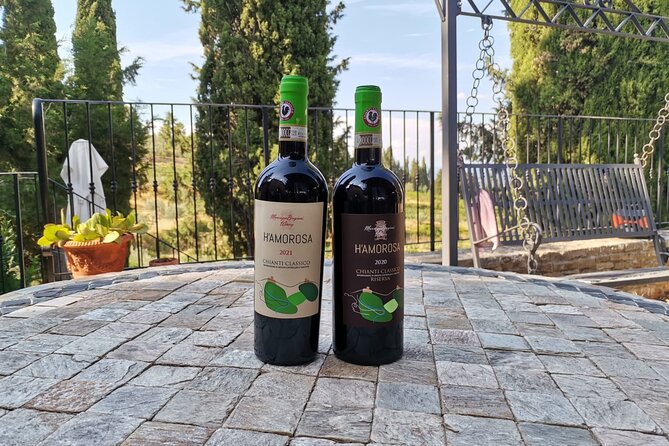
This is the kind of Chianti visit that feels like someone invited you into their workday. The setting is Azienda Agricola Brogioni Maurizio in Greve in Chianti, and the rhythm is simple: vineyard context first, olive oil next, then cellar time with tastings and snacks.
I like how the day is built around real production culture. The winery’s pitch is not just tasting notes; it is the meaning behind Chianti Classico and how it ties back to Sangiovese grapes. Even if you’re not a wine nerd, that story helps you taste with a little more brain, not just a little more swallow.
It’s also a good value-style tour because you’re paying for a compact experience: a short tour plus a structured tasting of four wines. At around 1 hour 30 minutes, it won’t eat your whole day, which matters in a place where you’ll probably want to see more than one thing.
You can also read our reviews of more food & drink experiences in Chianti
Meeting at Via S. Cresci, 37: start strong and stay on time
The meeting point is at Azienda Agricola Mauricio Brogioni Winery, Via S. Cresci, 37, 50022 Greve in Chianti FI, Italy. The tour ends back at the meeting point, so you’re not stuck figuring out transportation afterward.
A practical tip: double-check the exact spelling and address in your navigation app before you go. Some wineries get listed with slightly messy info online, and you don’t want to burn time driving around Greve’s streets searching for a sign.
Bring a photo ID if you have it handy. The minimum drinking age is 18, so expect to be asked for age proof if needed. If you’re booking with someone who is close to the limit, don’t gamble.
Vineyard history that actually helps you taste: Chianti Classico and Sangiovese
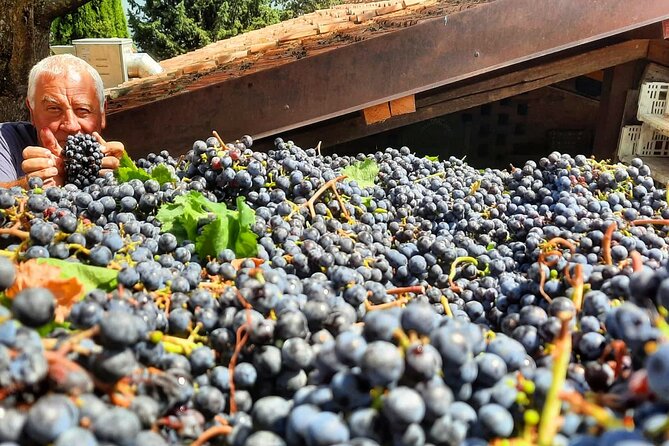
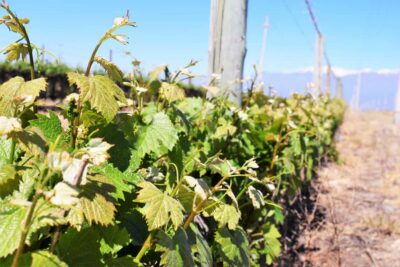
The tour begins with the vineyard visit and the history of Chianti Classico—specifically how it connects to Sangiovese grapes. This is where you’ll get the most “why” in the whole experience.
Here’s why this matters to you: when you understand that Chianti Classico has a grape identity (Sangiovese) and a regional one (Chianti Classico), your tasting becomes less like random sipping and more like recognition. You start asking better questions like, How does acidity show up? Where does bitterness land? Does the wine feel more about fruit or structure?
This isn’t a classroom lecture with slides. It’s more like a guided conversation in the real place where the vines grow. The best part is that you can ask questions as they come up. Many people love that the owner’s energy turns a short walk into something that feels personal and alive.
A small consideration: not every stop is guaranteed to include a long walk through vines. One of the answers from the winery mentions that vineyard walking is generally not requested, but it can be done on explicit request. If that’s important to you, say it clearly when you arrive.
Olive oil on the agenda: a stop most wine tours skip
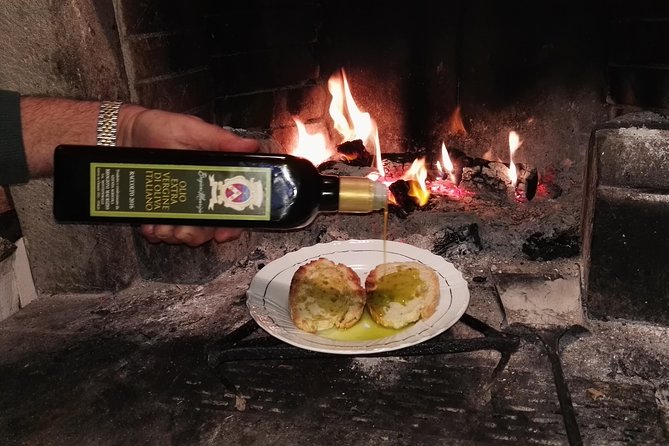
After the vineyard history, you visit the olive oils. That is a smart inclusion in Chianti because olive culture runs alongside grape culture here. You’re not just eating your way through snacks—you’re tasting flavors that match the region’s cuisine and daily habits.
In many tours, wine is the whole show. Here, the olive oil adds another dimension. It also changes how your palate feels before you step into the cellar. If you’re the type who likes tasting order (or just wants your tongue to stay awake), this helps.
One more practical detail: depending on the season, you might not get grape-related tasting. The winery mentions that grape tasting wasn’t possible after harvest was finished. If you’re visiting outside the main grape period, adjust your expectations: the olive oil tasting stays part of the experience, while grape samples might not.
Inside the cellar: how the tasting works and what to expect
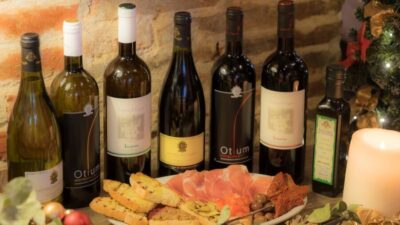
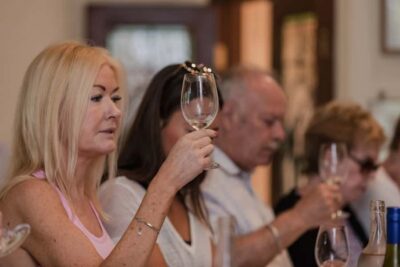
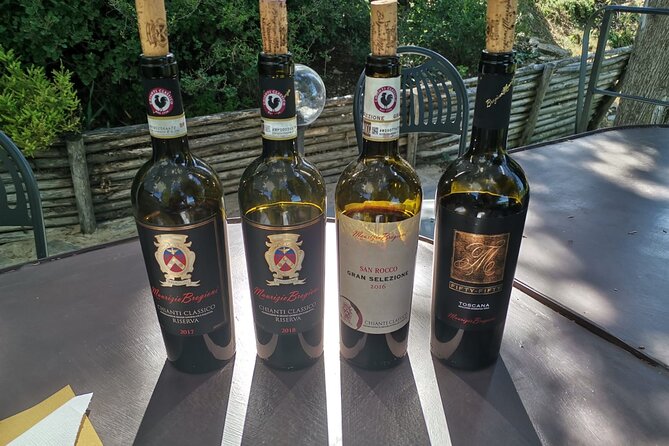
Then you head inside the cellar for wine tasting combined with local products such as cheese and Tuscan salami. The tasting is built around four different red wine selections.
Timing matters here. Several people note the pacing can be quick, with brief explanations between pours and then time spent tasting. That can be great if you like moving and comparing. If you want a slow, detailed breakdown of aromas and structure for every wine, you may want to ask targeted questions as you go.
Also, be aware that the explanations can lean toward food pairing rather than a long sensory lecture. One response from the owner notes that explanations are made mainly in combination with the food, not as a full, standalone focus on aromas and tasting mechanics. In practice, that means your best clues may come from what you’re eating alongside each pour.
The upside: paired tastings are often the easiest way to learn fast. The downside: if you were expecting a deep wine-nerd anatomy lesson, you might feel like it stayed surface-level.
Four red wines plus local snacks: how to get the most out of it
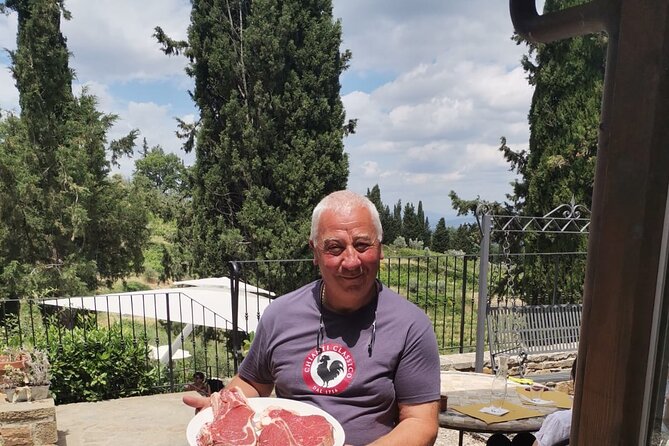
You’ll receive snacks included with the tour, and the tastings are combined with local products like cheese and salami. If you’re watching value, this is one of the strongest points: you aren’t just drinking four glasses. You’re also tasting bites that help you make sense of the wines.
To get more out of the tasting, do this simple thing:
- Pause between pours and take one note in your head: fruit, acidity, dryness, and how it changes once you eat a bite.
Don’t overcomplicate it. The goal is to compare how each wine behaves with salty, savory bites. That’s exactly where pairing-led tastings can teach you the most quickly.
Also, the group is capped. A smaller group is supposed to make it easier to hear the story and ask questions. Still, one negative comment highlights that seating at a shared table with another group can happen. If you’re sensitive to that kind of situation, arrive calmly, and if you have preferences, mention them at check-in.
Private vineyards and the owner’s story: why people remember it
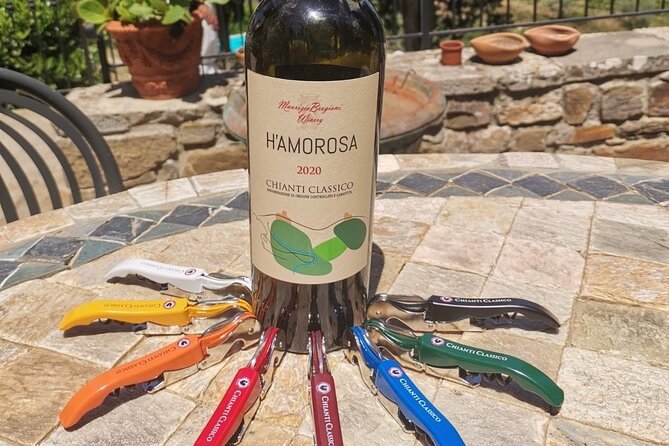
This tour has special access to the privately owned winery and vineyards, with an on-site tour. That access is part of why it feels authentic: you’re not just paying for a standard tasting; you’re entering a working place.
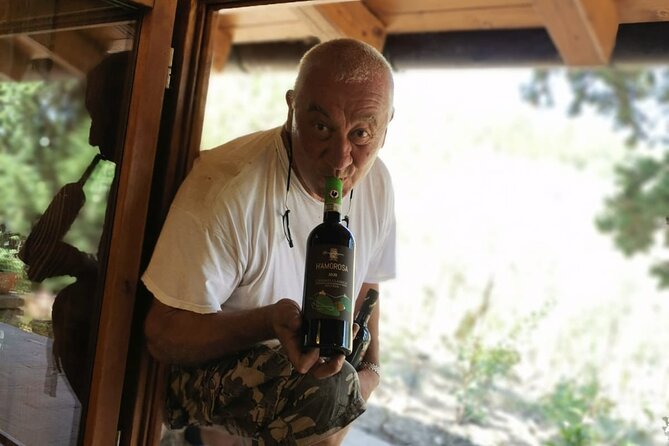
The standout detail you’ll hear again and again is the owner, Maurizio, and the way he shares his connection to the land. Some people describe him like a living legend and say they could listen for hours. Even without exaggeration, his presence turns a 1.5-hour tasting into a story-driven visit.
If you’re the type who enjoys learning how small producers think—why they do what they do—this is a strong match. The tour’s format rewards curiosity more than credentials.
Price and value: is $60.47 worth it?
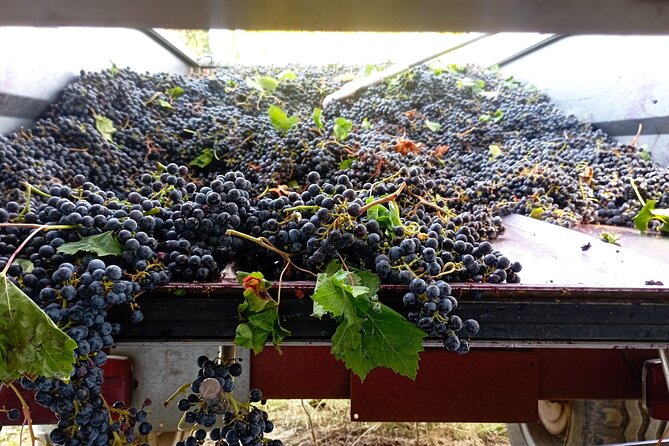
$60.47 per person for a 1 hour 30 minute tour that includes a wine tour, wine tasting, and snacks is not a bargain price. It’s more like a fair local value for an intimate experience with a private property focus.
Here’s how to judge if it’s worth it for you:
- If you want a short, guided, wine-and-food tasting with vineyard context, the price can feel fair.
- If you expected a long vineyard walk, a detailed step-by-step winemaking lesson, or extra time for wandering, you may feel the experience is tighter than you hoped.
The mixed feedback about whether it felt rushed or whether explanations were light mainly points to pacing expectations. This tour is not a full half-day winery school. It’s a compact tasting visit that gives you a lot in a little time.
So I’d call it good value if you show up open-minded and ask questions. If you want lots of wandering and deep technical touring, you’ll need to temper expectations or look for a longer-format winery tour.
Who should book—and who should think twice
You’ll probably love this tour if:
- You like Chianti Classico explanations tied to Sangiovese grapes.
- You enjoy tasting wine with local food pairings like salami and cheese.
- You want a small-group, intimate winery experience without spending your whole day in transit.
You should think twice if:
- You’re expecting a big production factory-style tour with detailed fermentation and barrel-by-barrel walkthroughs.
- You want long free time to roam the vineyard and cellar.
- You hate pacing that feels quick or highly structured.
Good news: if you care about vineyard walking or more detailed explanations, you can set that expectation at the start. The winery indicates that additional vineyard walking can happen with explicit request.
My practical checklist before you go
This is a short tour, so your prep should be equally simple:
- Wear comfortable shoes in case there’s walking on uneven ground during the vineyard portion.
- Plan for weather. The itinerary includes an outdoor vineyard visit, and if conditions are bad, parts of the walk might be adjusted.
- If you have dietary requirements, mention them during booking so the pairing can be handled.
- If you’re traveling with someone under 18, this tour does not fit due to the minimum drinking age.
Should you book the Greve in Chianti wine tasting and winery tour?
I’d book it if you want a compact, authentic-feeling Chianti experience: vineyard context for Chianti Classico, an olive oil stop, and a cellar tasting with four reds and local snacks. The small group size and the owner’s involvement are the big reasons this tour lands well for many people.
Skip it (or at least set expectations) if you want a long, wandering vineyard trek or a slow, super-technical winemaking lesson. This visit is more about pairing, tastings, and story than about covering every detail of production at a museum pace.
If you’re unsure, I’d decide based on your style:
- Short guided tasting + food pairing = yes.
- Long deep-production tour with lots of roaming = look for a longer format.
FAQ
How long is the Greve in Chianti wine tasting and winery tour?
It runs for about 1 hour 30 minutes.
What does the tour cost?
The price is $60.47 per person.
Where is the meeting point, and does the tour return there?
You meet at Azienda Agricola Mauricio Brogioni Winery, Via S. Cresci, 37, 50022 Greve in Chianti FI, Italy, and the tour ends back at the same meeting point.
Is the tour in English?
Yes, it is offered in English.
What is included in the price?
Wine tour and wine tasting are included, along with snacks.
Is there a minimum age to drink?
Yes. The minimum drinking age is 18.
Can you accommodate dietary requirements?
You should advise any specific dietary requirements at the time of booking.
How many people are in a booking?
The maximum is 12 travelers, and the booking limit is stated as a maximum of 15 people per booking.
Can I cancel for a full refund?
Yes. You can cancel up to 24 hours in advance for a full refund.