REVIEW · GRAN CANARIA
Gran Canaria: Winery Tour, Wine Museum, and Tasting
Book on GetYourGuide →Operated by Timonfaya Travel Lanzarote · Bookable on GetYourGuide
That old winery smell hits fast. This 1.5-hour Gran Canaria tour mixes vineyard walks, a family wine museum, and a simple tasting that actually ties the story together. You’re stepping into a working place where the family’s methods have been passed down for generations, and you’ll see the physical evidence of that—stone, casks, old tools, and the modern side of winemaking too.
I like two things most. First, the tasting isn’t random: you learn how the grapes grow on volcanic soil and how organic work affects the final glass, then you taste two wines with local cheese and toasted bread. Second, the museum part feels specific and local, not like a generic display—Gran Canaria’s only wine museum is the focus here. One consideration: the vibe is small and rural, and there’s no hotel pickup, so you’ll want to plan your arrival at the meeting point and wear shoes that handle uneven ground.
In This Review
- Key moments worth planning for
- Where the Tour Begins: Bodega San Juan and the Feel of a Working Estate
- Vineyard Walk: Volcanic Soil, Endemic Grapes, and What Organic Work Looks Like
- The Wine Museum: Old Machines, Old Smells, and the Only Museum of Its Kind
- Stone Lagares and the 100-Year Connection to How Grapes Used to Be Tredden
- Modern vs. Old: Seeing How the Process Changed Without Losing the Plot
- The Tasting: Two Wines, Local Cheese, and Toasted Bread That Complements the Story
- Price and Value: Why $34 for 1.5 Hours Works Here
- Who This Tour Is Best For (and Who Might Want Something Else)
- Getting There: No Pickup, Rain or Shine, and How to Plan
- Should You Book This Winery, Museum, and Tasting Tour?
- FAQ
- What is the duration of the Gran Canaria winery tour?
- Where do I meet for the tour?
- Is hotel pickup included?
- What’s included in the tasting?
- Does the tour run in bad weather?
- What language is the guide?
Key moments worth planning for
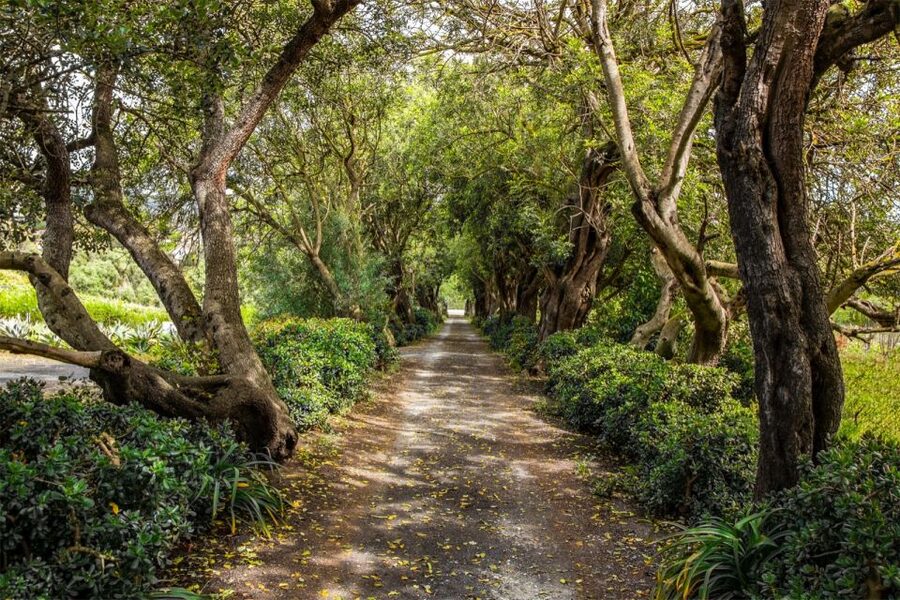
- Family-run organic vineyards stretching back five generations
- The only wine museum in Gran Canaria with old machinery and cellar smells
- 100-year-old stone lagares tied to grape-treading traditions
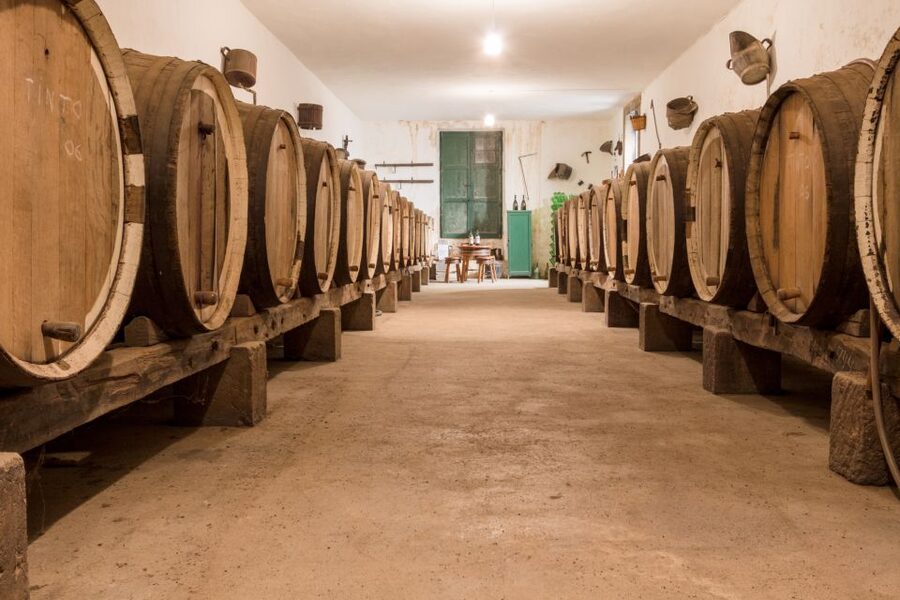
- Wooden casks and fermentation aromas that make the process feel real
- Two-wine tasting paired with local cheese and toasted bread
- Photos everywhere, especially with vineyard rows and historic buildings
Where the Tour Begins: Bodega San Juan and the Feel of a Working Estate
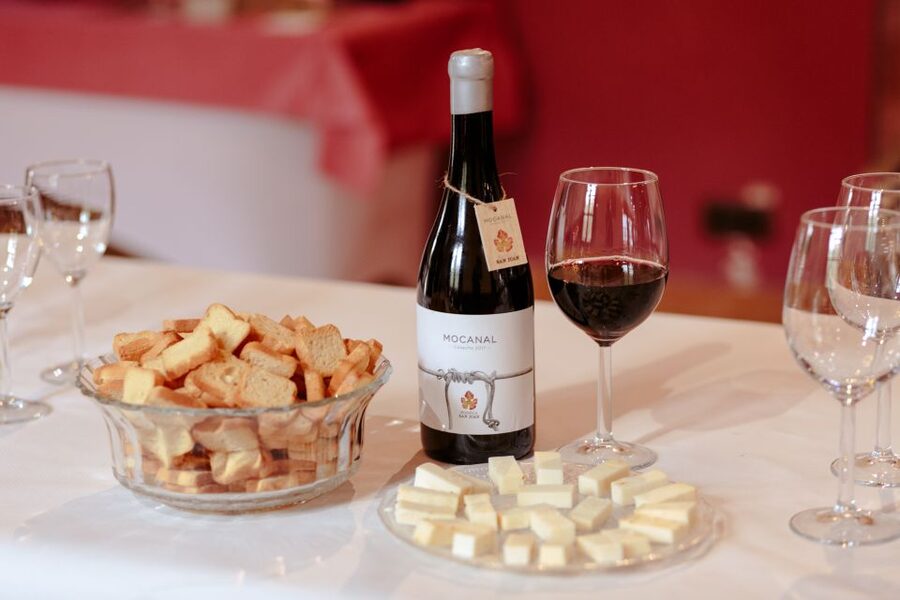
This tour meets at Bodega San Juan – Finca El Mocanal, and from the first moments you get why this place stands out. It’s not a stage set. It’s a real, still-functioning winery on Gran Canaria, run by a family with deep roots on the island.
The “organic” label matters here because you can feel how it shapes everything you’ll see next. In the vineyard part, you’re not just looking at grapes as decoration. You’re hearing how the family keeps the vines in good condition through the seasons, and how the island’s conditions create a unique style. That matters for you as a visitor because it changes how you’ll interpret the wines later. Instead of tasting something you can’t place, you’ll have a story in your head: soil, grape varieties, and the choices the family makes to keep the process natural.
You’ll also get a guide who leads in English (and in at least one case, has shown the ability to flex with a mixed group). The tone I’m after on a tour like this is “clear and human,” and the reviews point to a guide like Maria who uses humor and storytelling along the way. If your guide starts a bit abrupt, don’t panic—once the tour gets moving, the explanation usually lands better and the experience becomes more relaxed.
You can also read our reviews of more tours and experiences in Gran Canaria.
Vineyard Walk: Volcanic Soil, Endemic Grapes, and What Organic Work Looks Like
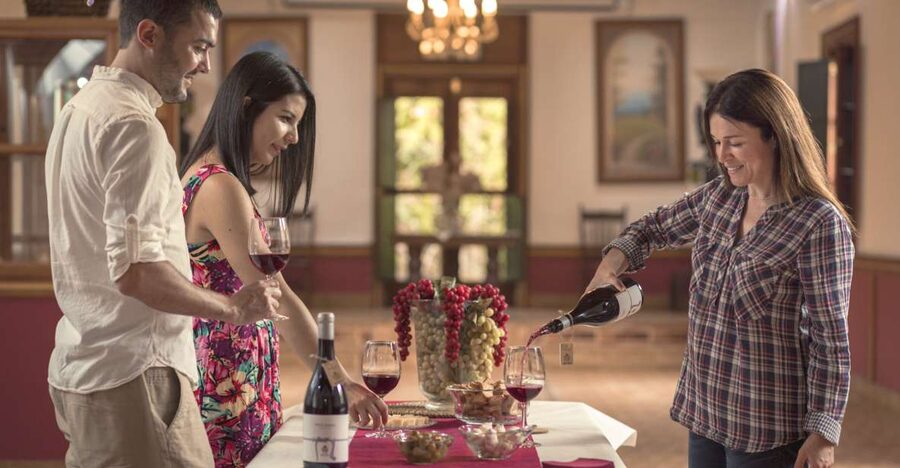
The walk through the vineyards is where you start building your mental map for the wine. You’ll hear about endemic grape varieties, and you’ll also learn why volcanic soil is such a big deal on Gran Canaria. The idea is simple: soil isn’t just a backdrop. It influences how vines grow, how grapes ripen, and what ends up in the bottle.
This is also where the tour becomes more than sightseeing. Organic winemaking isn’t just a marketing phrase. You’ll be shown what it takes to keep the crop in good shape—work that’s ongoing, not a one-time action. Even if you’re not an expert, you’ll understand the pressure points. Healthy vines lead to better grapes, and better grapes make it easier to produce wine with character instead of trying to correct problems later.
You’ll likely get plenty of time for photos. The vineyard rows and rolling views are the kind you’ll want to capture before you start thinking about tasting. And the nice part is that you can take photos while the guide explains things—so your pictures don’t end up feeling like random snapshots. You’ll be able to look back later and remember what you were looking at.
The Wine Museum: Old Machines, Old Smells, and the Only Museum of Its Kind
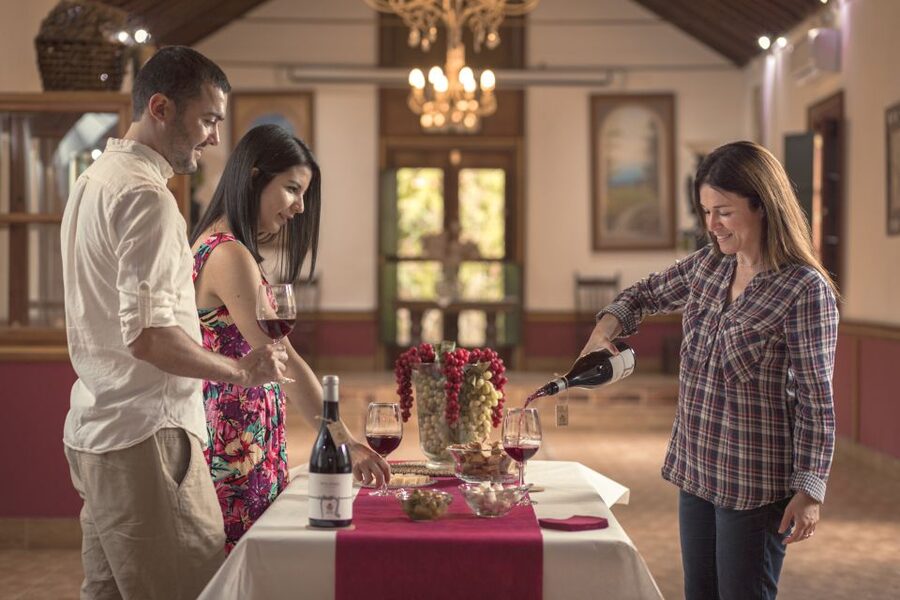
Then you step into the museum side, and this is one of the main reasons I think this tour is good value. The winery also has a museum component, and it’s described as the only wine museum in Gran Canaria. That alone makes it more interesting than places that feel copied from one region to the next.
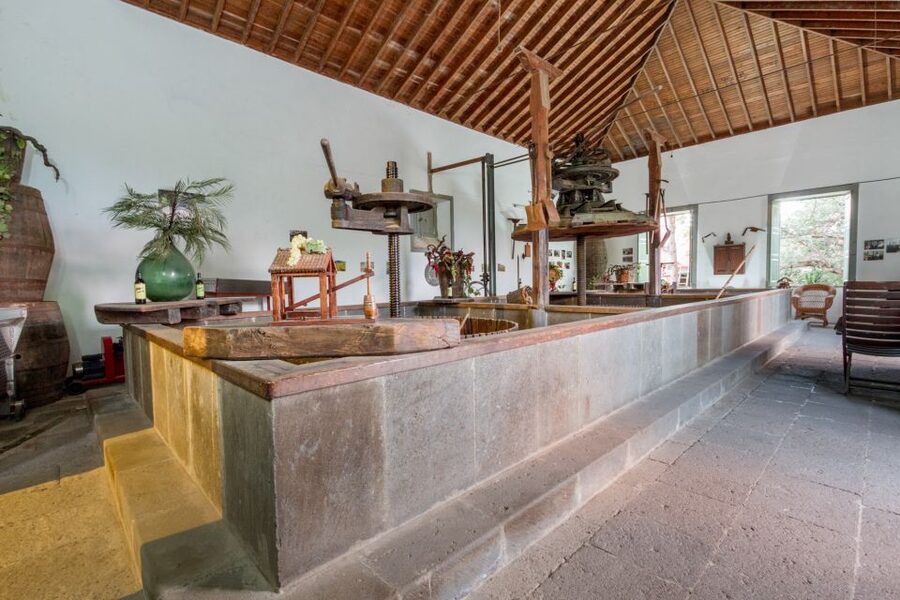
In the museum area, you’ll see how winemaking has evolved. Old machinery is part of the story, and you’ll also notice the way the space is organized to show the past clearly—not hidden behind glass and not treated like a checklist. The guide will connect those machines to what they were doing in the vineyard and cellar, so the pieces start to click.
One detail I really like for your experience: you’re not only looking. You’re also smelling. As you enter the cellar area, you’ll catch the aroma of wines fermenting in wooden casks. That changes the feel of the tour. Wine is usually a taste experience. Here, it becomes something you understand with your senses—steam of fermentation in the air, the wood tone, and the quiet seriousness of an actual working cellar.
Stone Lagares and the 100-Year Connection to How Grapes Used to Be Tredden
Right in the middle of all this history, you’ll see a piece of material culture that makes the past feel physical: a 100-year-old stone lagares where grapes were once trodden. It’s the kind of thing that stops you for a moment because you can picture what those days required. It takes labor, coordination, and care—there’s nothing casual about it.
For you, this matters because it changes how you think about tradition. It’s not just romantic nostalgia. It’s a reminder that winemaking was once all hands-on, all local, and all shaped by what the family had and how they worked the land. When you’re later comparing old methods with modern facilities, this stone structure gives you a clear reference point.
The best part is that the tour doesn’t treat history as a detour. It uses the lagares as a bridge—toward the modern production area, toward the way fermentation and storage are handled now, and toward why the family still keeps certain practices and values in place.
Modern vs. Old: Seeing How the Process Changed Without Losing the Plot
A good wine tour helps you understand the arc: grape to bottle, past to present, and what stays consistent even as tools improve. This one does that with a comparison approach.
You’ll see the evolution in two ways:
- Old vs. newer facilities in how wine is produced and stored
- Old machinery vs. modern handling in the museum and cellar context
The guide also explains the overall flow—how grapes are grown, how the organic approach affects the raw material, and how the winemaking process has been refined over time. You’ll hear about the role of volcanic soil and the importance of endemic varieties, but then you’ll also get the practical side: what you’re doing during fermentation, and why the cellar matters.
This makes the tasting at the end feel smarter, not just “free drinks with snacks.” You’ll have a reason for the differences you taste—especially since the guide ties back to the vineyard before you sit down.
The Tasting: Two Wines, Local Cheese, and Toasted Bread That Complements the Story
At the end, you get a guided tasting with two wines, paired with Gran Canaria cheese and toasted bread, plus snacks that include olives. This is simple, but it’s effective. The food isn’t there to distract you from the wine. It’s there to help your palate settle and make it easier to notice what’s in each glass.
I like tastings that match what you just learned, and this one does. Because you walked the vineyards and saw the cellar context, you’re tasting with context instead of tasting in a vacuum. Even if you’re not picky about wine, you’ll still get more enjoyment out of it.
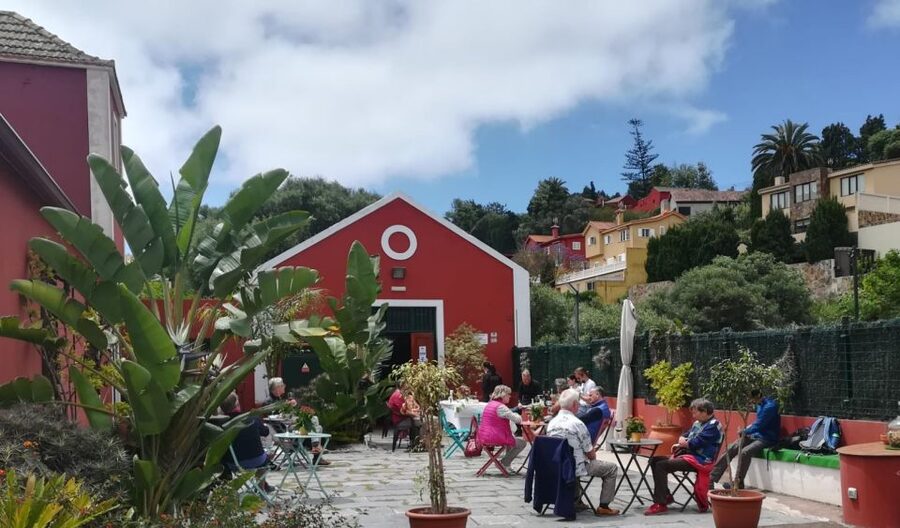
Some extra notes from what’s been described: the tasting setting can feel calm and outdoors, and on at least one occasion people described garden surroundings with butterflies. That kind of detail doesn’t change the wine, but it changes the mood. You’re not rushed, and it feels more like a relaxed pause on the estate than a formal workshop.
If you’re hoping to buy bottles, keep expectations realistic. One review noted that their own red wine wasn’t available to buy at the time of that visit. So plan for the tasting first, and if buying is part of your plan, be open to what the shop has in stock that day.
Price and Value: Why $34 for 1.5 Hours Works Here
At $34 per person for about 1.5 hours, this tour can be a solid value—mostly because it stacks several experiences that are usually priced separately.
Here’s the value equation I’d use as your decision tool:
- You’re paying for a farm/estate walk (not just a quick photo stop)
- You get the museum component with old machinery and historic artifacts
- You get a guided tasting with two wines
- You also get snacks that include cheese, toast, and olives
Many wine tours cost more when they focus mainly on the tasting. This one earns its price by giving you a reason for the tasting. You’re not just drinking; you’re learning what you’re drinking, and you’re seeing the physical evidence behind it.
Two small “value reducers” to keep in mind:
- No hotel pickup, so you’ll need to handle getting to Bodega San Juan – Finca El Mocanal on your own.
- The tour is weather-dependent in the sense that it runs rain or shine, so you may want a light rain layer ready.
If those points don’t bother you, the price-to-experience ratio is pretty convincing for what you get in 90 minutes.
Who This Tour Is Best For (and Who Might Want Something Else)
This tour is a good fit if you:
- Like family-run places where the story is tied to the land
- Want a quick but meaningful wine experience (90 minutes rather than a half-day)
- Enjoy history you can see in objects—like the stone lagares and museum machinery
- Prefer an organic-focused angle rather than a glossy, commercial tasting
It may not be your best match if you’re looking for a big, entertainment-heavy production or if you want a long meal-style wine day. The appeal here is the intimate estate feel and the structured explanation, not a party atmosphere.
Also, if you’re traveling with someone who doesn’t want to spend hours tasting, this works well. You get the process explanation and the walking component up front, so it stays interesting even before wine shows up.
Getting There: No Pickup, Rain or Shine, and How to Plan
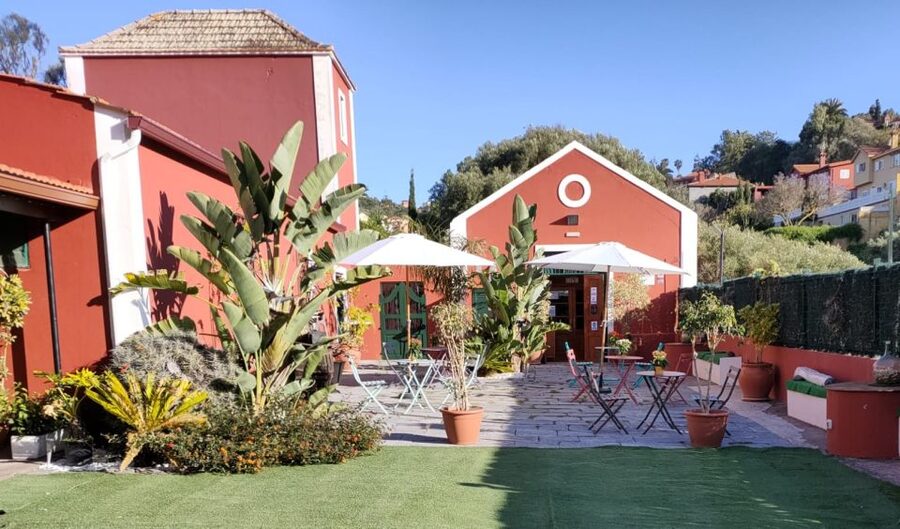
Because there’s no hotel pickup, your planning needs to be straightforward. You’ll meet at Bodega San Juan – Finca El Mocanal. Give yourself extra time so you’re not rushing at the start—especially if you’re using local buses or taxis and need a moment to find the exact meeting area.
The tour runs rain or shine, so pack like you’re on the Canary Islands: a light jacket or small umbrella can turn an uncomfortable outing into a manageable one. Wear comfortable shoes because you’re walking vineyards and moving around estate areas.
Timing-wise, it’s short and efficient: you’re looking at 1.5 hours, so you can usually fit it into an afternoon without wrecking your schedule. I’d treat it as a centerpiece stop—something you build around rather than something you squeeze in last minute.
Should You Book This Winery, Museum, and Tasting Tour?
Book it if you want a wine experience that feels grounded: century-old winery roots, a real museum angle, and a tasting that makes sense after you see the vines and the cellar. The guide setup (English-speaking host) and the fact that the tour works year-round, rain or shine, makes it easy to plug into a Gran Canaria plan.
Skip it only if you expect a high-gloss, mass-tour kind of day. This is for people who like seeing how wine is made—by someone who still owns the story and can explain it in a human way, often with guide Maria at the center of the experience.
If you want value, consider that your money buys you more than wine: it buys you place, process, and a tasting paired with local food.
FAQ
What is the duration of the Gran Canaria winery tour?
The tour lasts 1.5 hours.
Where do I meet for the tour?
Meet at Bodega San Juan – Finca El Mocanal.
Is hotel pickup included?
No. Hotel pickup and drop-off are not included.
What’s included in the tasting?
You’ll taste two wines, accompanied by Gran Canaria cheese and toasted bread, with snacks that include cheese, toast, and olives.
Does the tour run in bad weather?
Yes. The tour takes place rain or shine.
What language is the guide?
The host or greeter provides the tour in English.