REVIEW · BILBAO
From Bilbao: La Rioja Wineries Day Trip with Wine Tastings
Book on GetYourGuide →Operated by Servicios Turisticos Integrales · Bookable on GetYourGuide
Rio is the Spain you drink slowly. This day trip strings together Haro history and two very different winery experiences, plus a taste of life in medieval Laguardia.
I especially like the structure: a guided visit at CVNE in Haro, then a guided walk through town before the next tasting. And I like that you learn the Rioja process as you go, not just at the tasting table.
One consideration: it’s a long, packed day with lots of walking and a rain or shine schedule, and it’s not recommended for people with limited mobility.
In This Review
- Key moments that make this Rioja tour worth it
- Rioja by bus from Bilbao: what you’re really buying
- CVNE in Haro: the centenary winery that sets the tone
- Haro’s historic walk: Plaza de la Paz and a change of pace
- Laguardia: medieval streets, narrow corners, and real town texture
- The Laguardia cellar visit: learning how Rioja becomes Rioja
- Elciego and Marqués de Riscal: modern architecture on the return trip
- Timing and logistics: how the 9-hour schedule feels on your body
- Wine tastings: what you learn, what to expect, and how to shop smart
- Who this tour suits best (and who should choose another plan)
- Should you book this Rioja wineries day trip from Bilbao?
- FAQ
- Where is the meeting point in Bilbao?
- How long does the tour last?
- What wineries and towns do we visit?
- Is lunch included?
- What’s included in the price?
- What languages is the tour guide available in?
- Does the tour run rain or shine?
- Is hotel pickup included?
- Is the tour suitable for people with mobility impairments?
Key moments that make this Rioja tour worth it
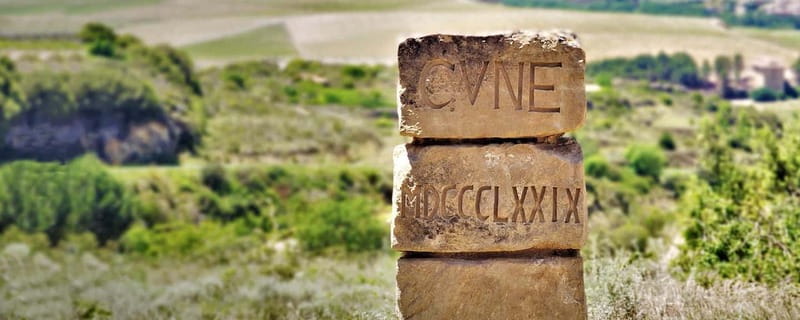
- CVNE in Haro: a centenary, emblematic winery tour with tasting.
- Plaza de la Paz and Haro’s old center: a guided walking break between wine stops.
- Laguardia’s medieval lanes: a real stroll in a town shaped for foot traffic.
- A traditional cellar visit in Laguardia: wine-making from a more familiar, small-producer angle.
- Elciego’s Marqués de Riscal stop: modern architecture as a bonus photo moment on the way back.
Rioja by bus from Bilbao: what you’re really buying
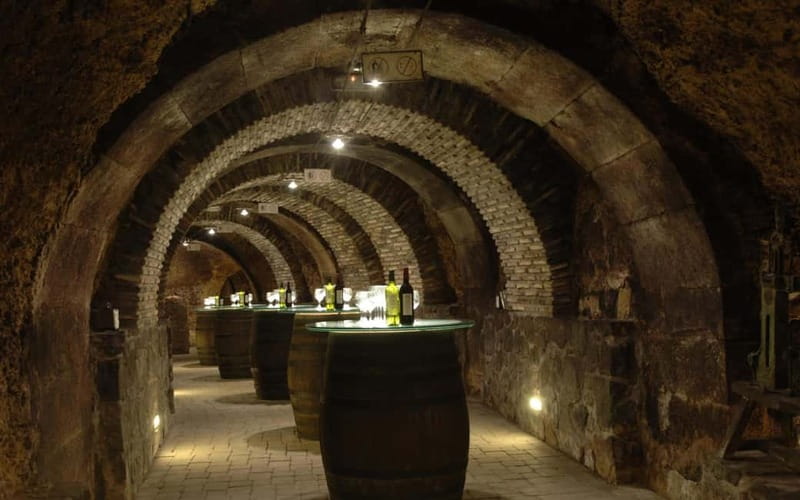
This isn’t just a wine tasting day. You’re buying a mix of guided context and time in two towns that sit at the heart of Rioja culture. That matters, because Rioja wine is tied to place: hills, grape choices, aging traditions, and the rhythm of village life around harvest and cellars. The tour’s format helps you connect the dots.
The price (about $100 per person) lands you transportation, a guide, and two winery/tasting moments plus walking tours. You’re also not stuck figuring out schedules or juggling rides after tastings. Still, you’ll want to plan for food on your own since lunch isn’t included, and the day runs close to nine hours with frequent movement.
You’ll likely notice a theme as the day moves along: the guide keeps shifting gears between wine facts and “walk-and-look” town time. That makes the day feel less like a factory tour and more like a guided visit to Rioja life. Guides on this route have included people such as Stéphane, Miriam, and Aitor, and the common thread is clear explanations paired with local stories.
One more reality check: this tour takes place rain or shine, so wear shoes you can trust and bring a light layer even in warm weather.
You can also read our reviews of more wine tours in Bilbao


CVNE in Haro: the centenary winery that sets the tone
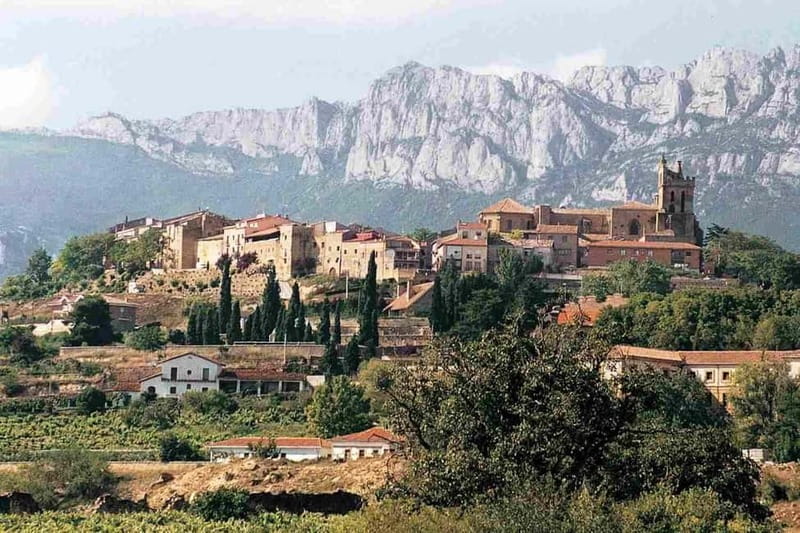
Haro is Rioja’s wine hub, and the tour starts there for a reason. You’re not arriving in a random vineyard viewpoint and hoping for the best. You start with a guided winery visit at CVNE, described as a centenary and emblematic winery.
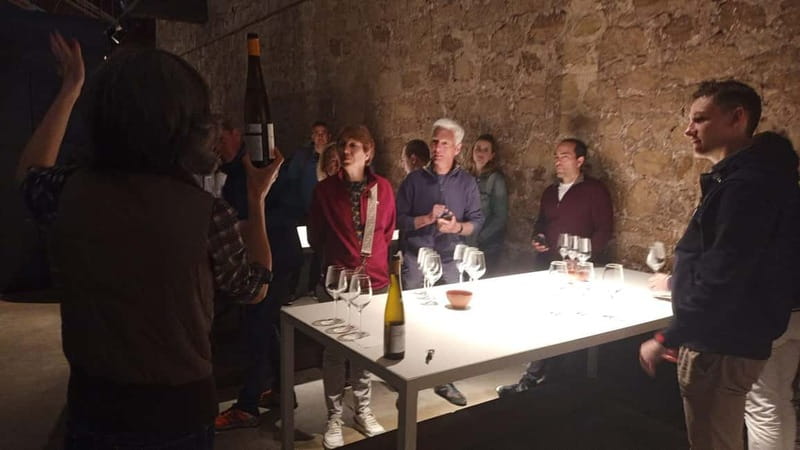
What makes this stop valuable is the pacing and framing. The visit isn’t just about pouring wine; it’s about how Rioja is made. Expect the guide to walk you through the wine elaboration process, then tie that knowledge directly into the tasting. For you, that means the first pour becomes more than a sip. It becomes a reference point: you’ll taste with more intention because you know what you’re looking for.
The tour includes a tasting time of about 1.5 hours, which is long enough to actually ask questions and notice details. You’ll get to sample the style and then look at it through a winemaking lens. If you’re new to Rioja, this start helps you avoid the common beginner mistake of tasting five wines but remembering none.
A practical note: winery tours involve standing and walking through cellar spaces. Comfortable shoes matter, and you’ll be glad you didn’t pack the fragile ones you only wear on vacation photos.
Haro’s historic walk: Plaza de la Paz and a change of pace
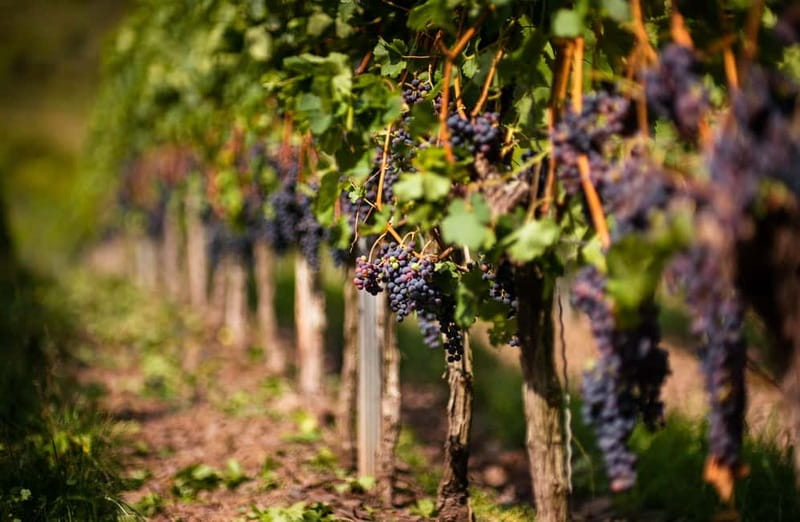
After CVNE, the tour shifts gears with a guided walking tour of Haro’s historical center. A key landmark is Plaza de la Paz, which anchors the feel of the old town.
This is more than a sightseeing break. It’s a smart way to reset your palate and your legs. Tastings can blur together fast, and having time to slow down and look around helps your brain put the day in order. You’ll also get a better sense of how wine culture sits inside everyday town spaces, not just behind winery gates.
The walking part also helps you calibrate expectations for Laguardia. Haro is a wine capital; Laguardia feels more like a medieval town wrapped around its cellar tradition. That contrast is one of the tour’s strengths.
If you’re the type who likes to take photos, this is when you’ll want to pause and look up. Town squares and older streets tend to look best when you’re not rushing through them to get back to the bus.
Laguardia: medieval streets, narrow corners, and real town texture
Next comes Laguardia, and the tour gives you both structure and freedom. You start with a walk through its picturesque narrow streets, and you do it as a guided visit rather than a free-for-all. That means you get the “why” behind what you’re seeing, not just the “what.”
For you, the big win here is atmosphere. Laguardia feels like a place built for foot traffic and slow wandering. It’s the kind of town where you can step into a side street and suddenly realize you’re inside the history of the region’s wine culture.
You also get free time after the guided portion. That matters because not every traveler’s lunch plan is the same. Some people want pintxos and a casual sit-down; others want to stroll longer, shop a bit, or just rest.
One small drawback to note: the day is tight. Some stops are quick and meant to keep the schedule on track. So if you’re hoping for long, unstructured time in Haro or Laguardia, you may find the pace a little brisk.
The Laguardia cellar visit: learning how Rioja becomes Rioja
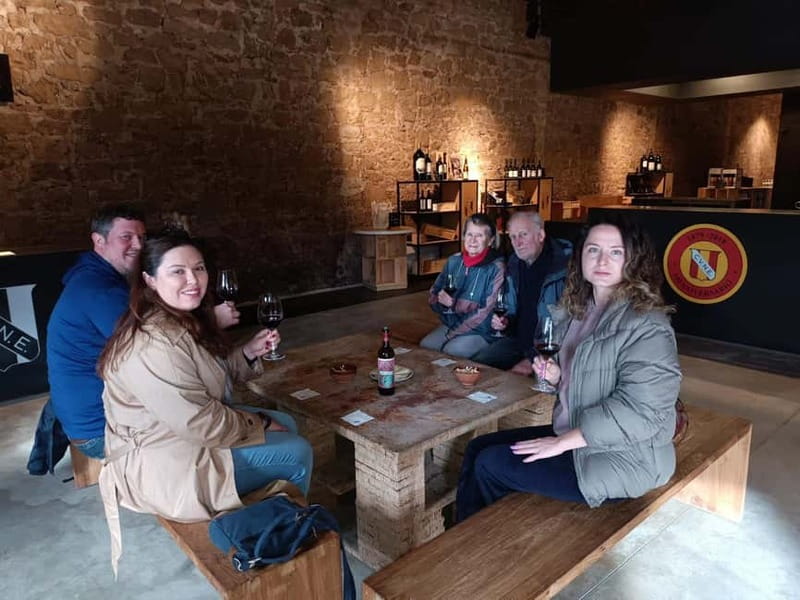
In Laguardia, you get the second tasting experience, but the format aims for a different kind of intimacy. You’ll start a guided visit to a small traditional winery, then you’ll learn about the wine-making process from a more personal perspective.
This is the part that tends to win people over because it feels less like a scripted production line and more like a hands-on understanding of how wine moves from grapes to bottle. You may hear explanations that connect fermentation, aging, and what ends up in the glass.
Some tasting formats here can be especially memorable. One described approach includes comparisons tied to stages like fermentation and pre-bottling, so you can taste the idea of change rather than only tasting the final result. Even if your exact tasting flow differs, the goal is the same: give you a clearer sense of what Rioja style means in real time.
The visit includes a tasting of two wines. Two wines is often a smarter number than a long flight when you’re learning. With fewer samples, you’ll notice differences in a more meaningful way, and the guide can connect those differences back to process and tradition.
There’s also time to buy bottles if you want souvenirs from the day. If you like Rioja, buying directly after tasting with context usually leads to better choices. You’re not guessing later at which bottle you meant to love.




Elciego and Marqués de Riscal: modern architecture on the return trip
On the way back to Bilbao, the tour passes through Elciego. This stop is a visual one: you get to discover the Marqués de Riscal building, famous for its modern architecture and its symbolic connection to La Rioja.
This part is short by design. It’s a nice contrast to medieval streets and underground cellars. For many travelers, it becomes the “photo stop” that breaks up the final stretch of bus time.
If you’re the kind of person who wants lots of time at every stop, just know this is more about seeing the building than spending hours exploring. Still, it’s a fun punctuation mark for a day built on contrasts: classic wine culture plus striking modern design.
Timing and logistics: how the 9-hour schedule feels on your body
The tour runs about nine hours. That’s normal for a day trip from Bilbao to La Rioja, but the impact matters. You’re on a bus for multiple stretches, and you’re walking in two towns plus moving through winery areas.
For you, the best planning move is to treat the day like a small active outing:
- wear comfortable shoes you can stand in
- bring a light jacket even if you think it’s warm
- plan for rain since the schedule runs rain or shine
The meeting point is simple: a bus stop at the tourism office next to the Guggenheim Museum. Hotel pickup isn’t included, so you’ll want to arrive early enough to find your group without stress.
Food timing is another factor. Lunch isn’t included, but there is free time in Laguardia for lunch. Use that window to eat somewhere close so you don’t lose time wandering for a perfect spot that you can’t find quickly.
Also, note that this tour is not recommended for people with limited mobility, which is important if you need step-free routes or frequent seating.
Wine tastings: what you learn, what to expect, and how to shop smart
Rioja tastings can be a lot of fun, but they can also turn into blur if you don’t know what to listen for. This tour helps because the guide ties the wine to the elaboration process and gives you structure.
With two wineries, you get two different lenses:
- CVNE in Haro gives you the centenary, emblematic view of Rioja and the big-picture process.
- Laguardia’s traditional winery gives you a smaller-scale, more human perspective on how wine is made and how it changes.
Tasting length is substantial: Haro’s portion includes guided tour and tasting, and Laguardia’s cellar visit includes two wine tastings. That gives you time to ask questions, compare notes, and decide what you actually like.
When it comes to buying bottles, you’ll get the best results by choosing one or two you can explain to yourself. Ask the guide what style it is, what it typically pairs with, and how it fits the Rioja tradition you learned that day. Then buy based on your own taste, not because a bottle looks pretty.
If you want variety for a dinner party back home, consider buying:
- one bottle you liked most at the big-name stop
- one bottle from the traditional cellar stop that matches the style you want to explore further
And if you’re worried about not liking wine, don’t. Rioja can be diverse, and tasting with process knowledge usually makes your preferences clearer fast.
Who this tour suits best (and who should choose another plan)
This is a great match if you:
- want two towns (Haro and Laguardia) plus two tasting experiences
- enjoy guided walking and learning how wine connects to place
- want a full-day Rioja taste without planning a logistics puzzle
- like value: for the price, you’re getting transportation, guide time, and multiple guided wine moments
It may be a weaker fit if you:
- need lots of quiet time at fewer stops
- have limited mobility or difficulty with walking
- only want a vineyard visit and nothing else (this includes towns and a modern architecture photo stop)
It also helps if you like a day that stays active. The schedule is designed to keep moving, and that works best when you’re comfortable with a busy itinerary.
Should you book this Rioja wineries day trip from Bilbao?
If you want a structured day that mixes wine education with real towns, I’d book it. The tour’s strength is that it pairs guided tastings with walkable, recognizable places in Haro and Laguardia, then adds a memorable modern stop in Elciego. It’s the kind of day trip that makes Rioja feel understandable, not intimidating.
If you hate tight schedules, need step-free access, or prefer to linger with no bus timetable pressure, you’ll probably feel rushed. In that case, consider a different Rioja format with fewer stops or more free time.
For most visitors, this is smart value: you pay for guide-led wine context, guided walking, and transportation in one package, and you leave with both stories and bottles to match.
FAQ
Where is the meeting point in Bilbao?
You meet at the bus stop located at the tourism office next to the Guggenheim Museum.
How long does the tour last?
The tour duration is listed as 9 hours.
What wineries and towns do we visit?
You visit Haro (with a guided winery tour and wine tasting), then Laguardia (guided walk and a traditional winery cellar visit with two wine tastings). On the way back, you pass through Elciego to see the Marqués de Riscal building.
Is lunch included?
No. Lunch isn’t included, but there is free time for lunch in Laguardia.
What’s included in the price?
Included are pickup and drop-off at the meeting point in Bilbao, transportation, a guide, the centenary winery visit in Haro with wine tasting, and the Laguardia winery cellar tour with two wine tastings.
What languages is the tour guide available in?
The tour is available in English and Spanish.
Does the tour run rain or shine?
Yes. The tour will take place rain or shine.
Is hotel pickup included?
No hotel pickup is included. The tour includes pickup and drop-off at the meeting point in Bilbao.
Is the tour suitable for people with mobility impairments?
No. It’s not recommended for people with limited mobility.