REVIEW · BILBAO
Bilbao: Gaztelugatxe, Bermeo, Mundaka, Gernika, & Wine Tour
Book on GetYourGuide →Operated by BUENDIA TOURS · Bookable on GetYourGuide
Dragonstone vibes start fast from Bilbao. This Basque day trip packs San Juan de Gaztelugatxe and its cliff views with small-town walking, Basque history, and a real txakoli finish. The guide-led stops help you get more out of each place than a bus-and-photos-only day.
I love the way the schedule balances big sights with genuine time on the ground. You get a guided visit up at Gaztelugatxe, plus walkable breaks in Bermeo and Mundaka, then a focused history stop in Gernika.
The main thing to consider is effort. You’re doing a moderate amount of walking, including climbing up to the chapel via a stone bridge and 241 steps, and it can be tiring if you’re not used to hills.
In This Review
- Key highlights I’d circle first
- From Bilbao to Dragonstone: Why This Day Feels Special
- Gaztelugatxe’s 241 Steps: What to Expect and How to Prepare
- Bermeo: A Real Guided Walk Along Biscay’s Coast
- Mundaka: Seafaring Town, Surfer Energy, and Lunch Freedom
- Gernika: Where Basque History Becomes Tangible
- Berroja Winery and Txakoli Tasting: A Taste of the Coast’s Rhythm
- Price and Value: Is $48 a Fair Deal for This Much Ground?
- Logistics That Can Make or Break Your Day
- Who Should Book This Tour, and Who Might Not?
- Should You Book This Bilbao to Txakoli Day Trip?
- FAQ
- What is the tour duration?
- Where do I meet the guide in Bilbao?
- Is Gaztelugatxe entry included?
- How much walking is involved?
- Is food included?
- What language is the live guide?
- Is the txakoli tasting included?
- Is this tour wheelchair accessible?
- Can I cancel and get a refund?
Key highlights I’d circle first
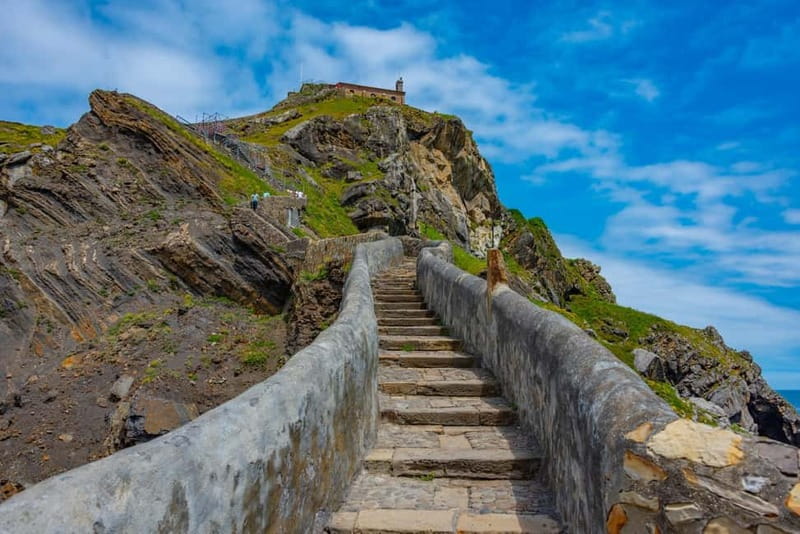
- San Juan de Gaztelugatxe: the Game of Thrones–famous chapel, sea cliffs, and guided access
- 241 steps plus a stone bridge: plan for sturdy shoes and a slow steady pace
- Bermeo, Mundaka, Gernika with a local guide: you’ll hear the stories behind the streets
- Free time in Mundaka: enough space to grab lunch on your own (seafood is a safe bet)
- Txakoli at Bodega Berroja: a classic Basque drink and a great final viewpoint
From Bilbao to Dragonstone: Why This Day Feels Special
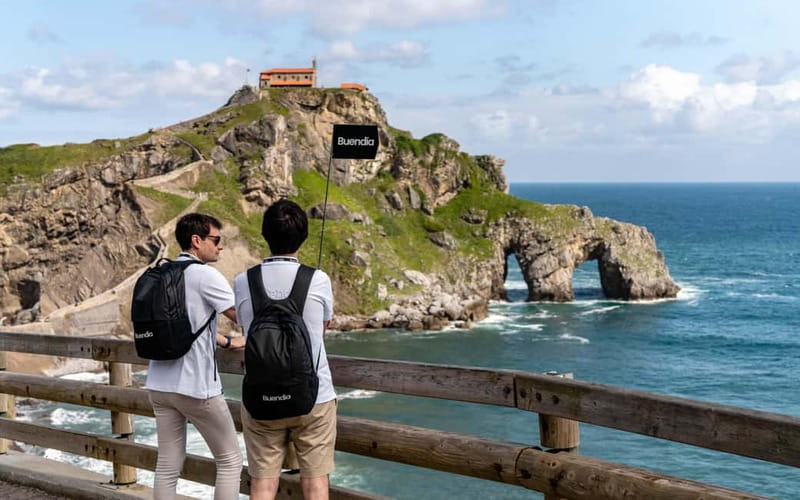
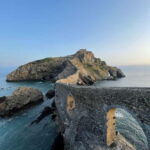
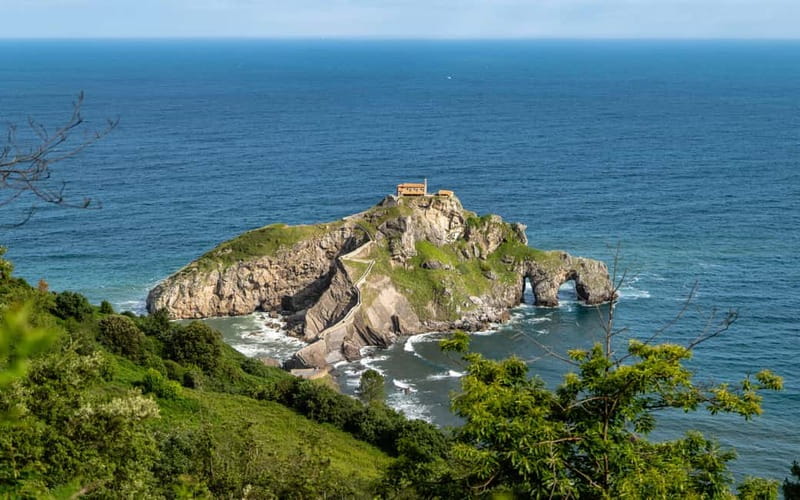
This is one of those day trips where you start in a city and end in the kind of Basque scenery people talk about for years. Bilbao is your launch point, and then the bus starts swinging you toward the Cantabrian coast. The payoff is immediate: San Juan de Gaztelugatxe looks like a postcard that got edited for extra drama.
The best part is that it’s not just a photo stop. You get a guided visit up to the chapel and time to soak in the views. And because the guide explains what you’re seeing, the place makes more sense: the chapel’s role, the coastal setting, and why it’s so culturally important beyond the TV connection.
It also helps that the day includes stops like Bermeo and Gernika, which give you the Basque story behind the scenery. Some guides you’ll meet on these departures (for example, Pedro, Danny, Aitor, Aman, and Stefan) are clearly the type who keep a group moving while still telling good stories, not just reciting facts.
You can also read our reviews of more wine tours in Bilbao



Gaztelugatxe’s 241 Steps: What to Expect and How to Prepare
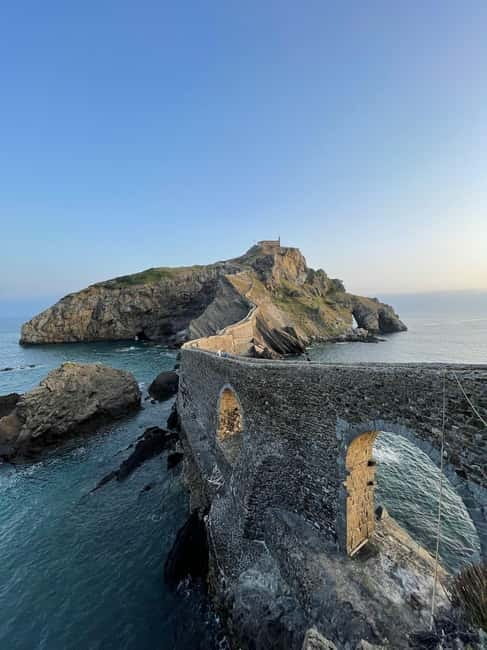
Gaztelugatxe is the headline, and it demands respect. To reach the hermitage area, you cross a stone bridge and then climb 241 steps. You can’t brute-force this one in flip-flops and hope for the best. This is where good planning matters more than anything else.
What I like about this format is that it’s structured. You’re not wandering around alone trying to figure out the route while the group waits. The tour includes access to the chapel and a guided tour there, so you’re not just doing a vertical workout with a camera.
Your practical prep checklist
- Wear comfortable shoes with grip. Sneakers or hiking shoes are ideal.
- Bring layers. Sea wind can change fast even when the sun is out.
- Pace yourself. The steps are the hardest part of the day.
- If it’s hot, start early in your head. You’re climbing before the day’s fatigue catches up.
One thing to know: an access permit is required, but the tour provides it. That matters because you don’t have to scramble last-minute for paperwork. Still, be ready for the reality that Gaztelugatxe is popular and the timing on the ground is tight.
Also, manage expectations about energy. Even with a guide, you may feel it in your legs after the climb. One review summed it up: Dragonstone is worth it, but it can drain you if you go in too fast or it’s very hot.
Bermeo: A Real Guided Walk Along Biscay’s Coast
After Gaztelugatxe, the bus keeps moving along the Basque coast. Then you reach Bermeo, where you switch from cliff drama to maritime town atmosphere.
This stop is built around a walking tour with a local guide, with enough time to look around beyond the first viewpoints. Bermeo’s appeal for me is that it feels lived-in. It’s not just a scenic backdrop. You get context for the town’s past through the guide’s storytelling, and then you can wander with that understanding in mind.
The time here is short, but it’s not random. A guided walking structure helps you avoid the common trap on day trips: seeing the “pretty bits” but missing what makes the place tick.
If you’re the type who likes to understand how coastal towns worked—fishing, trade, community rhythm—this is a strong stop. If you prefer pure free time over guided explanation, you’ll still get a decent amount of walking and sight-seeing, but the guide will be steering the narrative.
Mundaka: Seafaring Town, Surfer Energy, and Lunch Freedom
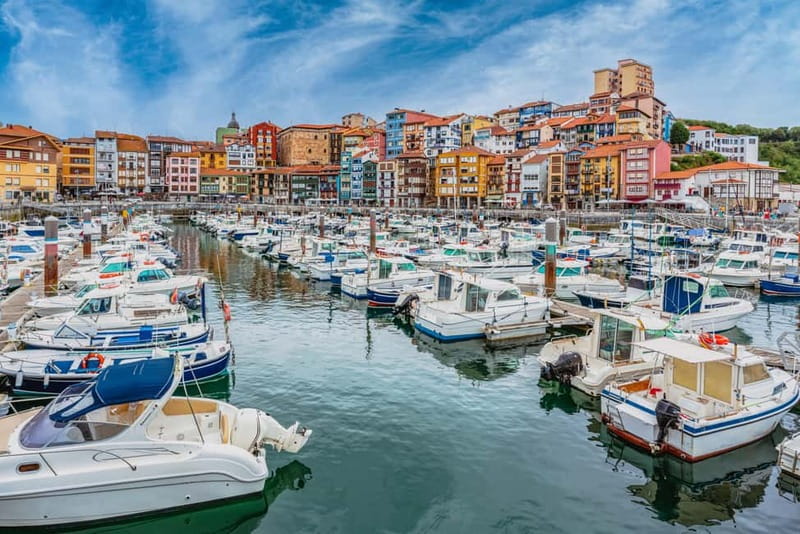
Next up is Mundaka, often associated with surfing and wide coastal views. What works well here is that you get both direction and breathing room.
You have a guided tour for the overview, then free time to explore and, importantly, to handle lunch your way. The day’s pacing gives you about enough time to sit down and eat without feeling rushed. And since the area is known for seafood, this is where you can go hunting for something local rather than falling back on a default tourist sandwich.
One consideration: if you personally don’t care much about Mundaka’s surfer-coast vibe, you may find this part of the day less compelling than the others. A small number of people felt the itinerary could drop one of the three village stops, with Mundaka the usual candidate. That’s not a flaw in Mundaka itself—just a reminder that your preferences affect how you experience the schedule.
Still, the stop is valuable because it breaks up the history-heavy moments with a more relaxed, coastal-town feel.
Gernika: Where Basque History Becomes Tangible
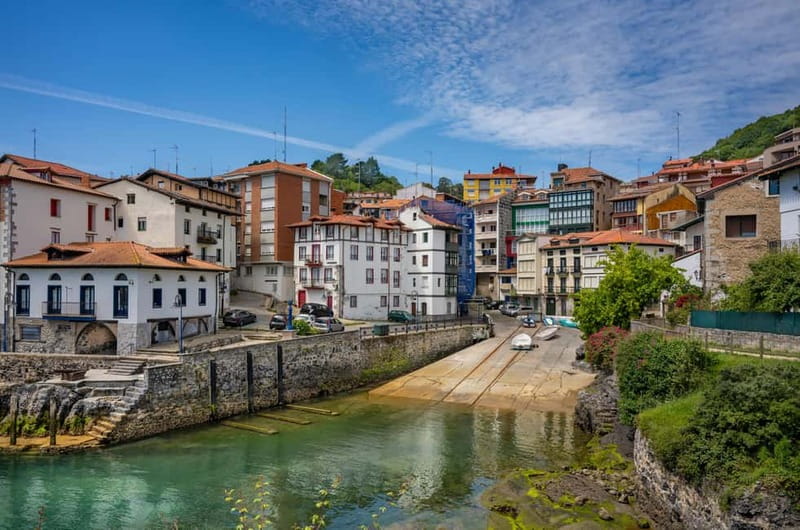
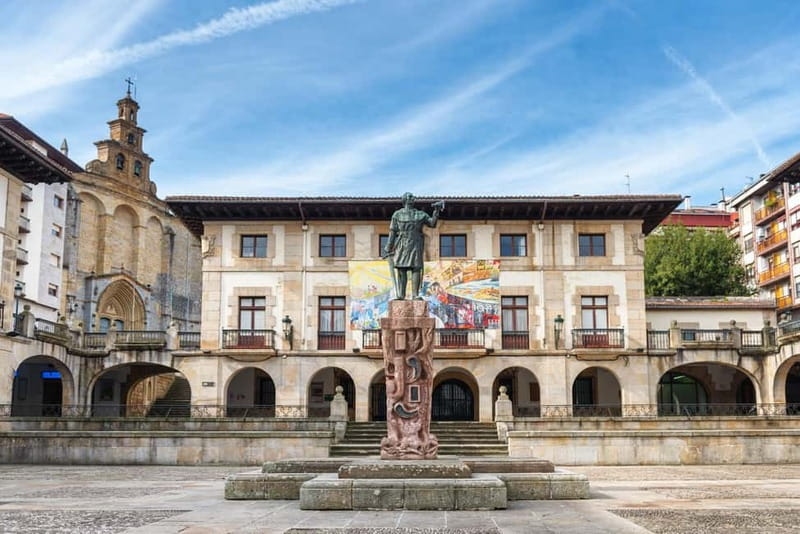
Then the mood shifts, and you arrive at Gernika. This is one of the most important history stops in the Basque Country, and this tour handles it with the right level of focus.
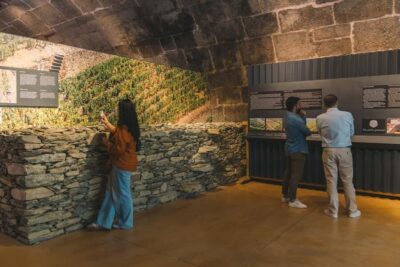
You’ll walk around the town with a guided visit and see key markers tied to the impact of the bombing: the air-raid shelters, the Guernica Tree, and a mural reproduction of Picasso’s famous imagery.
What makes this stop hit is the way the guide connects physical places to memory. It’s not just “here’s what happened.” You’re standing in a town where history is still part of the public space. The protected elements like the shelters and the symbolic tree make the story feel real, not textbook.
If you enjoy history, this is one of the strongest moments of the day. If you don’t, you still come away with a clearer sense of why Gernika matters, because it’s hard to look at these sites and remain emotionally neutral.

Berroja Winery and Txakoli Tasting: A Taste of the Coast’s Rhythm
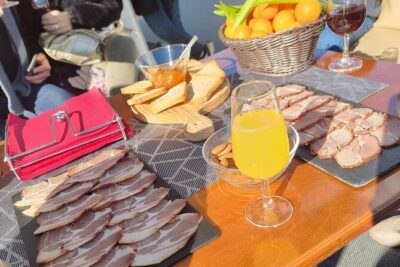
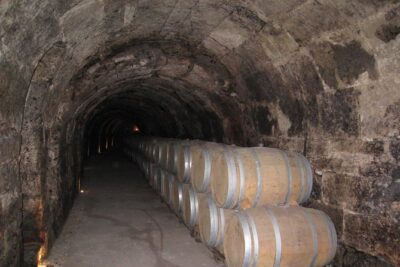
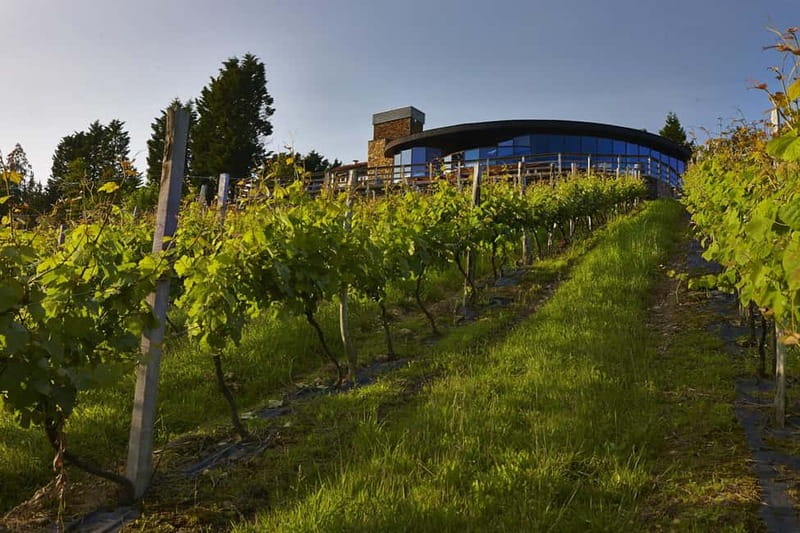
The day ends with txakoli at Bodega Berroja. Txakoli is one of those Basque products that feels instantly local once you try it. It’s light and typical of the region’s coastal identity, and tasting it at the end gives the whole day a satisfying finish.
This tour includes tasting and sampling of txakoli, and the setting is part of the reason it works as a closer. You’re not stuck in a bland tasting room. The viewpoint can be stunning, and it helps you decompress after the steps and walking.
One honest caution if you’re not a wine drinker: you’re still in a group tasting environment, and a review noted it wasn’t their favorite part because they don’t drink. Also, one person mentioned the tasting area could be noisy. That doesn’t mean it ruins the experience, but it’s useful context if you prefer quiet, slow tastings.
For most people, though, this final stop is exactly the kind of cultural payoff that makes a day trip feel worth it. You get a Basque flavor, plus a scenic capstone.
Price and Value: Is $48 a Fair Deal for This Much Ground?
At around $48 per person, this tour is priced like a bargain compared with what it costs to rent a car plus parking plus fuel on a day when you’re bouncing between multiple towns.
Here’s the value math that matters:
- You’re getting roundtrip transportation from Bilbao.
- You’re paying for local guides across multiple stops (not just one “tour leader on wheels”).
- You get chapel access at Gaztelugatxe plus the guided visit there.
- You get txakoli tasting and sampling at the end.
And the big hidden value is time. Without a car, you’d still have to plan public transport connections and deal with timing mismatches. A scheduled bus day may feel strict, but the structure is what makes it workable.
Most reviews reflect that you see a lot for the money, with enough free time in places like Mundaka. The itinerary is tight, yes, but the stops are thoughtfully chosen: one major scenic icon, two coastal towns, one history anchor, and one local tasting finish.
Logistics That Can Make or Break Your Day
This tour runs about 10 hours, and the schedule is built for momentum. That’s a positive if you like organized sightseeing. It’s less fun if you hate being on a timeline.
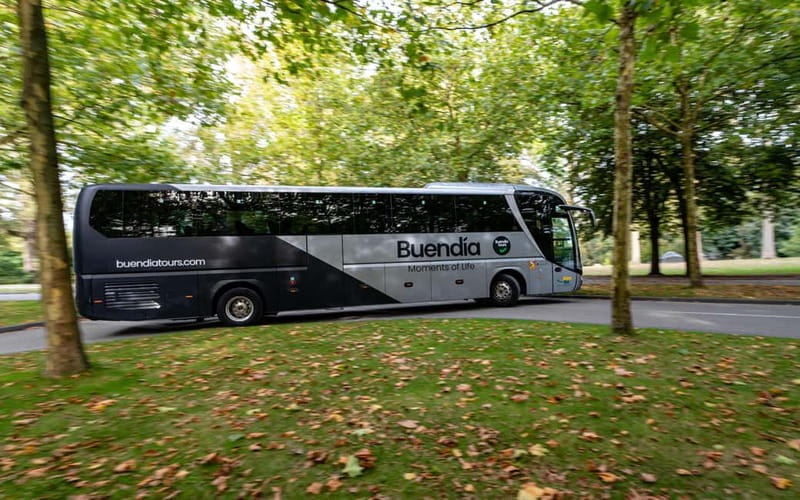
Your meeting point matters. You meet next to the Puppy sculpture in front of the Guggenheim Museum. The provider’s guide holds a Buendía Tours logo. Show up early, because the guide can’t wait for latecomers.
What to bring is simple and practical:
- ID card or passport
- Comfortable shoes
- Anything you need for photos and sun (you’ll be exposed at the coast and on the steps)
One more tip: if your Gaztelugatxe time slot shifts, the tour order can vary slightly depending on the assigned timing. That’s normal for these routes, so don’t panic if the day doesn’t match a mental picture perfectly.
Who Should Book This Tour, and Who Might Not?
You’ll likely love this tour if:
- You want scenic Basque icons without renting a car.
- You like history, but you also want a day that includes nature and food/drink.
- You don’t mind walking and climbing, as long as you wear proper shoes.
- You enjoy having a guide explain what you’re seeing (guides like Pedro, Danny, Aitor, Aman, and Stefan are repeatedly praised for keeping the group together and making stories easy to follow).
You might think twice if:
- You struggle with stairs or long uphill walking. Even though the tour is described as moderate overall, Gaztelugatxe is the hard part.
- You want lots of long free afternoons in one place. This day is designed to cover several distinct stops rather than linger.
On a real-world note: one review mentioned the guides helping someone with knee issues by making sure they were not left behind. That’s good to know, but it doesn’t change the fact that the tour is not suitable for wheelchair users.
Should You Book This Bilbao to Txakoli Day Trip?
If you’re basing yourself in Bilbao and want one strong day that captures coastline drama, Basque identity, and a real local tasting, I think this is a smart booking. The value is solid for the price, and the guided components make the stops more meaningful than a self-guided sprint.
Book it if you’re ready for the practical side: comfortable shoes, patience with a tight schedule, and the reality that 241 steps will take your breath for a moment. If that sounds like too much, consider a calmer alternative.
FAQ
What is the tour duration?
The tour runs about 10 hours.
Where do I meet the guide in Bilbao?
Meet next to the Puppy sculpture in front of the Guggenheim Museum, looking for the guide holding the Buendía Tours logo.
Is Gaztelugatxe entry included?
Yes. The tour includes access to San Juan de Gaztelugatxe’s chapel, and the required access permit is provided with this activity.
How much walking is involved?
There is a moderate amount of walking, including climbing up to Gaztelugatxe via a stone bridge and 241 steps. Comfortable, grippy shoes are a must.
Is food included?
No. Food and drinks are not included, though there is free time in Mundaka where you can have lunch on your own.
What language is the live guide?
The tour offers a live guide in Spanish and English.
Is the txakoli tasting included?
Yes. You’ll have tasting and sampling of txakoli at the end of the day.
Is this tour wheelchair accessible?
No. It is not suitable for wheelchair users.
Can I cancel and get a refund?
Yes. The tour lists free cancellation up to 24 hours in advance for a full refund.