REVIEW · CAGLIARI
Cagliari: Private Food and Wine Tasting Experience
Book on GetYourGuide →Operated by BinuShop · Bookable on GetYourGuide
Sardinia tastes better in small shops. I like the family-run feel at Enoteca & Bottega BinuShop and the blue-zone angle on the food that helps people live longer, and you get a well-structured pairing without feeling rushed. One consideration: at $54.66 for about two hours, it’s not a budget snack stop, so go in hungry and ready to learn.
I also like that the experience is built around real production and real culture, not just a list of flavors. You’ll taste seasonal goodies—think baked items, extra virgin olive oil, and land-and-sea specialties—paired with two types of local wine. In the reviews, guides like Francesca and Alessandro are specifically praised for turning the tasting into a story you can actually remember.
Practical note: start by parking at the I Mulini shopping mall and heading to the Enoteca & Bottega Binushop store to check in. It ends right back at the meeting point, so plan your next stop nearby rather than far across town. The tour is wheelchair accessible, and it’s offered in English, Italian, and Spanish.
In This Review
- Key things to know before you go
- Why Sardinia’s longevity theme actually helps you taste
- Starting at Enoteca & Bottega BinuShop: the easiest kind of meeting point
- What you’ll taste: Sardinian bites that show up in real daily life
- The wine pairing: two glasses, one clear purpose
- The culture lesson: millenary history plus producer craft
- How long is it, and does the pace feel rushed?
- Price and value: what $54.66 buys you
- Who should book this Cagliari tasting?
- Practical tips so you get the most from those two hours
- Should you book BinuShop’s private food and wine tasting?
- FAQ
- FAQ
- Where do I meet for the Cagliari food and wine tasting?
- How long is the tasting experience?
- What’s included in the experience?
- What languages are available?
- Is the tour wheelchair accessible?
- Are children allowed?
- What should I do if I have food intolerances?
Key things to know before you go
- Blue-zone food story: You’ll connect Sardinian habits and ingredients to longevity and daily quality of life.
- Seasonal tasting lineup: Expect different tastes depending on what’s available, from baked goods to olive oil.
- Two local wine glasses: You’ll pair wine with both cheese and regional snacks.
- Family shop atmosphere: Many people mention it feels like visiting a local producer, not a factory tasting room.
- Francesca or Alessandro-led sessions: Reviews highlight these guides for clear explanations and warm hosting.
- Focus over quantity: It’s a tight 2-hour experience—great for tasting, not for a full dinner.
Why Sardinia’s longevity theme actually helps you taste
This isn’t a generic wine-and-cheese sweep. The big idea is the so-called food of longevity—the kind of eating pattern that Sardinia is famous for, tied to the island being one of the blue zones with unusually high numbers of centenarians.
Here’s what I think makes that theme useful for you: it changes how you pay attention. Instead of just asking, Was that good? you start asking, Why does this pairing make sense here? Extra virgin olive oil, simple staples, and traditional preparations tend to show up for a reason. Even if you don’t treat the topic like a health lecture, it makes the tasting feel grounded in everyday Sardinian life.
You’ll also hear about millenary history and culture, including how producers make what they make. That matters because many “local food tours” stop at flavor descriptions. This one aims at the how and why behind the flavors—artisanal production techniques and the background of the people who produce them.
You can also read our reviews of more food & drink experiences in Cagliari
Starting at Enoteca & Bottega BinuShop: the easiest kind of meeting point
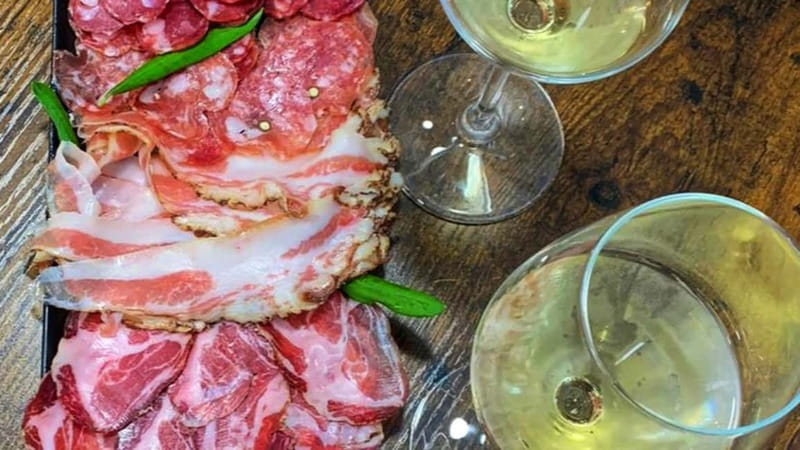
Your experience starts at Enoteca & Bottega BinuShop. The instruction is straightforward: park at the I Mulini shopping mall parking lot, then head to the shop to check in.
That’s a win for real travel days. You don’t need to play guessing games in a maze of old streets, and you don’t need special knowledge of where to stand. One more practical plus: guests say the place is easy to reach by bus or car, which is exactly what you want in a short, scheduled tasting.
Because the activity loops back to the same meeting point, you also get clean planning. If you want dinner after, choose something nearby so you’re not budgeting energy for transit.
What you’ll taste: Sardinian bites that show up in real daily life
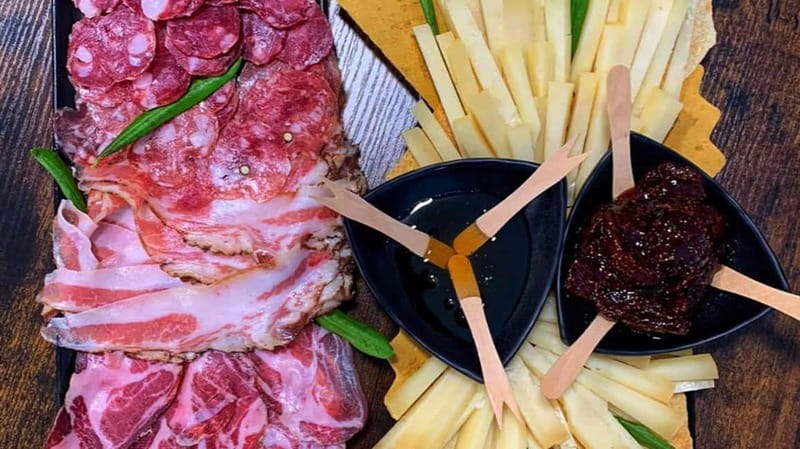
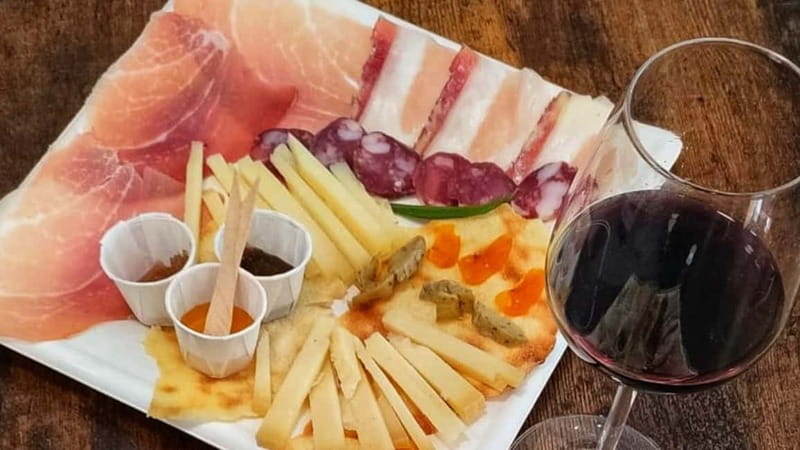
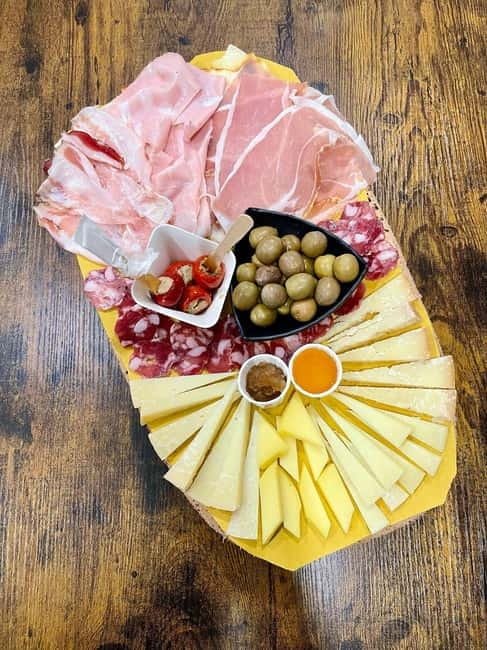
The tasting is built around artisanal delicacies that connect to seasonal availability. That means your lineup can shift a bit, but the categories are consistent: baked goods, extra virgin olive oil, and regional specialties from both land and sea.
Here’s how I’d interpret the structure for your benefit:
- Baked goods help you understand the island’s comfort food base first. When bread or baked items are part of a tasting, they set the stage for everything else.
- Extra virgin olive oil is more than an ingredient here. In Sardinia, it’s often treated as a core product, so tasting it early helps you notice texture, aroma, and freshness before you move into stronger flavors.
- Land and sea specialties are the variety engine. You get the meaty, savory side of the island, then contrast it with seafood-related tastes—useful if you’re unsure what Sardinian cuisine leans toward.
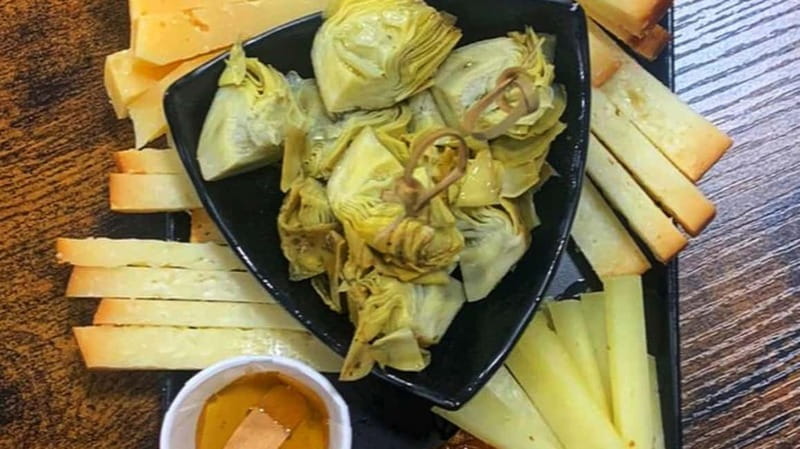
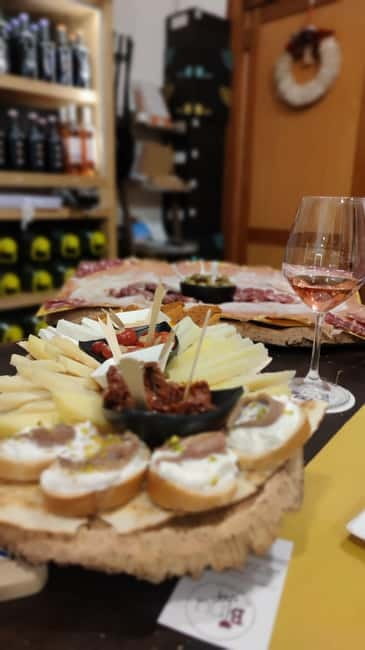
There’s also cheese and local snacks in the mix. If you’re the type who wants to learn by doing, cheese is a smart tool: you can compare how fats and salinity react with wine. It turns the pairing into a mini lesson you can feel, not just hear.
Finally, the experience includes the angle of tasting the “food of longevity.” I’d treat that as a lens, not a slogan. It’s there to connect ingredients and habits to a real reputation Sardinia has for long-lived communities.
The wine pairing: two glasses, one clear purpose
You’ll drink two glasses of different types of local wines, paired with the food. That’s a good amount for a 2-hour experience: enough to learn the shape of local wine styles without turning the evening into a blur.
In the reviews, people mention the pairing being a highlight, with good ingredients and careful pairing choices. You’ll also likely get guidance on how to taste beyond the basics. The guide talks about production techniques and culture, so wine becomes part of the island’s story rather than just alcohol with a label.
One note from feedback: some guests mentioned a red such as Nor Sulcito. The important word there is might. The data here guarantees two local wine glasses, but it doesn’t list exact bottles. Still, it’s a helpful sign that the shop may serve wines that aren’t just the most obvious tourist picks.
My practical advice: sip, then pause. Let the wine sit for a moment before you take another bite. If you can, ask the guide which food element the wine is trying to complement—cheese fat, olive oil freshness, or a specific land-and-sea saltiness. That kind of question turns a tasting from passive sampling into learning.
The culture lesson: millenary history plus producer craft
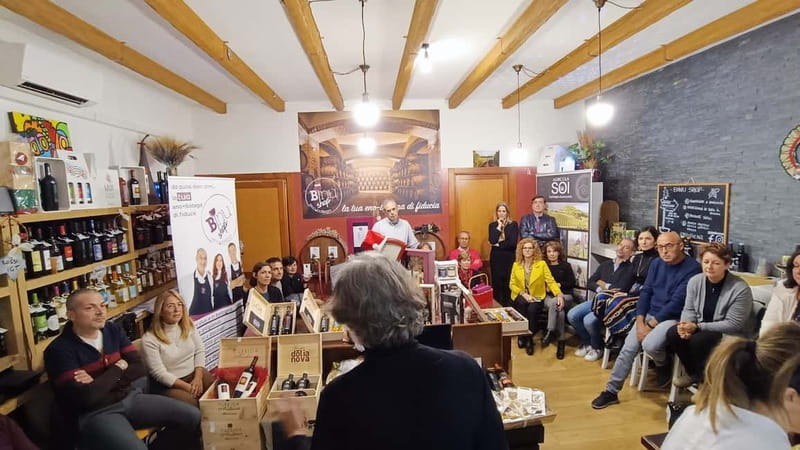
This tasting includes historical and cultural insights, with an emphasis on artisanal production techniques and the producers behind the products. In other words, you’re not only tasting; you’re hearing how these foods are made and why they mattered (and still matter) to the region.
Why that’s valuable for you: Sardinia can feel distinct from mainland Italy. If you’re trying to connect the dots—why olive oil is treated like a pillar, why certain ingredients recur, why people still eat a certain way—this kind of explanation helps you decode the island.
The best part is that the cultural thread doesn’t float around aimlessly. It connects to what you’re putting on your plate and what you’re about to buy, if you choose to. Reviewers specifically praise guides like Francesca for recommending places in Cagliari, and praise hosts for warm, personal conversations with visitors. That’s often where a food shop experience beats a large, scripted tour.


How long is it, and does the pace feel rushed?
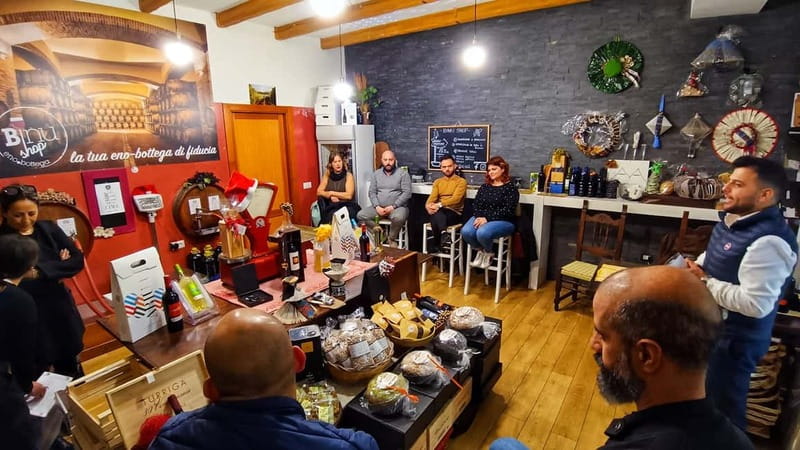
It runs for about 2 hours, with starting times available. In this kind of format, pacing matters. Too short and it feels like a snack. Too long and it turns into one long eating session.
Here’s what you can expect in a realistic way: it’s paced to let you move through several tastings—baked goods and olive oil, cheese and local snacks, then land-and-sea specialties—while still fitting in two wine glasses and a guide-led story.
Based on the strong feedback scores, the vibe seems intentionally controlled: people describe it as fun and informative, not chaotic. One reviewer even noted the timing as well-paced, which usually means you won’t spend half the time waiting for plates to arrive.
So if your ideal Cagliari day is “one great experience, then freedom,” this works well. If you’re looking for a long meal where the main event is sitting down to dinner, this probably won’t replace that. Think tasting and learning first.
Price and value: what $54.66 buys you
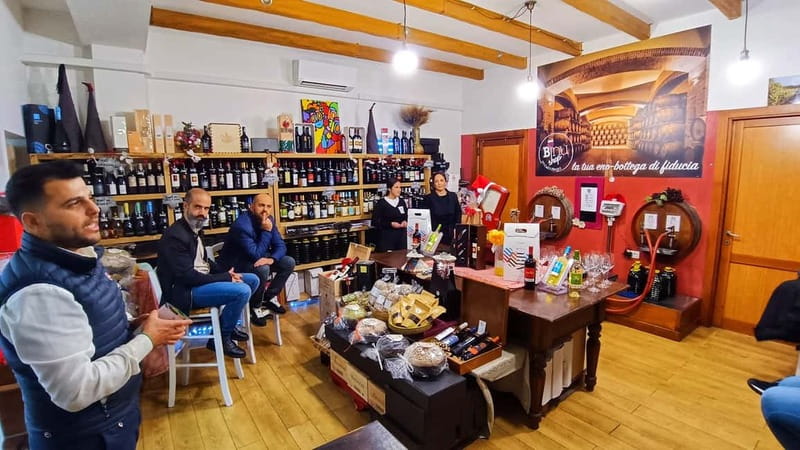
The listed price is $54.66 per person for a 2-hour private food and wine tasting (starting times vary). Is it worth it? Here’s the honest way to judge value using only what’s included.
You’re paying for:
- Food and wine tasting (multiple tastings, not a single bite-and-go)
- A guide
- Historical and cultural insights
- Two glasses of local wine
- Plus the shop setting where you can learn from people producing and selling the items
What pushes it toward good value is that you’re not just buying access to taste. You’re buying a guided framework that explains the producers, techniques, and why the island is linked to longevity food. That’s harder to recreate on your own, especially if you want to understand what you’re eating quickly.
What might make it feel pricey is also clear: it’s still two hours. If you want a big volume of food, or if you’re expecting a full dinner experience, you may feel the price more sharply. One review called it very expensive while still saying it was nice and informative—so your takeaway should be this: it’s best for people who value guidance and pairing, not only quantity.
Who should book this Cagliari tasting?
This is a strong match if you:
- Like wine pairings and want a guide to help you understand what you’re tasting
- Want a shortcut into Sardinian food culture without cramming it into a full-day plan
- Enjoy family-run shop atmospheres and conversations where you can ask questions
- Are interested in the blue zone / food of longevity angle as a story tied to real eating
It’s also a good pick for people who want something easy to fit into a day of exploring Cagliari. The meeting point is simple, the time is short, and you’re back where you started.
It’s not a great fit if:
- You’re expecting an hours-long restaurant-style meal
- You need a kid-friendly outing; the tour notes it’s not allowed for unaccompanied minors
- You want a “see a bunch of places” day—this is centered on the shop and tasting experience
Practical tips so you get the most from those two hours
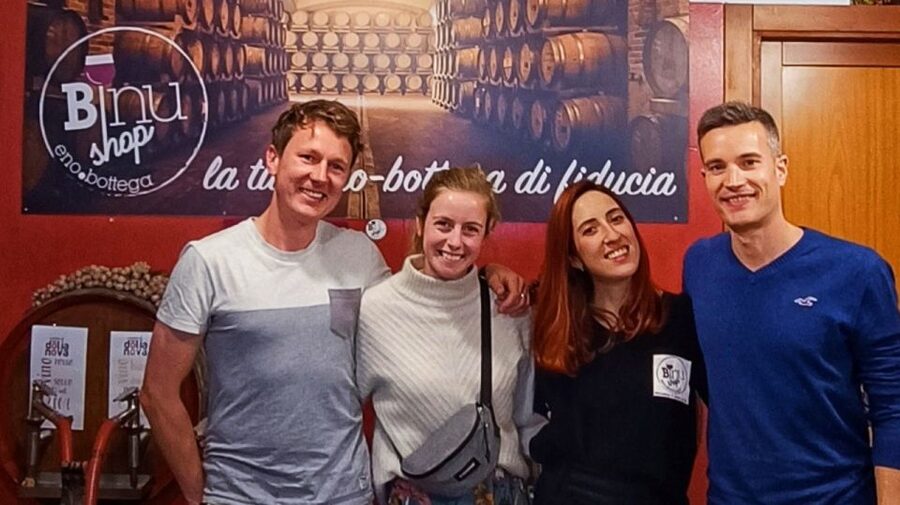
A few things will make your visit smoother:
1) Come ready to taste. This is not a light snack session. Even though it’s only 2 hours, you’ll likely try multiple bites plus cheese and wine.
2) Ask about the seasonality. The experience says delicacies are linked to the season. If you’re visiting at a specific time of year, ask what’s current. It helps you connect what you’re eating with local production.
3) Handle intolerances the right way. Food intolerances must be emailed right after confirming your reservation, and only requests received via email are considered. Don’t rely on last-minute talk on the day—it’s better to get it in writing early.
4) Plan your transport. Reviews suggest it’s reachable by bus or car, and at least one guest mentioned help with a ride home when taxis were hard to find. Still, assume you’ll arrange your own transport and treat any extra help as a bonus.
5) If you’re not sure how to “taste wine,” you’re not alone. Use the simplest method: smell first, then sip, then take one bite. Ask the guide what pairing goal they’re aiming for—cheese fat, olive oil freshness, or something land/sea related.
Should you book BinuShop’s private food and wine tasting?
If your trip to Cagliari includes wine, traditional Sardinian food, and a desire to understand the island’s why—not just the what—then yes, this is a book-worthy stop. The strongest part is the blend of food pairing, two local wine glasses, and guide-led context about artisanal production and the food of longevity story tied to Sardinia’s blue-zone reputation.
I’d pass only if you’re on a strict budget or you want a long sit-down meal with lots of variety across multiple venues. For a focused, high-quality taste-and-learn evening near I Mulini, this is exactly the kind of experience that makes Cagliari feel local.
FAQ
FAQ
Where do I meet for the Cagliari food and wine tasting?
You meet at the I Mulini shopping mall parking lot, then head to the Enoteca & Bottega Binushop store to check in. The experience ends back at the meeting point.
How long is the tasting experience?
It lasts about 2 hours. Starting times depend on availability.
What’s included in the experience?
You’ll get a guided food and wine tasting with historical and cultural insights. The tasting includes regional food, cheese, local snacks, and two glasses of different local wines.
What languages are available?
The live tour guide is available in English, Italian, and Spanish.
Is the tour wheelchair accessible?
Yes, the experience is wheelchair accessible.
Are children allowed?
Unaccompanied minors are not allowed.
What should I do if I have food intolerances?
You must notify the provider immediately after confirming your reservation, and only intolerance requests sent via email are taken into account.