A Busan trail, then rice wine in the hills. This hike-and-taste experience takes you up Geumjeongsan with local guide Hug You (호규), ending in a mountain-side village meal with Makgeolli and banchan. I like how it feels more social than scripted, and you get real mountain viewpoints without treating the day like a checklist.
For me, the best part is the combination: walking enough to feel outside, then relaxing with rice wine and side dishes in a place most visitors never find. The main consideration is fitness: the route is considered relatively easy for frequent hikers, moderately challenging for most others, and difficult if you rarely hike—though there’s a lighter plan for rain.
In This Review
- Key things I’d focus on before you book
- Why this Busan hike-and-taste day feels different
- Meeting at Oncheonjang: getting out of the city fast
- Geumjeongsan on foot: distance, difficulty, and viewpoint payoff
- How hard is it?
- What you actually do on the trail
- Photos and the best looking time
- The mountain village meal: Makgeolli, banchan, and the social payoff
- Why Makgeolli here feels special
- You might catch a bonus: makgeolli process look
- How the conversation changes at lunch
- Price and value: is $50 worth it in Busan terms?
- What to pack so the hike stays fun (not miserable)
- Rain plan and pacing: how to get the day that fits you
- The nearby hot spring idea after you’re back
- Should you book this Busan hiking and Makgeolli tour?
- FAQ
- Where is the meeting point for the tour?
- How long is the tour and how much walking is involved?
- What hike area do we visit?
- What’s included for food and drinks?
- What languages are offered?
- What should I wear or bring?
Key things I’d focus on before you book
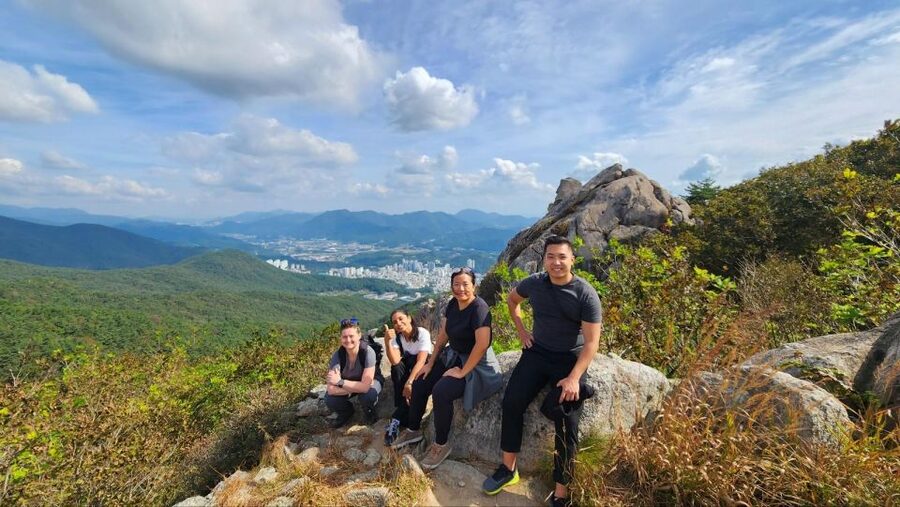
- Small group (up to 10) means less waiting and more conversation with the guide and the people on your hike.
- Geumjeongsan + peak viewpoints gives you wide Busan views, not just “some walking.”
- Makgeolli + banchan in a mountain village turns the meal into the payoff.
- 8–9 km with 2.5–3 hours of walking is a real hike, not an easy stroll.
- Rain-day lighter hike option helps you avoid canceling your plans when the weather turns.
- You’ll be guided in places with little signposting so you’re not stuck guessing your way up.
Why this Busan hike-and-taste day feels different
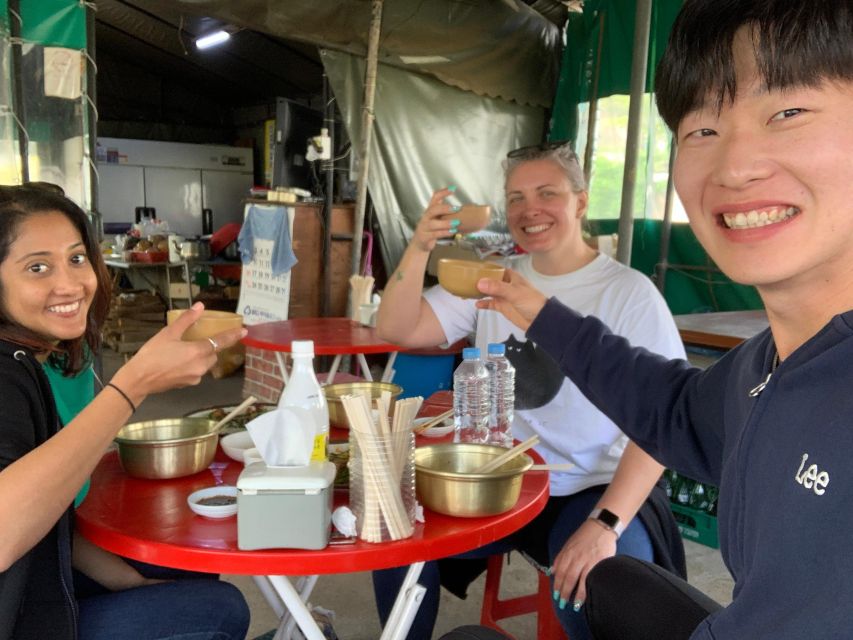
Busan can look like a beach-and-soup kind of city from a distance. But Busan also has these steep mountain corridors close to town, where you can trade crowds for trail air in a couple hours. This tour is built for that switch.
You start near Oncheonjang Station and head up to hike Geumjeongsan with Hug You (호규), then you descend to a village hidden on the mountain. The tour isn’t trying to cram in “major attractions.” It’s more about pacing, viewpoints, and a proper meal afterward.
Two things make it work well for most people:
- You do the walking first, so the lunch and Makgeolli taste earned, not purchased.
- You’re with a small group where talking with the guide (and each other) feels normal, not forced.
The day also has a friendly, human rhythm. Several participants mentioned that the guide kept the group feeling comfortable, adjusting pace when needed and stopping for photos. That matters because the trail isn’t always perfectly signposted, and having someone who knows where to stand for the best views keeps the day from turning into guesswork.
You can also read our reviews of more food & drink experiences in Busan
Meeting at Oncheonjang: getting out of the city fast
You meet at Oncheonjang Subway Station (Orange Line), Exit No. 3. That’s a good choice because it’s simple: you don’t need a complicated transfer chain to get started.
Once you gather, you take a bus/coach up the mountainside for about 15 minutes. The ride is short, and it gets you close enough to start hiking without burning half your day in transit. If you ever hike independently, one review notes a one-way bus cost of around 2,100 won, which gives you a rough sense of how easy it is to get into the mountain area on your own—but on this tour, you don’t need to figure out the route.
This part is also where the tour’s tone sets. You’re not just jumping on a trail and disappearing into the woods. Your guide uses the early time to orient you—what to expect, where you’ll go, and how the hike will be paced.
Geumjeongsan on foot: distance, difficulty, and viewpoint payoff
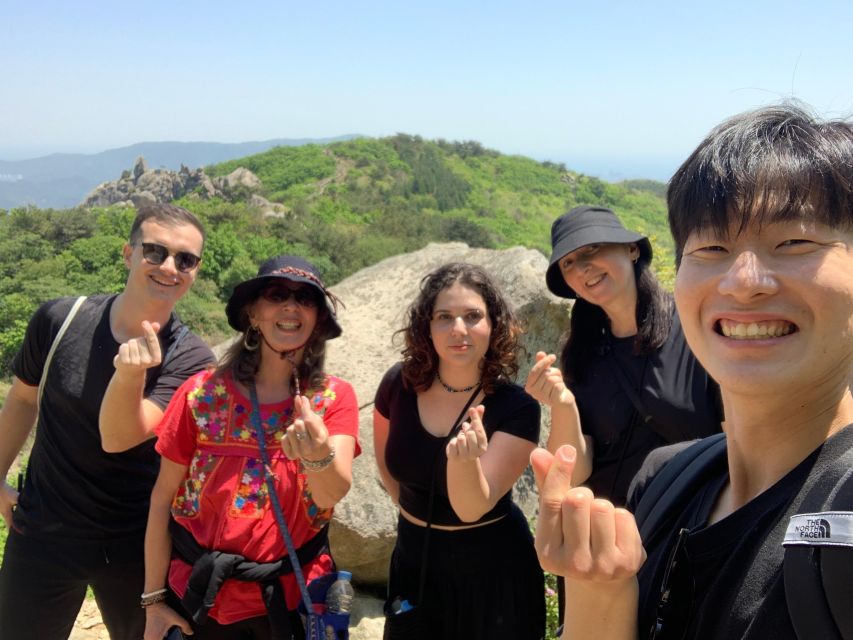
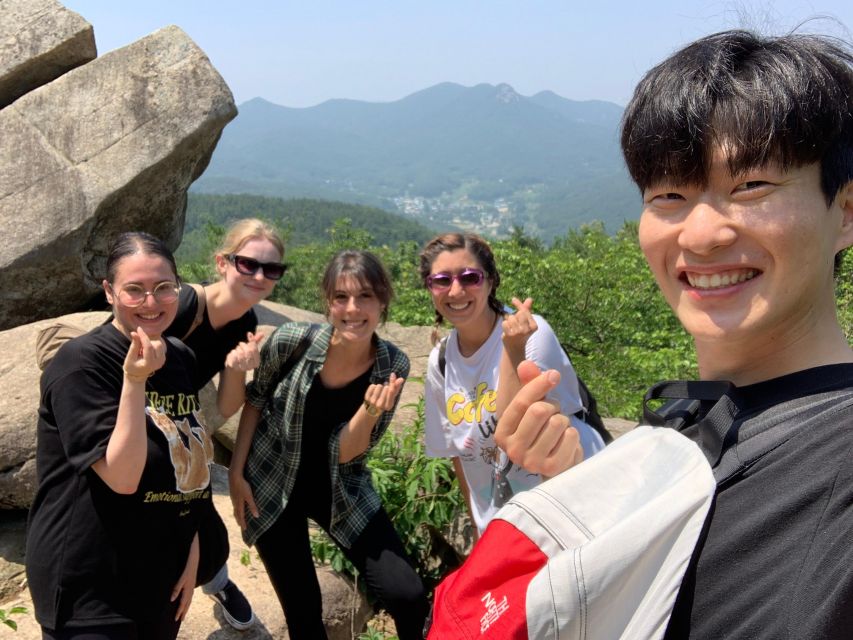
The hike is the core of the experience. Expect roughly 2.5–3 hours of walking and about 8–9 km total, with a route that climbs to one of the peaks and then comes back down toward the mountain village.
How hard is it?
The difficulty depends on your hiking comfort:
- If you hike often, it’s considered relatively easy.
- If you don’t hike much, it’s moderately challenging.
- If you rarely hike, it’s difficult.
That range is realistic. Even if the climb doesn’t look extreme on a map, your legs will feel the effort once the path starts going up consistently. Reviews repeatedly mention that tough stretches exist, but that the viewpoints make it worth it.
What you actually do on the trail
Most of your time is spent hiking up to a peak area (about 1.5 hours of climbing time). On the way, you get guided stops that help you connect what you’re seeing to the broader Korea-and-Busan story your guide shares.
A few extra details from participants help paint the picture:
- One group started off going through the East gate of a fortress wall before continuing on.
- Another person specifically mentioned Uisangbong Peak as part of the hike route.
So the exact peak or “first notable viewpoint” may vary by day. The good news is the tour is designed so you still end up at major viewpoint spots where the effort lands.
Photos and the best looking time
This isn’t a “just walk and hope” hike. Your guide will help you with photo stops and picking spots with better sightlines. That’s a small thing, but it’s a big deal in mountains where trees, angles, and wind can change what your photos end up looking like.
If you’re worried about sweating or heat, one review notes that on a hot summer day the trail was mostly shaded, which can make a surprising difference to how manageable it feels.
The mountain village meal: Makgeolli, banchan, and the social payoff
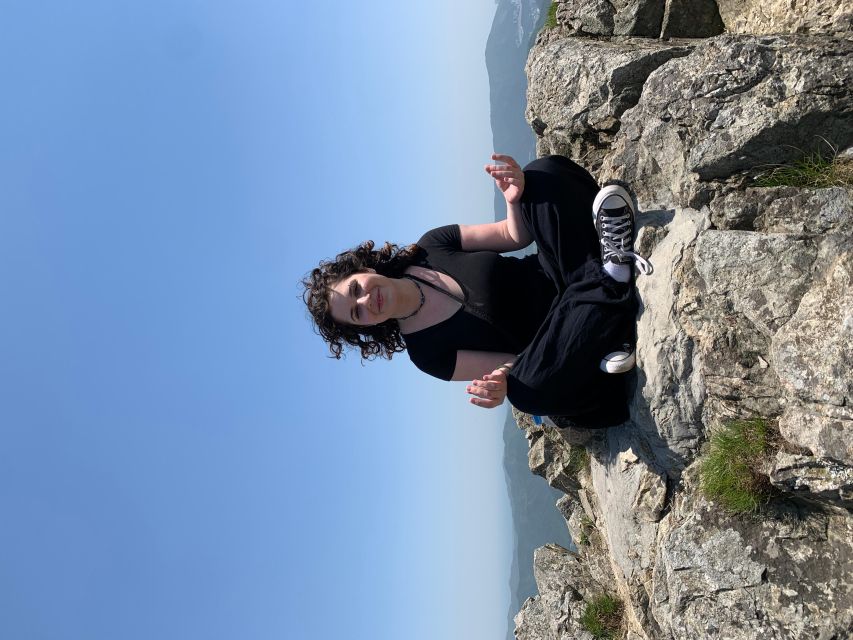
After you hike up and down (about 30 minutes coming back toward the village), you get to the part that makes people remember this tour: lunch in a mountain-side spot where you can slow down.
You’ll have a light lunch plus the Makgeolli tasting, along with side dishes called banchan. In plain terms: it’s a comfort-food reset after your legs do their job.
Why Makgeolli here feels special
Makgeolli is a Korean rice wine, usually served slightly cloudy and often with a gentle sweetness. What makes it more than a drink on this tour is the setting. You’re not tasting it in a restaurant dining room. You’re tasting it after a hike where the mountain air is still in your clothes.
Several reviews call out that the lunch felt local and authentic, not touristy. People also mention that the food was more than a snack—more like a satisfying meal. One participant even highlighted tofu as a standout item in the village food spread.
You might catch a bonus: makgeolli process look
One review adds a useful “heads up” that can happen on certain days: on weekdays, and sometimes by request, the group may get to see the makgeolli-making process. In that same story, the group even met the owner by chance.
That detail isn’t guaranteed every day, but it’s a good reason to ask your guide if there’s any extra option that fits the schedule.
How the conversation changes at lunch
This is where the tour’s social side really shows up. On the trail, you mostly focus on footing and pace. At lunch, you’re sitting together and talking—about hiking, daily life in Korea, and whatever history or nature topics your guide picked up during the walk.
It’s also an easier environment for solo travelers. One review mentions that solo visitors appreciated the chance to talk with locals through the guide, rather than spending the whole trip in their own bubble.
Price and value: is $50 worth it in Busan terms?
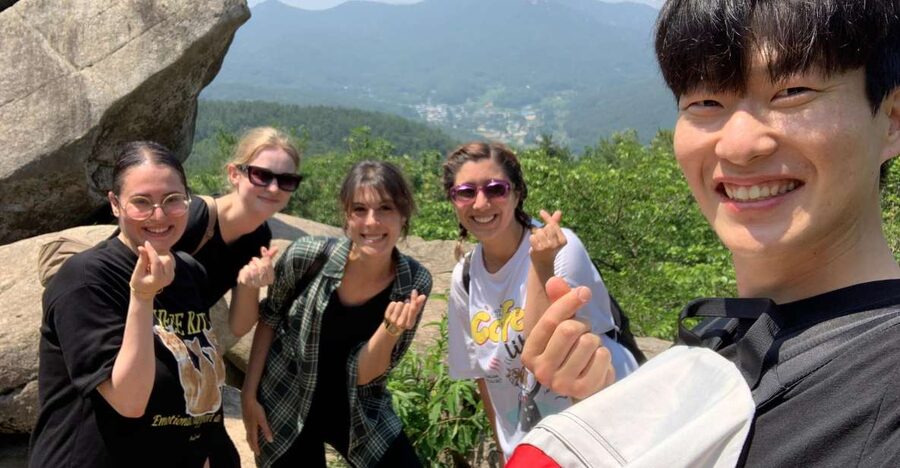
At $50 per person for about 4 hours, you might wonder if that’s pricey. Here’s the value math that matters:
You’re paying for:
- A guided hike (and someone to keep the group together and safe)
- Transportation up and back by bus/coach
- Lunch plus Makgeolli and banchan included
- A small group (up to 10), which usually means better pacing and more attention than large tours
If you tried to piece this together on your own, you’d still need transit, figuring out the hiking route (and dealing with weak signposting), then finding a proper mountain meal. Paying for a guide is what turns a “possible” hike into a “smooth and enjoyable” hike.
And because the meal is included, you avoid the common trap where you buy a hike ticket and then end up paying separately for food and drinks later. Here, the wine is part of the point, not an add-on.
What to pack so the hike stays fun (not miserable)
This tour makes it clear: wear comfortable shoes. I’d treat it as non-negotiable. Mountain ground can be uneven, and you’ll want traction.
Also listen to the trail-smart clothing advice from participants:
- Wear long pants or leggings. One person specifically warned about insects and thorny plants.
- Consider insect repellent, especially if you tend to get bitten easily.
- Bring a layer. Even on warm days, mountains can cool off quickly once you’re walking in shade.
If you’re the kind of person who gets cold easily in restaurants, you might also want a light top for the meal portion. Not because the village is described as cold, but because after active hiking your body can change temperature fast.
And don’t forget the simple stuff: water, and maybe a small snack if you’re someone who gets hungry on climbs. The tour includes light lunch, but hikes can hit people differently depending on their pace.
Rain plan and pacing: how to get the day that fits you
Weather is always a wild card in mountains. The good part is that there’s an alternative lighter hike plan if it rains, so you’re not left staring at a canceled day.
Pacing is another big deal here. The tour notes that you can ask for a slower pace or a more personalized experience through a private tour option. Even within the group setting, multiple reviews describe the guide checking in and keeping everyone comfortable.
If you’re worried about being too slow on the climb, plan to say so early. Your best day isn’t the one where you suffer silently. It’s the one where you can enjoy the views without feeling rushed.
The nearby hot spring idea after you’re back
After the hike and return to Oncheonjang Station, you can keep the theme going. The tour recommends trying a hot spring nearby, which makes a lot of sense after 8–9 km of hiking.
This is the kind of add-on that pairs well with Busan. You get to be outside for a few hours, then melt back into the city life with warmth and recovery.
Should you book this Busan hiking and Makgeolli tour?
Book it if you want:
- A real hike with a clear end payoff (viewpoints, then a meal)
- A chance to drink Makgeolli in a mountain village setting, with banchan
- A small-group day that’s more social and less about racing from one stop to the next
Skip it if:
- You’re looking for a fully easy, low-effort walk
- You hate hikes with stairs/uneven paths and don’t want to think about shoes or long pants
If you fall in the middle—like most people—this is an excellent pick because the tour is built around manageable time on the trail and a satisfying ending. Tell Hug You (호규) your comfort level with hiking, wear the right pants and shoes, and you’ll end the day with mountain views plus a bottle’s worth of memories, even if you only take a small pour of Makgeolli.
FAQ
Where is the meeting point for the tour?
The meeting point is Oncheonjang Subway Station (Orange Line), Exit No. 3.
How long is the tour and how much walking is involved?
The tour runs about 270 minutes (around 4 hours), with 2.5–3 hours of total walking and roughly 8–9 km on foot.
What hike area do we visit?
You hike in the Geumjeongsan area, aiming for one of the peaks, then you hike back down toward the mountain village.
What’s included for food and drinks?
Lunch and Makgeolli are included, along with banchan side dishes.
What languages are offered?
The live guide offers English and Korean.
What should I wear or bring?
Wear comfortable shoes. It’s also recommended to bring long pants or leggings for comfort on the trail.