REVIEW · ATHENS
Athens: Classic Cooking Class with Market Visit and Wine
Book on Viator →Operated by The Greek Kitchen · Bookable on Viator
Greek food clicks fast when you make it. This Athens experience pairs a Central Market visit with a practical, hands-on cooking session at The Greek Kitchen, plus recipes you can actually use later. You’ll cook classics like tzatziki, spanakopita, and dolmades, then sit down to eat your work with local wine.
I especially love how the class turns cooking into a set of repeatable steps, not just a show. You also get the full “from ingredients to finished plate” experience, starting with a short walk through the market and ending with a family-style meal.
One thing to plan around: there’s no hotel pickup, and the meeting spot involves stairs plus walking in the market area, so comfortable shoes and sun protection really matter.
In This Review
- Key Highlights You’ll Feel Immediately
- Central Market Athens: A 30-Minute Walk That Sets Up Dinner
- The Greek Kitchen Cooking Room: Hands-On, Not a Spectator Sport
- The Menu You’ll Make: From Tzatziki to Portokalopita
- Tzatziki: Cool, Garlicky, and Cucumber-Forward
- Spanakopita: Phyllo, Spinach, Feta, and Herbs
- Dolmades: Vine Leaves Rolled with Rice and Beef
- Imam Baidi (Stuffed/roasted eggplant with sauce and feta)
- Portokalopita: Orange and Cinnamon Syrup in a Pie-That’s-Also-a-Cake
- Wine and the Meal Together: What the 4 Hours Really Adds Up To
- Recipes You Can Use: Turning Athens Into a Repeatable Dinner at Home
- Price and Logistics: Is $83.44 a Good Deal for Athens?
- Who This Athens Cooking Class Fits Best
- Should You Book The Greek Kitchen Cooking Class?
- FAQ
- How long is the Athens cooking class?
- What’s included with the class?
- Do I need hotel pickup?
- What dishes will we cook?
- Is wine included?
- Can I cancel and get a refund?
Key Highlights You’ll Feel Immediately
- Central Market Athens walk (about 30 minutes) to learn how Greeks shop, not just what to buy
- Hands-on cooking with a Greek home cook, so you do real prep work, not watch
- A full menu built for timing: tzatziki, spanakopita, dolmades, roasted eggplant with sauce and feta, and orange syrup pie
- Bread and olives plus market snacks to keep you fueled during the cooking rush
- 250ml locally produced red or white wine paired with the meal
- Recipes provided for what you made, so your effort doesn’t vanish after the class
Central Market Athens: A 30-Minute Walk That Sets Up Dinner
The experience starts near Athinas 36. After a quick warm-up with your group, you head out for a short stroll through Athens Central Market. It’s not a long detour. It’s just enough time to get your bearings and understand how ingredients look and behave in real Greek cooking.
You’ll walk about 30 minutes as part of the market visit. That means you should come ready for sun and pavement. Good shoes help more than you’d think, especially because the class location is up two short flights of stairs to begin with.
What I like about starting with the market is that it makes the cooking feel logical. Instead of guessing which cucumber to use for tzatziki or how phyllo is treated before it hits the pan, you see the ingredients first and learn what matters. One review also pointed out the role of honey in Greek dishes, which is exactly the kind of detail that sticks once you’ve seen the food supply chain up close.
You can also read our reviews of more shopping tours in Athens

The Greek Kitchen Cooking Room: Hands-On, Not a Spectator Sport
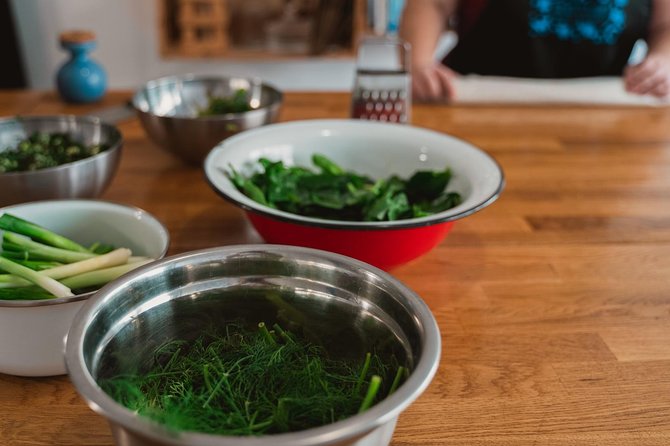
Back at The Greek Kitchen, the mood shifts from street to stove. This is a hands-on class led by Greek home cooks, with a teaching style that keeps you moving. The group is capped at 16 travelers, which is small enough for you to participate rather than wait your turn all evening.
The class is set up so you can take part in prep and hands-on cooking across multiple dishes. In past sessions, instructors like Vasia, Thanassius (spelled as Thanos in one account), and Adoniya/Antonia have been praised for mixing humor with clear directions. The consistent theme: you get told what to do and then you do it.
Expect a family-style flow. People cook, the meal finishes, and everyone eats together. That shared table is half the fun. It also makes the time feel shorter. Four hours goes by quickly when you’re chopping, rolling, assembling, and sampling.
One practical consideration: the pace can feel quick because the menu includes several dishes. If you prefer slow, step-by-step lessons with lots of pauses, this might feel a bit like a sprint. But if you like movement and results, you’ll probably love it.
The Menu You’ll Make: From Tzatziki to Portokalopita
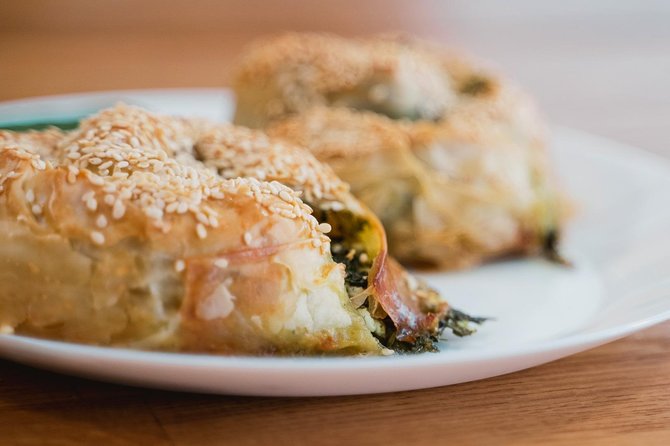
This class doesn’t stick to one appetizer and call it a day. You’re guided through a full lineup that covers cold, savory, baked, and syrupy-sweet.
Tzatziki: Cool, Garlicky, and Cucumber-Forward
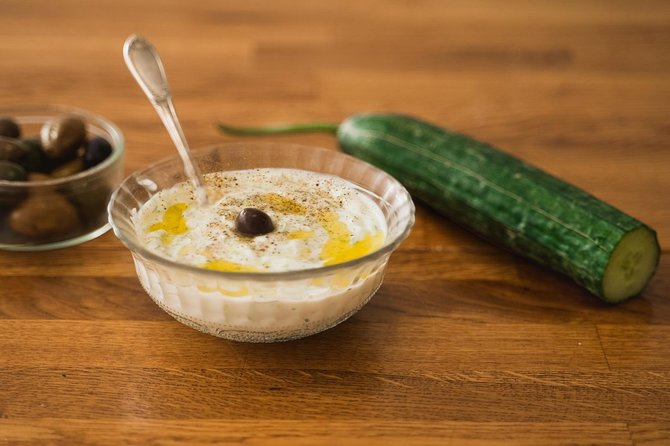
You’ll make tzatziki, a thick Greek yogurt dip with fresh cucumber and garlic. The point here isn’t just taste. It’s technique: getting the texture right so it’s creamy, not watery. If you’ve ever made yogurt dips at home that turned out runny, this is the skill you’re there for.
Spanakopita: Phyllo, Spinach, Feta, and Herbs
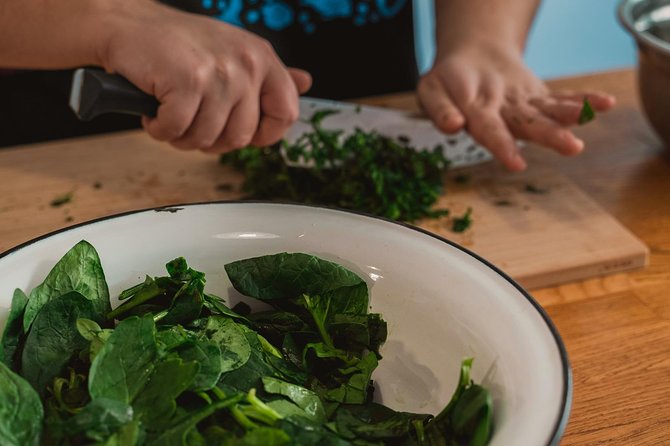
Next is spanakopita, the phyllo pie that shows up everywhere in Greece for good reason. You’ll work with coils or layers of phyllo dough filled with spinach, feta, and herbs.
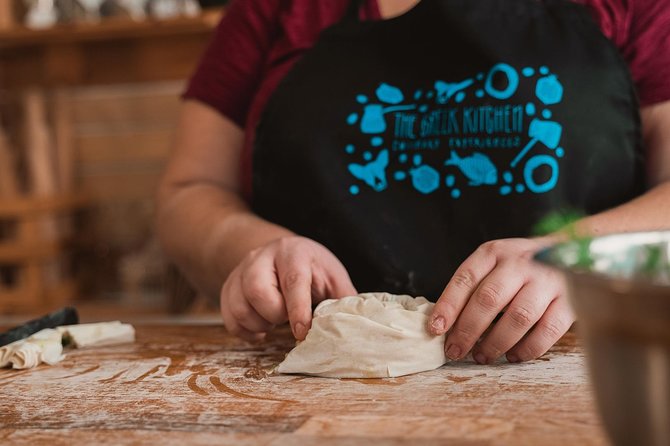
Phyllo has a reputation for being tricky because it’s delicate. Here, the class helps you handle it in a way that makes sense within the time limit. You’ll leave with a recipe you can follow when you want to try it again, even if it’s your first time with phyllo.





Dolmades: Vine Leaves Rolled with Rice and Beef
You’ll also tackle dolmades, rolled vine leaves filled with fragrant rice and beef. The hands-on part is the real lesson: how to roll them so the filling stays inside while they cook.
One nice bonus from experience logs: vegetarian diners have had dolmades adjusted so the meal works for different diets. If that matters to you, it’s worth mentioning in advance when you book, so the class can plan accordingly.
Imam Baidi (Stuffed/roasted eggplant with sauce and feta)
The menu includes Imam Baidi, described as a historical dish that arrived in Greece in the early 20th Century. You’ll top roasted eggplant with sauce and feta.
This is a great dish to learn because eggplant is forgiving if handled right, but it can get bland if you treat it casually. The class approach helps you build flavor using the sauce and toppings instead of relying on guesswork.
Portokalopita: Orange and Cinnamon Syrup in a Pie-That’s-Also-a-Cake
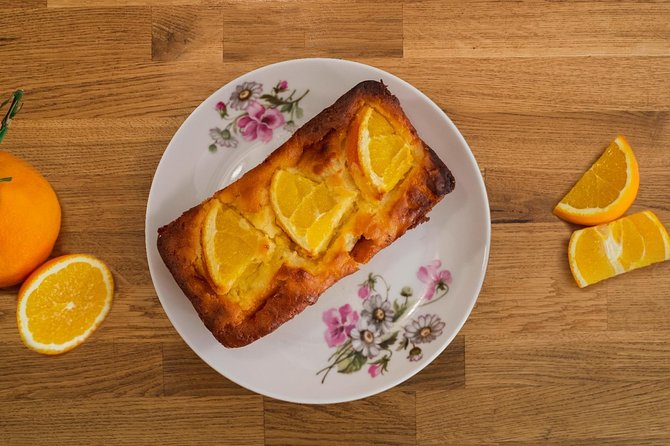
For dessert, you’ll make portokalopita. It’s often called a pie, but in practice it behaves more like a cake: phyllo shreds soaked in orange and cinnamon syrup.
If you’ve only had orange desserts that are dry or overly sweet, this is a good reality check. The syrup gives it structure and aroma, and it’s a perfect finish after a meal heavy in savory herbs and dairy.
Wine and the Meal Together: What the 4 Hours Really Adds Up To
As you cook, you’re not left waiting with hunger. You get bread and olives at every class, plus drinking water and seasonal snacks from the market. These small stops matter because the schedule moves. Snacks keep energy steady so you can focus on doing the work.
When your dishes are ready, you sit down and eat the meal you created. Along with that, you get 250ml of locally produced red or white wine. It’s not a party-fueled quantity. It’s a pairing with dinner, enough to make the meal feel special without turning the class into a blur.
The best part of the shared meal is that you get to compare dishes while they’re still fresh. You’ll taste tzatziki next to spanakopita, and eggplant after vine leaves, which gives you a clearer sense of how these dishes belong together in Greek meals.
Also: there’s a social side. Even when it’s just you and a few new people, the group table makes it easy to chat without forcing it. One solo traveler noted leftovers allowed for a second dinner, which is a smart reminder: if you can wrap things up, you might stretch the value beyond the class time.
Recipes You Can Use: Turning Athens Into a Repeatable Dinner at Home
One reason I’d book a cooking class in a city is simple: I want recipes I can follow at home. This experience includes recipes for the dishes you made. That’s crucial because cooking classes often end with good memories and messy instructions.
Here, the recipe handouts are part of the package, so you don’t need to recreate the steps from memory. That said, recipes are only helpful if you cook something soon. If you return home and wait months, your tzatziki technique will be the first thing to fade.
A practical approach: cook one dish within a week of your trip. Start with something forgiving like tzatziki or spanakopita, then use what you learned about timing and texture to build confidence. With the dolmades and portokalopita, you’ll be grateful you have a written reference.
Some groups also report recipes being available online later, which is useful if you lose the paper copy or want to refresh your measurements.
Price and Logistics: Is $83.44 a Good Deal for Athens?
At $83.44 per person for about 4 hours, this sits in the “worth it if you’ll cook at home” category. The price is less about a fancy meal and more about labor and learning.
You’re getting:
- a market walk (not just the cooking room),
- multiple dishes made during the session,
- bread, olives, water, market snacks,
- and 250ml wine,
- plus recipe sheets you can keep.
That’s why it often feels like better value than tours that only feed you. You’re paying for skill-building and ingredients turned into real results.
Logistics are simple, but not hands-off. There’s no hotel pickup, so you’ll need to get yourself to Athinas 36. The location requires going up two short flights of stairs, and the market portion includes walking. If you’re traveling with heavy luggage or you dislike stairs, factor that in early.
Because the tour is near public transportation, it’s manageable even if you’re not staying in the exact center—just plan your arrival time so you don’t rush your way up those stairs.
Who This Athens Cooking Class Fits Best
This is a great match if you want practical Athens food culture, not just a tasting.
It fits well for:
- First-time visitors who want a “Greek classics” lesson in a short time
- Couples and small groups who like cooking together and sharing the table at the end
- Solo travelers who want a structured way to meet people while cooking
- Food lovers who actually cook at home and want recipes to keep using
It can be less ideal if you dislike group settings or need quiet time. The class is family-style, and it moves with the group. If you prefer a private lesson or slow pacing, you might find the schedule tight.
Diet-wise, there are indications the class can adjust dishes, including vegetarian accommodations in at least one session. If you have specific allergies or strict dietary needs, it’s smart to communicate them when booking so the team can plan what’s possible.
Should You Book The Greek Kitchen Cooking Class?
If your goal is to leave Athens with something you can reproduce, I’d book it. The combination is rare: market context + hands-on cooking + recipes + wine + a full meal you made. That’s the kind of value that pays off again later, when you’re cooking at home and your kitchen starts to feel like Greece.
I’d especially recommend it if you’re excited by these specific foods: tzatziki, spanakopita, dolmades, eggplant with feta, and orange syrup dessert. If you’re even mildly curious, you’ll get a lot of payoff in one afternoon.
Skip it only if stairs and walking stress you out, or if you need a very unhurried class format. Otherwise, this is a fun, social way to learn classic Greek technique without needing special equipment or years of experience.
FAQ
How long is the Athens cooking class?
The experience runs for about 4 hours.
What’s included with the class?
You get a hands-on cooking class, a market visit with a walk, bread and olives, drinking water, seasonal snacks from the market, 250ml of locally produced red or white wine, and recipes for the dishes you made.
Do I need hotel pickup?
No. Hotel pickup and drop-off are not included, so you’ll need to meet at Athinas 36.
What dishes will we cook?
The menu includes tzatziki, spanakopita, dolmades, Imam Baidi (roasted eggplant with sauce and feta), and portokalopita for dessert.
Is wine included?
Yes. The class includes 250ml of locally produced red or white wine.
Can I cancel and get a refund?
Yes. You can cancel for a full refund if you cancel at least 24 hours in advance. Cancellation rules are based on the local start time of the experience.