REVIEW · HOBART
7- 8 Hour StelaVino Guided Wine Tours From Hobart, Tasmania
Book on Viator →Operated by StelaVino Guided Wine Tours · Bookable on Viator
Tasmania’s wine lessons start before the first tasting. This all-day StelaVino tour from Hobart is run by Steliano Cusmiani, and it mixes real wine education with winery visits around southern Tasmania.
I especially like how you get lunch with a glass of wine included, and how the day is built around at least four cellar-door stops with a local wine expert. You’re not just collecting stamps on a tasting map.
One consideration: it’s weather-dependent, and because this is a small operator, illness or conditions can sometimes disrupt the day. If you have tight timing, I’d keep some flexibility.
In This Review
- Quick hits: what makes this Tasmania wine tour tick
- Why Tasmania wine feels different from day one
- Price and what you really get for $132.69
- Getting started in Hobart: meeting point and how the day flows
- Hobart stop: a quick warm-up before the wine stops
- Richmond stop: bridge landmark energy plus a proper lunch
- The oldest continuously used Catholic church stop: why it fits here
- The wine regions: Derwent Valley, Coal River Valley, and Huon Valley
- Cellar-door stops: how to get the most out of tastings
- Steliano Cusmiani’s guide style: the difference between tasting and learning
- The lunch-with-wine setup: good for value, good for pacing
- Practical rules you should plan around (shoe and age rules)
- Group size, minimum numbers, and what that means for your expectations
- Weather and timing: the one thing that can change the plan
- Who this tour is best for (and who might want a different style)
- Should you book StelaVino from Hobart?
- FAQ
- How long is the 7-8 hour StelaVino guided wine tour?
- Where does the tour start and end?
- Does the tour include lunch and wine?
- How much does the tour cost per person?
- Do I need to be over 18 to join?
- Are pickup and mobile tickets available?
- What wine regions does the tour visit?
- How many cellar doors will I visit?
- What happens if weather is bad?
Quick hits: what makes this Tasmania wine tour tick
- Small-group pacing (max 11 people) so you get time to ask questions and slow down at tastings
- Steliano Cusmiani as guide (he focuses on the basics before the first winery)
- Lunch plus a glass of wine included, so you’re not hunting for food between cellar doors
- At least four cellar-door stops across two wine regions near Hobart
- Close-toed shoes required at wineries for safety, not style
- Rich tasting format: sight, smell, and taste are taught as a skill, not a casual sip-and-go
Why Tasmania wine feels different from day one
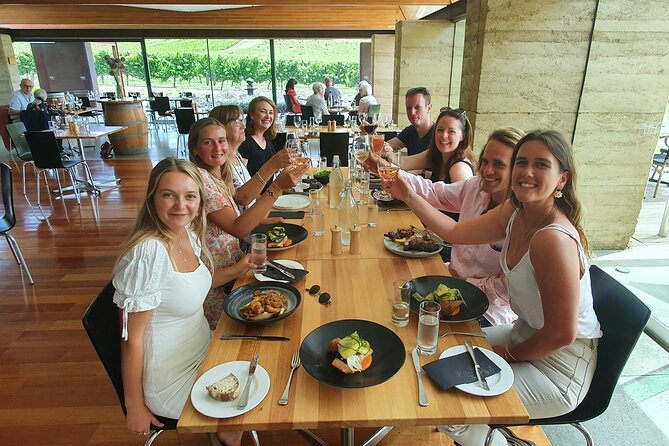
Tasmania wines have a reputation for being crisp, precise, and food-friendly. The big reason you’ll hear is the island’s cool climate and strong seasonal swings, which tend to shape flavors differently than warmer regions.
On this tour, you start learning the “how” of tasting before you’re dropped into the sampling chaos. That matters because once you know what to look for—how wine smells, how acidity feels, how texture shows up—you can actually compare wines during the day instead of just grabbing whatever tastes good in the moment. The result is a smarter, more satisfying tasting rhythm.
You can also read our reviews of more tours and experiences in Hobart.

Price and what you really get for $132.69
At $132.69 per person for about 7 hours 30 minutes, you’re paying for more than transportation. You’re buying:
- A guided day with a local wine expert (Steliano Cusmiani)
- Lunch with a glass of wine included
- A structured route that includes a minimum of four cellar-door stops
- Visits across two wine regions near Hobart, selected from Derwent Valley, Coal River Valley, and Huon Valley
If you’ve ever tried to do cellar doors on your own, you know the hidden costs: you pay for transport, you waste time choosing wineries, and you miss the context that helps wine click. Here, the schedule is built for you, and the tasting framework is part of the deal.
Getting started in Hobart: meeting point and how the day flows
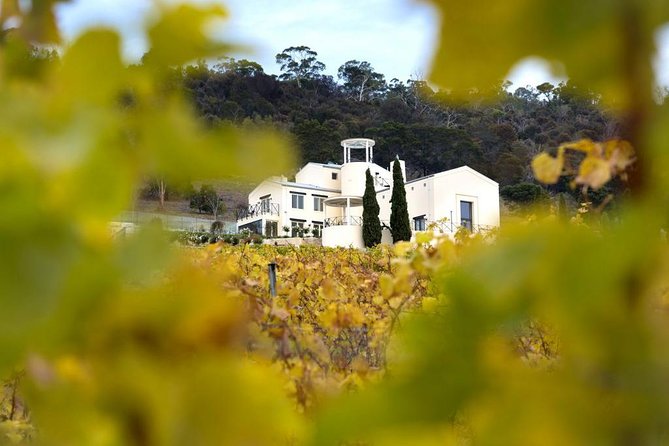
The tour starts at Daci & Daci Bakers, 9–11 Murray St, Hobart (TAS 7000). It returns to the same spot, which is handy if you want an easy plan after the last tasting.
Pickup is offered, which can save you from the “where do I park and will I be late?” stress. And because the meeting point is near public transportation, you have options if you’re not relying on a rental car.
The pacing is intentionally set up like a lesson plan: you begin with a warm-up around Hobart, then move into the countryside. That structure helps you feel less rushed as you head toward vineyards and tastings later in the day.
Hobart stop: a quick warm-up before the wine stops
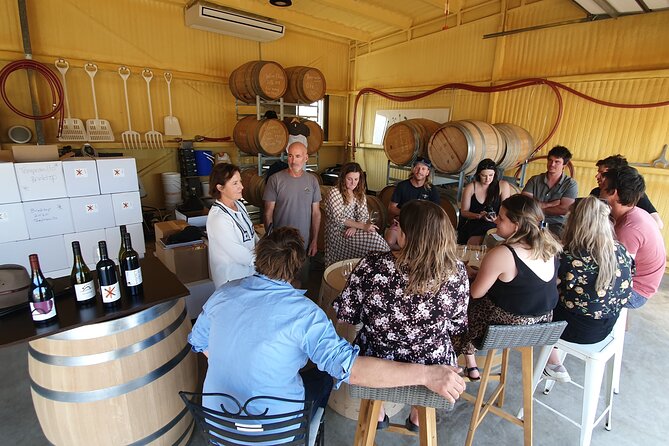
The Hobart portion is short—about 45 minutes—and it’s there to set the stage. This is where the guide’s approach really shows: before you reach the first cellar door, you get the tasting basics so you can tell the difference between wines as you go.
From the way the day is described, this isn’t a lecture that drags on. It’s more like getting your senses switched on—then using that skill right away. One review highlighted how learning the basics before the first winery helped people distinguish sight, smell, and taste during tastings, which is exactly what you want if you’re new to wine.
Richmond stop: bridge landmark energy plus a proper lunch

Next up is Richmond, with another 45-minute stop. Richmond is known for historic charm, and this stop includes seeing the oldest continuously used bridge in Australia.
Why this matters on a wine day: it breaks up the route with a real sense of place. Instead of only driving and tasting, you get a meaningful stretch where you can reset your brain. Then you move into lunch, which is a big part of the day’s value.
Lunch in Richmond comes in at a key moment: after you’ve started tasting and before you’re too full of wine aromas. The lunch includes a glass of wine, which is a smart pairing because it keeps the rhythm steady instead of leaving you to hunt for food on the go. You get to sit, talk, and absorb the day.
The oldest continuously used Catholic church stop: why it fits here
There’s also a stop for the oldest, continuously used Catholic church in Australia. The visit time isn’t specified in your details, but it functions as another cultural beat in the route.
This kind of stop works well on wine tours because it anchors the day in Tasmania itself. Even if your main goal is wine, learning that this region has deep, ongoing community landmarks makes the countryside feel less like a drive-through. It’s also a short mental reset between tastings.
The wine regions: Derwent Valley, Coal River Valley, and Huon Valley
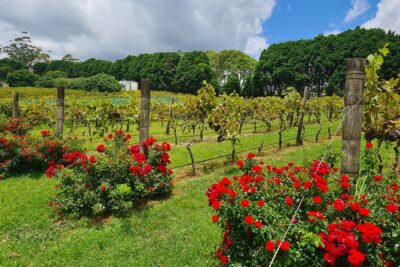
This tour focuses on southern Tasmania’s wine output, and it visits two of the three wine regions surrounding Hobart: Derwent Valley, Coal River Valley, and Huon Valley.
You should expect a route that’s designed to keep winery visits efficient while still giving you variety. Derwent Valley and Coal River Valley are often talked about in terms of boutique cellar doors and approachable tasting experiences. Huon Valley is frequently associated with cooler-climate styles, which can make the tasting feel more interesting if you like comparing how site and climate shift flavors.
What you’ll likely enjoy most is that the day is not just about sipping. You’ll be guided through how to taste—sight, smell, and taste—so you can connect what you’re tasting back to the region.
Cellar-door stops: how to get the most out of tastings
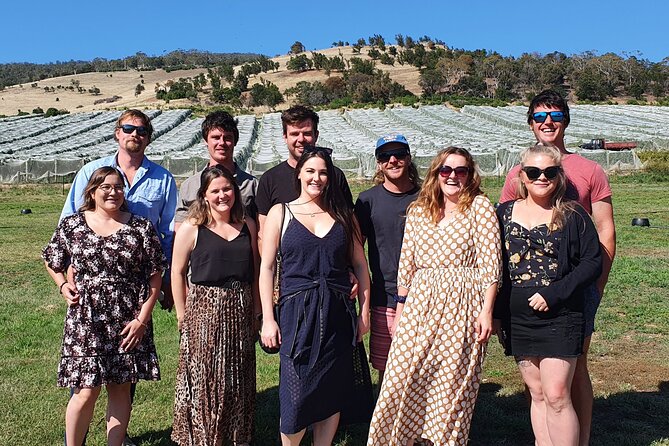
You’re promised a minimum of four cellar-door stops, which is a good number for a day tour. It’s enough variety to make the comparisons real, but not so many that every tasting starts blending together.
Here’s how to make each stop count:
- Ask one question you truly care about at each winery, like what grape variety to try first
- Use the same order every time (look, smell, then sip) so you build comparisons
- Pace yourself—your lunch includes a glass of wine, and later tastings will stack on that
One highlight that comes through strongly is the chance to meet people involved in the process. Reviews mention sitting down with winemakers and getting hands-on context. Even if you’re not doing anything physical, those moments help wine stop being abstract.
A specific example from the winery experiences shared: at Brinktop, people talked about learning from the process and even getting a role in plunging Pinot Noir skins. If that kind of active explanation is your thing, you’ll likely love the tone of this tour.
Steliano Cusmiani’s guide style: the difference between tasting and learning
Steliano Cusmiani, often referred to as Stel, runs the day with a clear teaching method. You’ll notice that he doesn’t only talk about wine. He helps you taste wine.
From the feedback shared, the day has a common pattern:
- Learn basics first
- Apply them immediately at the first cellar door
- Keep your questions coming as you go
That’s a big deal because wine tours often fail in one of two ways: either they’re too casual to help you learn anything, or they’re too formal to stay fun. Here, the balance seems to be real-life questions, laughter, and explanations you can use the next time you see a bottle on a shelf.
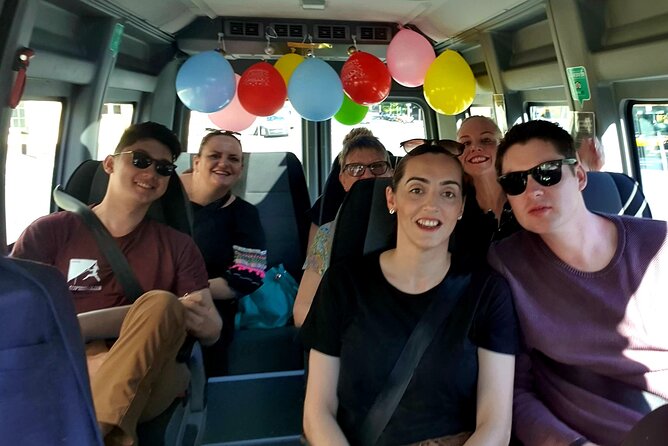
Also, the group size is capped at 11, which helps. With a smaller group, you get more back-and-forth instead of being one face in a crowd.
The lunch-with-wine setup: good for value, good for pacing
Lunch is included, and it comes with a glass of wine. That’s not just a perk. It affects how you experience the day.
With lunch on the schedule, you avoid the common problem on wine tours: tastings get scattered, food gets delayed, and then everyone is too tired or too hungry to enjoy the later wineries. Here, the structure keeps you comfortable enough to keep learning instead of powering through.
If you like wine, you’ll also appreciate that the glass at lunch is part of the tasting narrative. It fits the day’s goal: help you understand what’s in the glass, not just knock back pours.
Practical rules you should plan around (shoe and age rules)
This is an 18+ tour—you’ll need to be over 18 by law. That’s straightforward, but it also shapes the vibe: the day tends to stay focused on adults enjoying wine without turning into a party scene.
And at wineries, close-toed shoes are required for safety. It’s one of those rules that’s easy to ignore—until you’re at the gate with sneakers that don’t meet the requirement. Pack properly and you’ll save time and stress.
Group size, minimum numbers, and what that means for your expectations
This tour runs with a minimum of 4 guests and has a maximum of 11 travelers (the cap helps keep it intimate). If the minimum isn’t met, you’re offered a different date or a full refund.
So what should you expect as a practical traveler? Your day is likely to feel personal. You’re not just riding from winery to winery; you’re part of a small group where questions matter and the guide can adjust the flow.
Weather and timing: the one thing that can change the plan
The experience requires good weather. If it’s canceled due to poor weather, you’ll be offered another date or a full refund.
This matters because winery days are outdoor-and-road heavy. If rain is in the forecast, don’t schedule a tight connection immediately afterward. Give yourself a buffer so a reschedule doesn’t wreck the rest of your Hobart plans.
Who this tour is best for (and who might want a different style)
This is ideal if:
- You’re curious about Tasmanian wines and want structure, not just random tastings
- You like meeting the people behind the bottle and learning how tasting works
- You want a full day without worrying about driving, timing, or choosing wineries
You might consider another option if:
- You need extremely predictable timing with no weather risk
- You want to do mostly in-city things and very little country driving
- You’re the type who hates tasting notes and wants total freeform tasting
Should you book StelaVino from Hobart?
I’d book it if you want an efficient, value-packed way to learn Tasmania wine without doing logistics. The combination of lunch + a glass of wine, at least four cellar doors, and Stel’s focus on teaching tasting basics is a strong match for anyone who wants to understand what they’re drinking.
If you do book, pack close-toed shoes, keep your schedule flexible for weather, and come ready to ask questions. The day works best when you treat tastings like a lesson you can use right away.
FAQ
How long is the 7-8 hour StelaVino guided wine tour?
The duration is approximately 7 hours 30 minutes.
Where does the tour start and end?
The tour starts at Daci & Daci Bakers, 9–11 Murray St, Hobart TAS 7000, and it ends back at the meeting point.
Does the tour include lunch and wine?
Yes. Lunch with a glass of wine is included in the price.
How much does the tour cost per person?
The price is $132.69 per person.
Do I need to be over 18 to join?
Yes. All guests must be over the age of 18 by law.
Are pickup and mobile tickets available?
Pickup is offered, and you receive a mobile ticket.
What wine regions does the tour visit?
The tour visits two of the three wine regions around Hobart: Derwent Valley, Coal River Valley, and Huon Valley.
How many cellar doors will I visit?
The tour includes a minimum of four cellar door stops.
What happens if weather is bad?
The experience requires good weather. If it’s canceled due to poor weather, you’ll be offered a different date or a full refund.