REVIEW · NAPA AND SONOMA
#1 Sonoma Walking Food, Wine Tasting & History Tour (Public Tour)
Book on Viator →Operated by Sonoma Food Tour · Bookable on Viator
Sonoma tastes better when someone local explains it. This 3-hour walking tour mixes food stops with downtown Sonoma history.
I love that it’s built around a small group, so the guide can keep things moving and still answer your questions. I also like the variety: cheese, olive oil and balsamic tastings, a Mexican-style lunch, a margarita, a flight of 3–5 wines, plus sweet stops like ice cream and chocolate.
One thing to weigh is the balance: the tour is more food-forward than wine-forward, with wine included as a single tasting. If you’re chasing lots of wine pours, you might wish for more.
Key Highlights You’ll Feel in Real Life
- Small group, personal pacing: maximum 10 travelers keeps the tour from feeling like a conveyor belt.
- A lunch-style meal is included: not just bites—think portions that fill you up for a full afternoon.
- Local tastings beyond wine: cheese, olive oils, balsamic vinegars, and chocolate are real centerpieces.
- History lessons tied to the places: you’re learning while you walk, not sitting through facts.
- Alcohol included (with age rules): one wine tasting (3–5 wines) plus one margarita.
- Guides with standout energy: Abby and Caroline are specifically called out for being fun, warm, and helpful.
In This Review
- Downtown Sonoma on Foot: Why This 1.25-Mile Loop Works
- Meet the Guide: The Difference Between a Tour and a Real Orientation
- The Progressive Tastings: Cheese, Olive Oil, Balsamic, and a Real Lunch
- Start with Sonoma cheeses
- Then comes California Mexican lunch energy
- Olive oils and balsamic: where the tour gets memorable
- Margaritas, Ice Cream, and Chocolate: Sweet Stops That Don’t Feel Like Afterthoughts
- Wine Tasting on This Route: What You Really Get for $189
- Sonoma History While You Walk: Depot Park, Mission Solano, Bear Flag, and More
- Depot Park Museum: immigration and early wine industry
- Mission San Francisco Solano: Spanish and Mexican heritage
- Historic Barracks and the Bear Flag moment
- The Italian-root thread and the theatre connection
- Shops Along the Way: How to Use the Tour for Better Souvenirs
- Price and Value: Is $189 Fair?
- Who Should Book This Sonoma Food, Wine, and History Tour?
- Final Call: Should You Book This Tour?
- FAQ
- How long is the Sonoma Walking Food, Wine Tasting & History Tour?
- What’s included in the price?
- What dietary needs can the tour accommodate?
- Is there alcohol on the tour?
- How big is the group?
- Can I cancel for a full refund?
Downtown Sonoma on Foot: Why This 1.25-Mile Loop Works
This is a classic downtown walking experience—simple in theory, smart in practice. You’ll cover about 1.25 miles with stops along the way, and the pace is leisurely rather than sprinting. For most people, that’s a sweet spot: you get movement, conversation, and context without feeling wrecked afterward.
The big advantage of walking here is that Sonoma’s story shows up fast. You’re not just tasting food; you’re seeing the town’s layout and architecture while you hear what came before. The tour even ends in the Sonoma Plaza area, so it naturally sets you up to keep exploring on your own afterward—shops, cafés, and viewpoints are right there.
One practical tip: wear shoes you’d actually walk in for an hour. You’ll be on your feet, and since the tour runs in all weather conditions, you’ll want comfort more than fashion.
Meet the Guide: The Difference Between a Tour and a Real Orientation
The tour’s quality mostly comes down to the guide, and the recent guides highlighted—Abby and Caroline—are both described as fun and actively engaged. That matters more than it sounds. When the guide’s style is upbeat and organized, you don’t just hear facts; you understand what to pay attention to.
I especially like how the tour uses the stops as teachable moments. You’ll get local context at each place—why that business is part of Sonoma, how the product is made, and what heritage ties it to the town. That turns “tasting” into “learning,” and it also makes your own future restaurant and shopping choices easier.
You’ll also get recommendations for what to do next in the Sonoma Valley. That’s the kind of value that doesn’t show up in the tasting menu, but it can save you time and decision fatigue later.
Small group size also changes the vibe. With a maximum of 10 travelers, you can hear the guide clearly, ask questions without waiting in line, and—based on guest experiences—often end up meeting friendly people who like the same food-and-history mix.
You can also read our reviews of more tours and experiences in Napa and Sonoma.
The Progressive Tastings: Cheese, Olive Oil, Balsamic, and a Real Lunch
This tour is built like a meal in chapters. Instead of one tasting and a quick walk, you keep getting new flavors that keep your appetite engaged.
Start with Sonoma cheeses
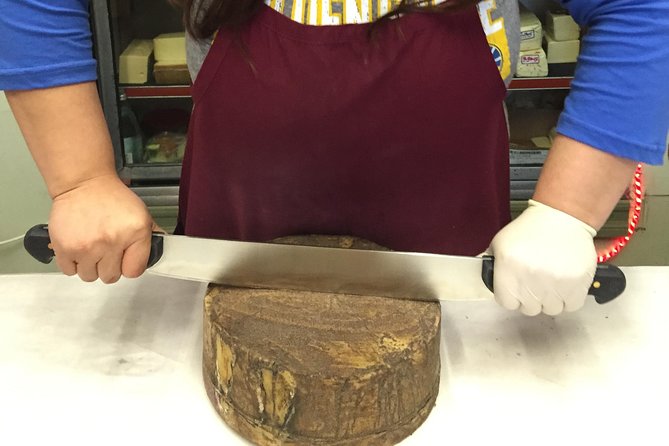
The cheese stop focuses on locally made cow’s milk cheeses. It’s not random sampling—you’re tasting through a range of flavors, and you’ll learn a bit about how cheese makers think and work. One nice detail: you’re tasting as part of the walking flow, so it feels like a guided food journey rather than a quick pop-in.
Then comes California Mexican lunch energy
The lunch is a fresh California Mexican Food Tasting, paired with a wine. That pairing is key: it’s one of the few times on the tour where the food and drink are explained together in a way that makes sense to your palate.
The lunch also comes with the practical benefit of being filling. You’re not just nibbling your way through downtown—you’re likely leaving properly fed, with no need to scramble for dinner later.
Olive oils and balsamic: where the tour gets memorable
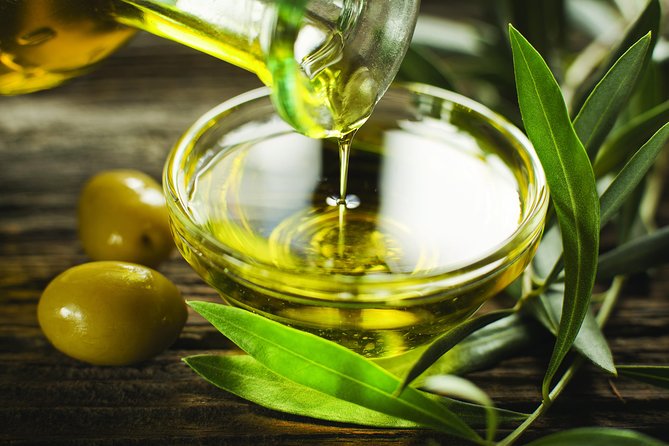
A major flavor highlight is the olive oil and balsamic tasting. You’ll sample flavored olive oils and balsamics sourced from local producers. If you’ve ever tried to use olive oil at home and wondered why some bottles taste sharper, sweeter, or deeper—this stop gives you a real tasting reference.
It’s also one of the stops people mention as a standout. When the guide talks through the differences, you come away better at choosing products for your own kitchen.


Margaritas, Ice Cream, and Chocolate: Sweet Stops That Don’t Feel Like Afterthoughts
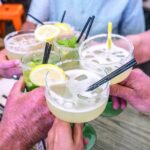
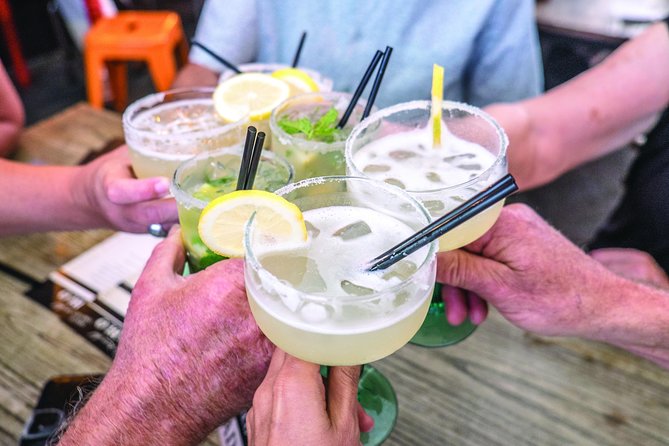
The tour includes one margarita, and it’s not treated like a throwaway drink token. It’s part of the tasting rhythm—salty, acidic, and bright—so it resets your palate between food stops.
Then you hit more “signature Sonoma” dessert territory:
- Ice cream (listed as one of the tour snacks)
- Chocolate at the end, including locally made wine country chocolates
This ending matters. A lot of food tours fade out with a final bite that feels like politeness. Here, dessert is framed as a proper finish. It’s also a nice moment to slow down, take photos, and ask any last questions you saved up.
Wine Tasting on This Route: What You Really Get for $189
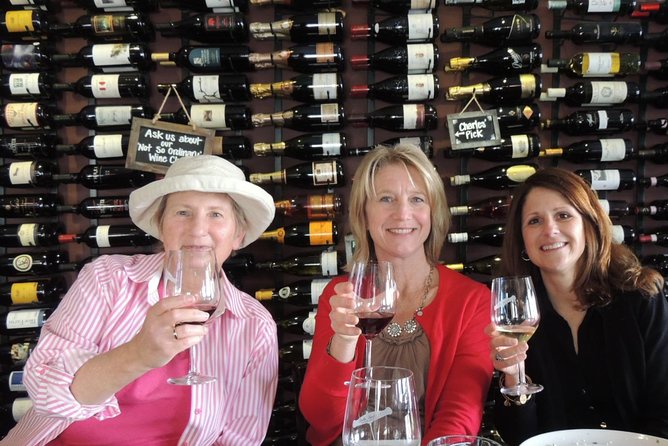
Let’s be honest: this is a food-and-history tour, not a classic multi-winery wine day. You get one wine tasting with 3–5 wines included, plus the margarita. That’s it for wine.
For many people, that works perfectly. You’re getting a focused wine intro while spending more time on local specialty products like cheese and olive oil. It keeps the tour balanced and prevents it from turning into a heavy-drinking marathon.
But if you’re the type who wants repeated pours at several spots, you’ll likely notice the limitation. One guest comment captured the sentiment: there isn’t a ton of wine along the route for the price. My advice is simple: treat the wine tasting as part of the overall flavor experience, not the main event.
Also remember the alcohol rules: the minimum drinking age is 21. If your group includes anyone under 21, plan accordingly.
Sonoma History While You Walk: Depot Park, Mission Solano, Bear Flag, and More
Food is fun—but the history pieces are what make this tour feel like more than eating your way down a street.
Depot Park Museum: immigration and early wine industry
At the Depot Park Museum, you’ll learn about Italian and European immigration to Sonoma and connections to the early wine industry. This is a short stop, so you’ll want to pay attention to the guide’s key points rather than trying to read everything at your own speed.
Mission San Francisco Solano: Spanish and Mexican heritage
Next you’ll spend time at Mission San Francisco Solano, tied to Spanish and Mexican heritage and the broader mission story in California. Missions can sound like school topics, but here the point is to connect the mission setting to how Sonoma became Sonoma.
Historic Barracks and the Bear Flag moment
You’ll also hear about historic barracks and the Raising of the Bear Flag, including where and how California became a state and how that event shaped the town of Sonoma. Even if you don’t memorize dates, the explanation helps you understand why the town carries that identity so strongly.
The Italian-root thread and the theatre connection
Another history angle shows up through the historic theater, described as founded by a local Italian. You’ll also hear details about Chuck Williams and the original heritage Williams Sonoma store. That’s one of those “you’ll see it, then you’ll recognize it later” moments—useful if you plan to shop or wander after the tour.
The payoff: your stroll through Sonoma Plaza stops feeling like sightseeing and starts feeling like orientation. You learn what you’re looking at and why it matters.
Shops Along the Way: How to Use the Tour for Better Souvenirs
The tour includes “shopportunities” along the route, and that’s not just marketing fluff. When you taste at the source, you can decide what’s worth buying based on your own palate, not a shelf appeal.
A smart approach:
- Taste first, then buy only if you genuinely like what you sampled.
- If you’re sending souvenirs home, focus on items that travel well (cheese selections may be harder; oils, balsamic, and chocolates are often easier).
- If you loved the olive oil and balsamic tasting, use that as your baseline. You’ll know what “good” tastes like for your own tastes.
Because the guide is local, you’re not just buying branded products—you’re learning what those businesses are known for and how they fit into Sonoma.
Price and Value: Is $189 Fair?
At $189 per person, this tour sits in the “worth it if you want a structured afternoon” category. The value case is strongest if you factor in everything included:
- A lunch-style meal (California Mexican tasting)
- One wine tasting featuring 3–5 wines
- One margarita
- Specialty tastings: cheeses, olive oils, balsamics, plus ice cream and chocolate
If you were to assemble a similar day yourself, you’d be paying for meals, individual tastings, and shopping—often without the history context and without the guided pacing.
The one caveat is again the wine amount. People who expect a wine-heavy itinerary may feel the $189 is not matching their priorities. If you’re more interested in Sonoma’s flavor variety—cheese, olive oil, regional sweets—and want it paired with history, then the pricing starts looking more reasonable.
Who Should Book This Sonoma Food, Wine, and History Tour?
This tour fits best if you:
- want a downtown walking experience that feels guided but not rushed
- enjoy tasting local specialty products like cheese and olive oil
- like combining food with short, clear history stops
- want an easy first-day activity to help you plan the rest of your Sonoma time
It may feel less ideal if you:
- want multiple wine tastings at wineries
- need gluten-free meals, because it states they cannot accommodate at all stops
- are lactose intolerant, because they also cannot accommodate at all stops
- have mobility limits, since you must be able to walk about a mile with stops
If you’re vegetarian, there is a vegetarian option available—just make sure you mention dietary needs at booking.
Final Call: Should You Book This Tour?
I’d book this if your goal is an organized, tasty afternoon in Sonoma Plaza with local flavor and town context. The small-group feel, the variety of tastings, and the way the guide threads food with stories—plus the chance to end with ice cream and chocolate—adds up to a day that feels more complete than a standard tasting.
Skip it (or at least adjust expectations) if wine is your top priority. You’ll get wine, but the tour’s “heart” is food and history, not a long wine itinerary.
If you want to hit the ground running in Sonoma, this is a strong first booking—then you can use the recommendations to build the rest of your trip.
FAQ
How long is the Sonoma Walking Food, Wine Tasting & History Tour?
It lasts about 3 hours and includes a 1.25-mile walking route with stops along the way.
What’s included in the price?
You get all food plus one wine tasting (3–5 wines), one margarita, and lunch as a tasting experience. The tour also includes snacks such as a cheese tasting, olive oil and balsamic tastings, and ice cream, plus chocolate.
What dietary needs can the tour accommodate?
A vegetarian option is available if you request it at booking. The tour also states it cannot accommodate gluten free at all stops and cannot accommodate lactose intolerant guests at all stops.
Is there alcohol on the tour?
Yes. The tour includes wine tasting and one margarita, and the minimum drinking age is 21.
How big is the group?
The tour has a maximum of 10 travelers, and there is a minimum of 4 guests required for the tour to operate.
Can I cancel for a full refund?
Yes. You can cancel for a full refund if you do it at least 24 hours before the tour starts. If you cancel within 24 hours, the amount paid is not refunded.