REVIEW · KROV
Winetasting with tour through the winery
Book on GetYourGuide →Operated by Weingut Gerhard Trossen · Bookable on GetYourGuide
Cellar doors open, then Riesling makes sense fast. At Weingut Gerhard und Christel Trossen, I love the wine cellar walk where you can see where the wine ferments, and I love that the five Mosel wines tasting explains fruity, mineral, wood influence, and Riesling aromas in plain language. The main downside: it’s conducted in German, so if you don’t follow spoken German well, the nuance may be harder to catch.
This is a focused, guided experience: you get a winery tour, then a structured tasting with words and pictures. I also like the vibe here because you’re encouraged to ask questions, and the winemaker is the one answering; in recent feedback, guests even thanked a guide named Lukas for clear, friendly explanations. If you want a casual drop-in tasting with zero guidance, this won’t feel that way.
In This Review
- Key things I’d mark on your plan
- Meeting at Weingut Gerhard und Christel Trossen: start with the people
- The 40-minute winery tour: where words turn into visuals
- What you should look (and listen) for
- Cellar-to-glass: how fermentation sets up the tasting
- The 80-minute tasting: five Mosel wines with guided comparisons
- What the winemaker explains (and how you should use it)
- Price and value: is $16 worth it?
- The vineyard story: what you’re really learning
- Who should book this (and who should skip it)
- Practical tips to get the most out of your tasting
- Should you book this winetasting tour?
- FAQ
- How long is the wine tasting and winery tour?
- How many wines will I taste?
- Where does the tour start?
- What is included in the price?
- What language is the tour conducted in?
- Is the tour wheelchair accessible?
- Is it suitable for children?
- Are they specific rules for pregnant travelers?
- FAQ
- Is there free cancellation?
- Can I reserve now and pay later?
Key things I’d mark on your plan
- Cellar tour before the glass so the tasting terms make sense
- Fermentation shown in context, not just mentioned
- Five Mosel wines with guided comparisons across styles
- Winemaker explanations you can question right on the spot
- A “winemaker’s year” story told with words and pictures
- A tight 2-hour format that fits well between longer Rhine-region days
Meeting at Weingut Gerhard und Christel Trossen: start with the people
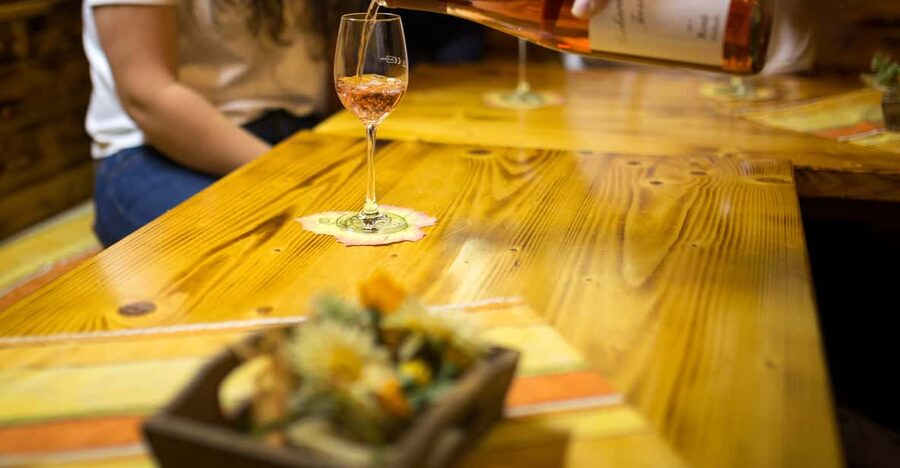
Your experience starts at Weingut Gerhard und Christel Trossen. Right at the beginning, the guide gives a short introduction to the winery and the people behind it, which matters more than you might think. When you understand who’s running the place, the rest of the talk about grapes, weather, and decisions feels less like textbook wine and more like a working process.
This tour is designed to be paced. You’re not wandering off on your own, and you’re not left guessing what you’re supposed to look for. Expect a clear flow: first context, then cellar, then tasting.
One practical note: the experience is live-guided in German. That’s fine if you’re comfortable listening, but if you only know wine words in English, bring a small cheat sheet in your head—fruity, mineral, wood influence, and Riesling aromas. Even without perfect German, the guide’s explanations and the tasting structure do a lot of the work for you.
The 40-minute winery tour: where words turn into visuals
The guided tour portion runs about 40 minutes. This is where the winery stops being a label and starts being a set of real steps. You’ll move through areas of the property connected to how their wine is made, with a focus on the cellar and the winemaking process.
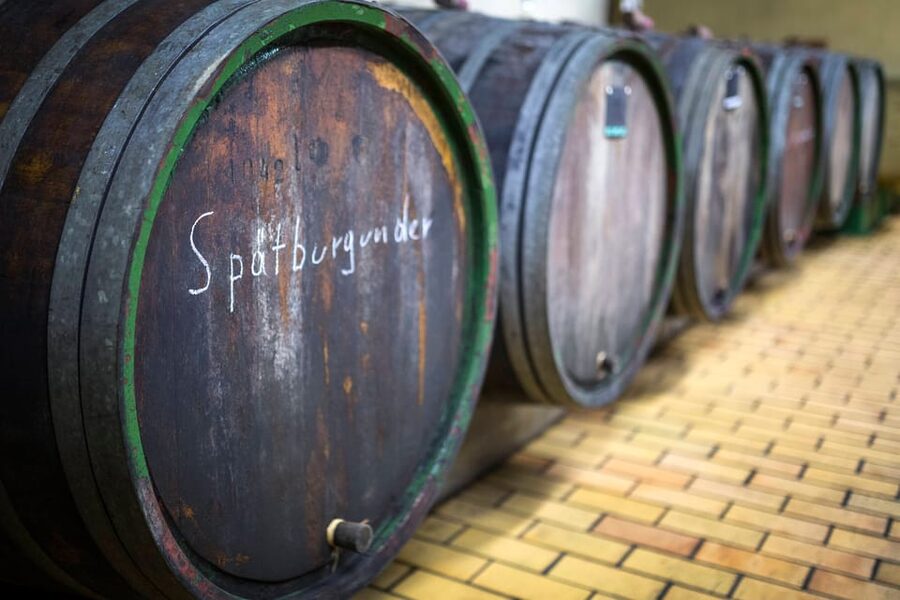
The big moment in this section is the opportunity to see the wine cellar and where the wine ferments. Seeing that physical stage helps you understand why certain flavors and aromas show up later. It also makes the tasting vocabulary less abstract. When someone later says mineral or wood influence, you’re not imagining vague impressions—you can connect those descriptions to what the winemaker is doing in the background.
What you should look (and listen) for
During the tour, I’d pay attention to how the guide ties each place to timing. Wine isn’t one switch—it’s a chain of choices. If the guide talks about stages, take that seriously. Those stages are usually why wines taste different even when they come from the same general region.
And because the tone can be entertaining, this part often feels quicker than you expect. The comments I’ve heard from others point to a tour that doesn’t drag—there’s real information, but it’s delivered in a way that stays human.
Cellar-to-glass: how fermentation sets up the tasting
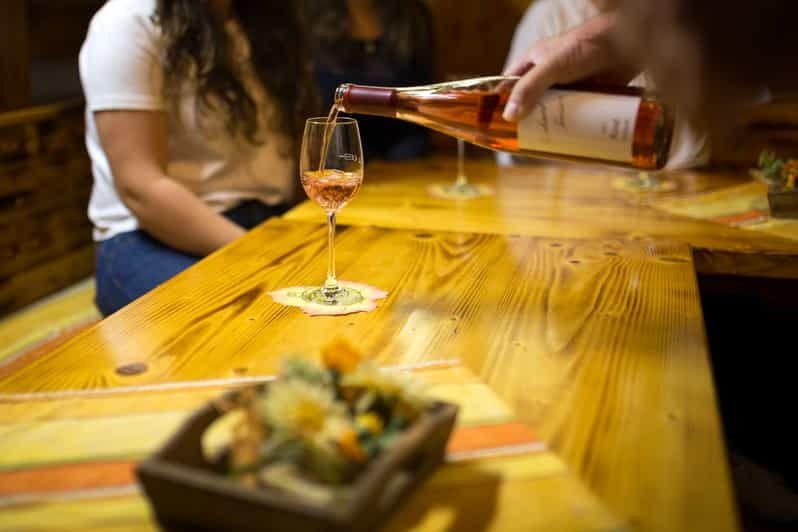
After you’ve been shown the cellar and the fermentation area, the tasting starts to feel like the second half of the same conversation. You’re guided through the winemaker’s year in words and pictures, then you taste through five wines from the range.
Why this matters: most people taste wine first and learn later. Here, the order is reversed. If you’re the kind of person who wants to understand why a wine tastes the way it does, this sequence is a gift. You’ll already have mental anchors before you taste.
In the cellar portion, you’re not just looking around. You’re building a framework for what fermentation and winemaking decisions can do. That sets you up to interpret aromas and flavors with more accuracy than simple guessing.
The 80-minute tasting: five Mosel wines with guided comparisons
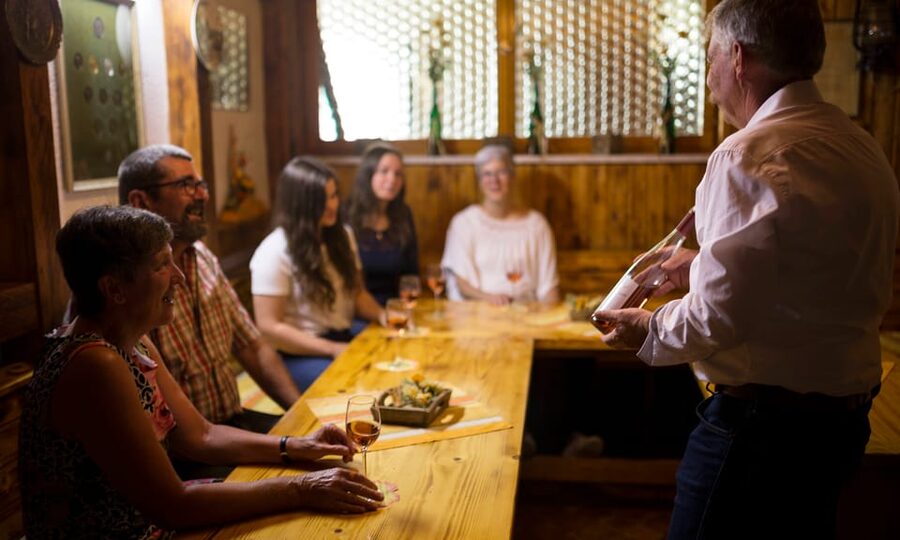
The tasting portion runs about 80 minutes, which is long enough to do more than sip. You’ll taste five Mosel wines while the winemaker walks you through what they mean and how to notice it.
This is the heart of the value. A tasting that only says this one is smooth and that one is crisp won’t teach you much. This one aims to make the tasting language practical. You’ll learn how to connect sensory clues to the winemaker’s intentions—like how they talk about fruity character, mineral impressions, wood influence, and Riesling aromas.
What the winemaker explains (and how you should use it)
The tasting guide doesn’t treat these as buzzwords. They explain what they mean when they describe a wine that way. That matters for you because it turns the tasting from guessing into recognizing.
Here’s how I’d approach it:
- Fruity: Instead of just deciding it tastes sweet or not, try to identify what kind of fruit character you notice and when it appears—on the nose, on the palate, or on the finish.
- Mineral: Don’t expect salt. Mineral usually shows up as a tightness, a texture, or a certain kind of clarity. Notice whether the wine feels precise or more round.
- Wood influence: Watch for signs of toastiness, spice, or a slightly rounded texture that doesn’t feel purely like fruit.
- Riesling aromas: Focus on aromatic detail rather than only sweetness or acidity. You’re training your nose here, and the guide gives you targets.
During this part, you’re encouraged to ask questions. That’s one of the most highly praised aspects of this experience in the way it’s described: people come away saying the explanations are genuinely useful, not generic.
Price and value: is $16 worth it?
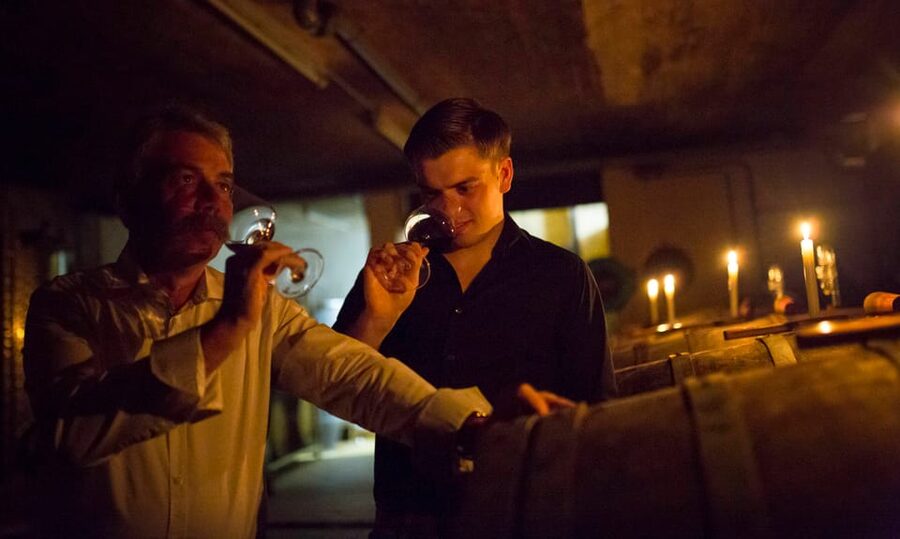
For $16 per person over 2 hours, you’re getting a cellar-guided tour plus tasting of five Mosel wines. Even if you’ve done tastings before, the structure is the key value: cellar context first, then an explanation-led tasting.
In other words, you’re not just paying for wine samples. You’re paying for interpretation—someone taking the time to connect what you taste with what they do in the vineyard and cellar. That’s what helps you leave with more than a pleasant afternoon.
Also, the timing is efficient. Two hours is long enough to learn, but not so long that it eats your whole day. If you’re building a Rhine-Mosel trip and want one solid, educational stop, this fits well.
The vineyard story: what you’re really learning
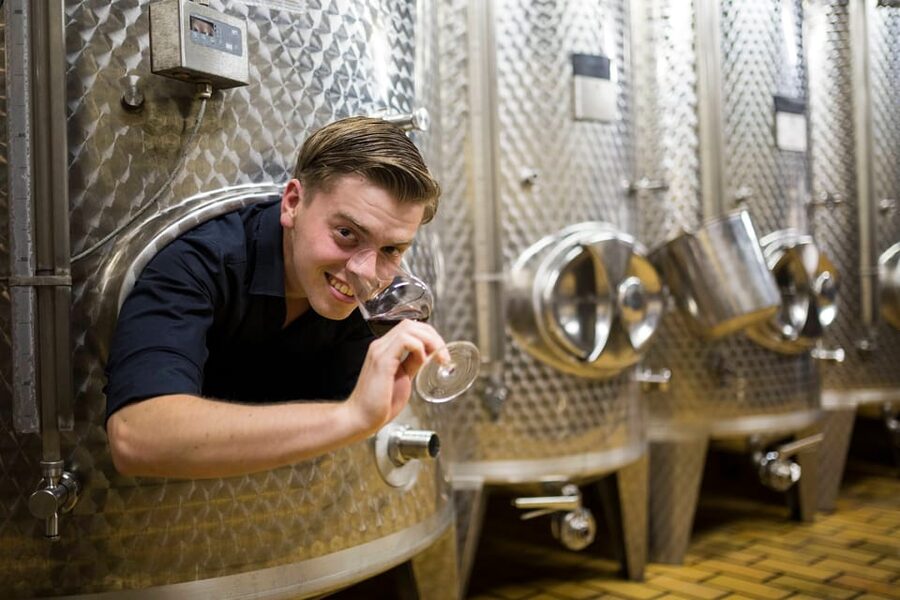
The experience includes vineyard work details, which is a big part of why this isn’t just a tasting bar. When the guide talks about the vineyard and the winemaker’s year, you learn how decisions in the ground show up later in the bottle.
This is especially relevant in the Mosel context, where grape choices and ripening conditions are central to the final profile. Even without heavy technical language, you’re guided through the logic: what happens over time, what the winemaker watches for, and why the wine ends up tasting the way it does.
If you’re the type who likes to understand food and drink as part of a system, you’ll appreciate this. You’ll leave with a clearer picture of how a wine goes from vineyard work to cellar steps to what you’re tasting in hand.
Who should book this (and who should skip it)
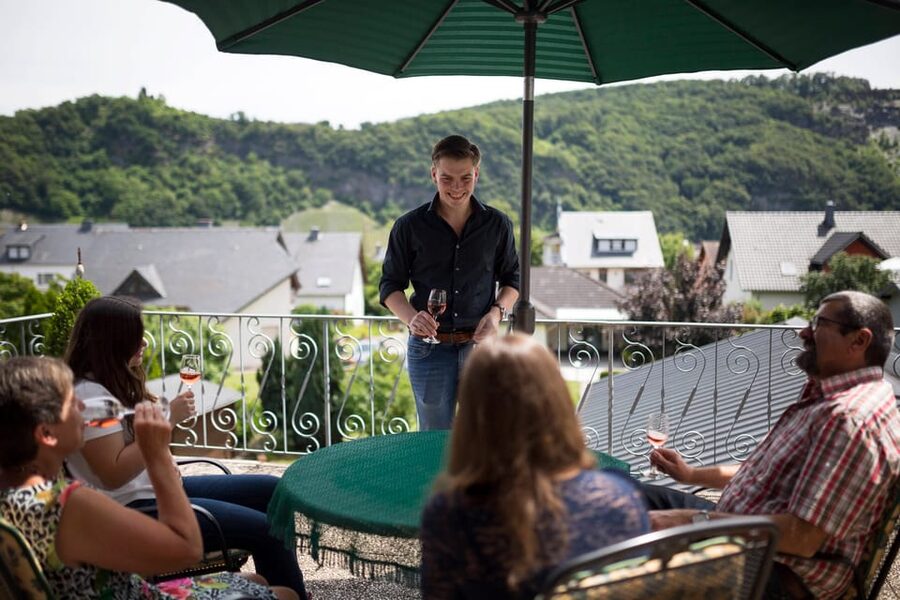
I’d recommend this tour if you want:
- a guided tasting where the winemaker explains what they mean
- a cellar tour before you taste so you can follow the story
- a small lesson in Mosel wine terms without it turning into a lecture
It may not be your best match if:
- you want a self-guided, slow wander with no structure
- you don’t understand German well and don’t want to rely on context clues
One more important reality check: this activity is not suitable for children under 16 years and it’s not suitable for pregnant women. Plan accordingly.
On the positive side, it’s wheelchair accessible, which is great for travelers who need mobility-friendly options. If you’re booking with specific needs, it’s smart to confirm comfort with the operator before you go.
Practical tips to get the most out of your tasting
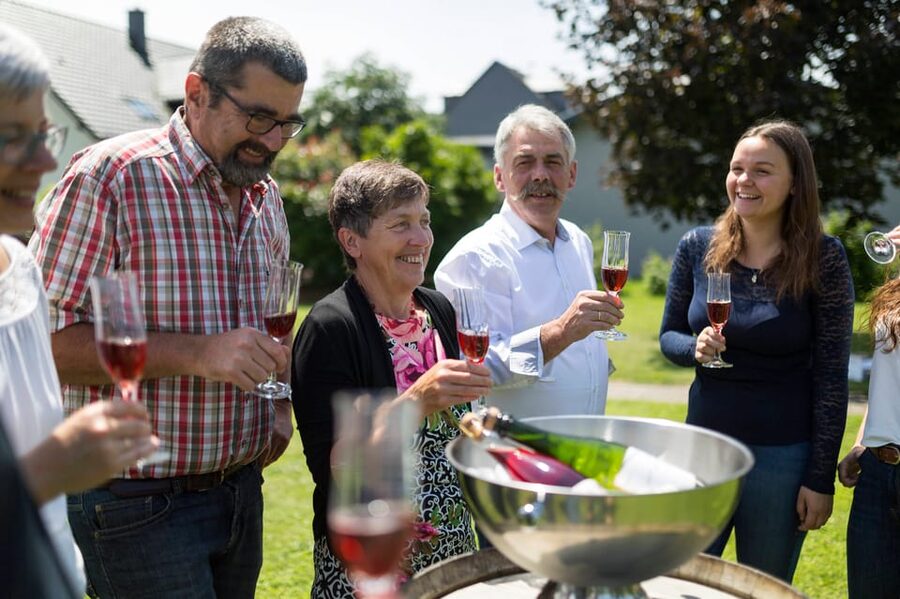
If you want to walk away impressed and not just politely buzzed, here’s how to play it:
- Arrive ready to listen. The tasting is guided in German. Don’t show up thinking you’ll catch everything word-for-word. Use your ears and your senses together.
- Taste in order and pay attention to transitions. The best learning happens between glasses, when the guide contrasts fruity vs mineral or fruit vs wood influence.
- Ask one or two focused questions. If you ask about what to look for when comparing aromas or why a style tastes different, you’ll get answers that actually help your next glass.
- Use the winemaker’s vocabulary immediately. When they say mineral, try to identify what that means right then. It sticks better.
And yes, the tone can be fun. People often leave talking about how interesting and lively it felt. That matters because you’re not stuck in a dry format—you’re learning.
Should you book this winetasting tour?
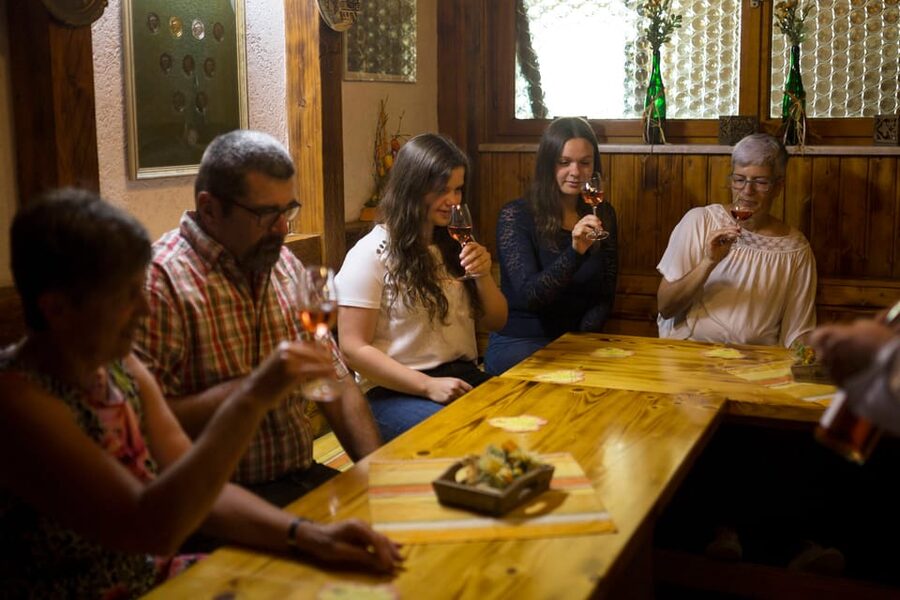
I’d book it if you want a straight-to-the-point Mosel experience with real teaching, not just wine samples. The standout for me is the combination of cellar access, a structured tasting of five Mosel wines, and explanations you can question. With only two hours on the clock, it’s a smart way to leave with both better taste memory and better wine vocabulary.
I wouldn’t book it if German-language tours put you off, or if you’re looking for a casual, independent tasting vibe. For everyone else—especially if you like Riesling and want to understand how people talk about fruit, mineral feel, and wood influence—this one is an easy yes.
FAQ
How long is the wine tasting and winery tour?
The total duration is about 2 hours, with a 40-minute guided tour and an 80-minute wine tasting.
How many wines will I taste?
You’ll taste five Mosel wines during the tasting.
Where does the tour start?
The starting location is Weingut Gerhard und Christel Trossen.
What is included in the price?
Included are the winery tour through the cellar and the wine tasting with five Mosel wines.
What language is the tour conducted in?
The live tour guide speaks German.
Is the tour wheelchair accessible?
Yes, the activity is wheelchair accessible.
Is it suitable for children?
No. It is not suitable for children under 16 years.
Are they specific rules for pregnant travelers?
Yes. The tour is not suitable for pregnant women.
FAQ
Is there free cancellation?
Yes. You can cancel up to 24 hours in advance for a full refund.
Can I reserve now and pay later?
Yes. The listing offers reserve now & pay later, so you can book your spot and pay nothing today.