REVIEW · BURGOS
Visit and Wine Tasting at the Territorio Luthier Winery
Book on Viator →Operated by Territorio Luthier · Bookable on Viator
Tiny bodega, big wine talk. This visit to Territorio Luthier starts right in the winery, where you walk through the production rooms and learn how their approach to viticulture and winemaking shows up later in your glass. I particularly like the way the tour explains process (viticulture choices, fermentation, and aging) instead of just names and slogans, and I also love the tasting format: four red wines spanning crianza and reserva styles. One drawback to plan for: this is a small, low-volume operation, so bottle prices can feel higher than big-brand labels—plus you’ll want to handle your own transportation.
You’ll join a small group (up to 9 travelers) and the experience runs about two hours. It’s offered in English, and you’ll use a mobile ticket. The meeting point is at Hotel Montermoso in Aranda de Duero, and the activity ends back there—so it’s easiest if you’re already staying nearby.
In This Review
- Key things to know before you go
- Territorio Luthier at a glance: price, time, and what you taste
- From the production rooms to the vineyard choices
- Fermentation tanks and the practical science of flavor
- Aging in unusual wood: where the wine picks up fingerprints
- The tasting area: four reds, snacks, and a real sense of pacing
- Buying wine: small-batch reality and what to do with it
- Price and logistics: what’s included, what’s not, and how to plan
- Who should book this winery experience (and who might skip it)
- FAQ
- FAQ
- How long is the Territorio Luthier winery visit and tasting?
- How much does the experience cost?
- What’s included in the price?
- Is transportation included?
- How many people are in the group?
- What language is the tour offered in?
- What wines do you taste?
- Is Hispania Reserva part of the tasting?
- Where does the tour start and end?
- Can I cancel if my plans change?
- Should you book Territorio Luthier?
Key things to know before you go
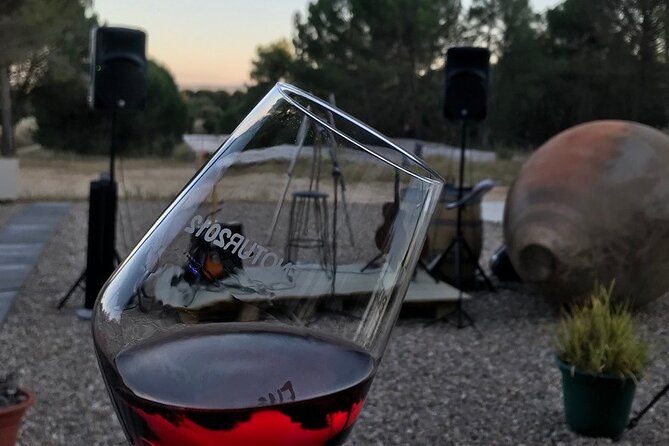
- Production rooms you can actually see: viticulture, fermentation tanks, and aging details are part of the walk-through.
- A tasting with four red wines: typically spanning crianza and reserve categories.
- Small group energy (max 9): questions are easy to fit in, not rushed.
- Wood aging is a talking point: they use unusual types of wood, and you’ll learn why that changes flavor.
- Sometimes you’ll taste beyond reds: white and claret may be included depending on the day and group.
- Bottle prices reflect small-scale winemaking: expect less output and higher per-bottle cost.
Territorio Luthier at a glance: price, time, and what you taste
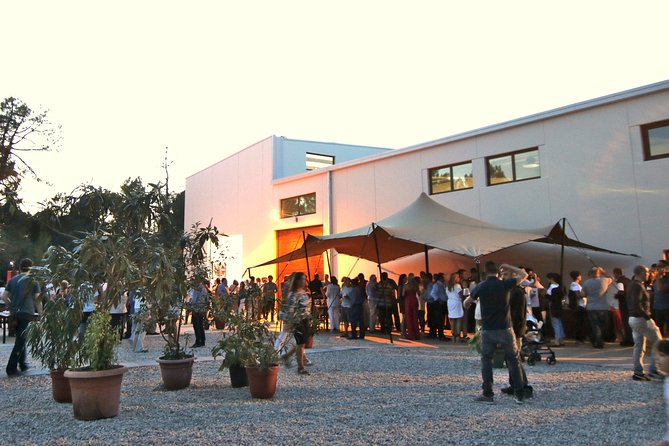
This Territorio Luthier experience is priced at $36.28 per person for about 2 hours. In plain terms, you’re paying for a guided winery tour plus a structured tasting that includes snacks. For wine lovers, that’s often where the value is: not just drinking, but understanding what you’re tasting and how it’s made.
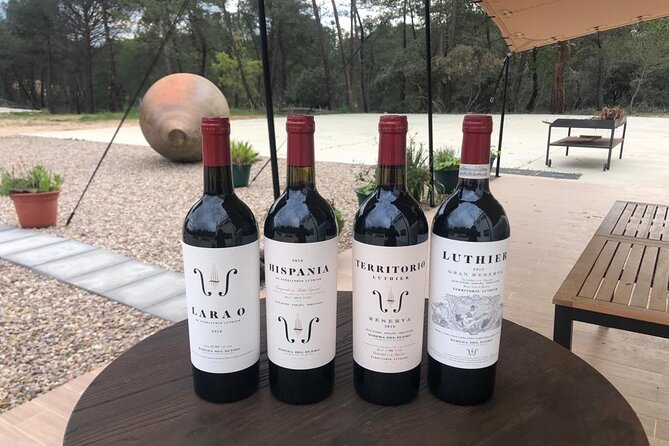
What you’ll drink is fairly clear. You’ll taste four red wines, usually moving through crianza and reserva styles (and sometimes tasting opportunities expand to include white or claret with the group). One specific highlight mentioned in the experience details: Hispania Reserva is aged in Spanish oak barrels. Even if you’re not a wine nerd, that kind of concrete info helps you catch the differences while you sip.
Time-wise, plan for a relaxed pace. The schedule gives you just enough time to do the production walk-through and then settle into the tasting area without it turning into a long haul. If you’re short on time in the Aranda de Duero area, this fits nicely.
From the production rooms to the vineyard choices
The tour starts at the winery’s own facilities, where you’ll move through the different production rooms. This is the part I like most, because it turns the visit into more than a simple tasting stop. Instead of only hearing what the wines are like, you see the steps behind them.
Expect a walkthrough that includes:
- the work tied to their viticulture choices
- how they work with varieties of strains in danger of extinction
- the fermentation tanks
- the kinds of wood used for aging
Why this matters for you: when you know what happens before bottling, you taste with purpose. You’re less likely to say the wine is good or not-so-good in a vague way. You can connect flavors to decisions—like whether the wine was influenced by specific oak types or how the fermentation process shapes texture and aromatics.
Also, this kind of small winery focus can make the conversation more direct. In wineries that run on big, standardized tours, you sometimes feel like you’re watching a script. Here, the experience is presented as a distinct project, not a factory routine.
If you’re the sort of person who likes to ask questions, this tour format gives you space to do that. With a group size capped at 9, it’s not you shouting over background noise while everyone rushes to the next room.
Fermentation tanks and the practical science of flavor
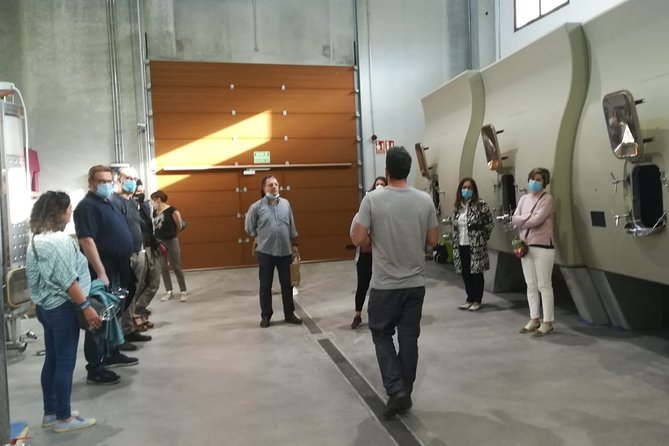
A winery tour can either be poetic or useful. This one leans useful. The walk includes time around the fermentation tanks, which are where the early personality of a wine really begins forming.
You might notice how this part of the process is described in plain language: not just what happens, but why winemakers care. Even if the technical steps aren’t explained like a textbook, you get enough context to understand what you’re likely to experience later—how the wine feels on the palate and what kind of aromas you might notice first.
Why you’ll enjoy this section: fermentation is one of those behind-the-scenes phases most visitors never see. If you’ve ever wondered why two red wines can taste completely different even when they look similar in the glass, fermentation choices are one of the main reasons.
And since you’re also going to do tasting right after, you get a quick “before and after” learning loop. That makes the tour stick in your head.
Aging in unusual wood: where the wine picks up fingerprints
After the fermentation part, the tour shifts to aging, including the unusual types of wood where wines rest. This is another reason the visit feels more distinctive than a standard tasting.
Oak aging can affect:
- the balance of fruit and spice
- the way tannins feel
- the overall scent profile
So when your guide talks about wood types, you’re not just collecting trivia. You’re setting yourself up to taste differences across the four red wines. When you know the wine spent time in a certain wood style, you can track what that tends to do—without needing to memorize a long list.
One named example you can look forward to is Hispania Reserva, aged in Spanish oak barrels. Spanish oak tends to show up differently than other oak styles, and you’ll have a chance to compare it within the tasting lineup. Even if you don’t call out every nuance, you’ll likely notice the overall structure and the way it finishes.
The tasting area: four reds, snacks, and a real sense of pacing
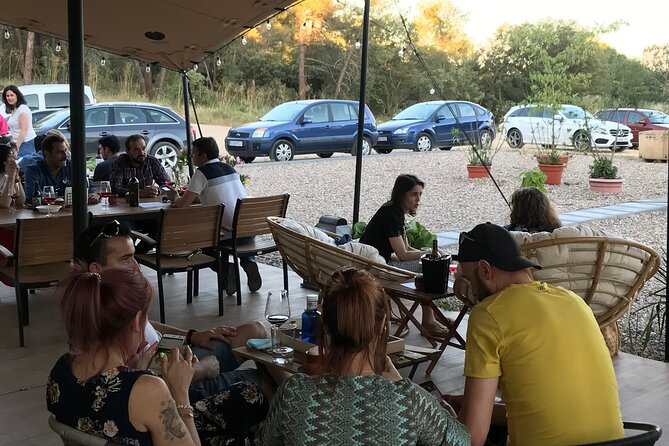
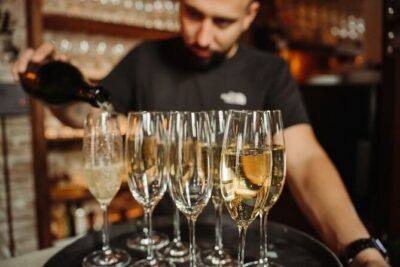
Once the production tour finishes, you’ll head to the tasting area for wines made in the winery—especially crianza and reserva wines. The tasting includes snacks, which I’m glad about. When you’re tasting multiple reds, a little food helps keep your palate clear and makes the experience more comfortable.
Here’s what the tasting is built around:
- Four red wines are tasted, normally from crianza and reserve categories
- On some occasions, there’s a chance to taste white and claret with the group
- You’ll be served with a setting that pairs the pours with the snack rhythm, not a rapid-fire sequence
What I like about this setup: you’re not just sampling. You’re tasting in a way that mirrors how these categories are meant to be understood. Crianza and reserva aren’t only “younger vs older.” They represent different approaches to aging, texture, and depth.
Also, the pacing is part of the value. This is about 2 hours total, which is long enough for meaningful learning and comparison, but short enough that you don’t feel fried halfway through.
Buying wine: small-batch reality and what to do with it
This is one of those tours where you’ll likely feel tempted to buy a bottle on the spot. That’s normal. But it’s worth knowing what to expect before you get to the tasting.
Because it’s a small bodega, the bottle prices can be higher than big-volume producers. That isn’t automatically a bad sign. It usually reflects smaller production runs and careful work across the process. Still, it can hit your budget faster than you expect when you’re enjoying the wines and learning the story behind them.
My practical advice: if you plan to buy, decide in your head before the last pours. Choose based on what you liked most after you’ve compared categories. And if you’re not sure, ask a few questions during the tasting—because knowing what makes one bottle distinct helps you buy with confidence, not impulse.
If you end up buying to take away, remember this is a winery visit in a wine region. You’ll want to handle transport of bottles carefully, especially if you’re also doing other stops later.
Price and logistics: what’s included, what’s not, and how to plan
Let’s talk about the money and how it fits into a day.
You pay $36.28 for:
- the winery tour through production rooms
- the tasting with snacks
You don’t pay for private transportation. That matters because the meeting point is at Hotel Montermoso in Aranda de Duero. The experience starts there and ends back there.
So the practical planning question is simple: will you already be in Aranda de Duero, or will you need to get there? If you’re staying nearby, this tour is easy to plug into your schedule. If you’re coming from further out, you’ll want to arrange transport ahead of time so the day doesn’t feel stressful.
Also, build in arrival slack. Even when everything is supposed to run smoothly, delays happen. One participant described being an hour late due to getting lost, but the winery still worked to provide the tour. That’s reassuring, but I wouldn’t count on a rescue every time. Give yourself buffer time so you can start the tour fresh.
Who should book this winery experience (and who might skip it)
This Territorio Luthier experience is a great match if:
- you like seeing how wine is made, not only tasting it
- you want to learn about viticulture choices, including varieties linked to conservation
- you enjoy a smaller group experience where questions don’t feel rushed
- you’re curious about wood aging beyond the basic story
You might think twice if:
- you mainly want a quick tasting with minimal walking through production spaces
- you’re only interested in whites or claret and don’t want any chance of tasting being red-focused (the standard tasting is four reds; other styles depend on the day)
- you need transport solved for you, because the tour doesn’t include private transportation
FAQ
FAQ
How long is the Territorio Luthier winery visit and tasting?
It runs for about 2 hours.
How much does the experience cost?
The price is $36.28 per person.
What’s included in the price?
You get snacks and wine tasting, along with the winery tour through the production areas.
Is transportation included?
No. Private transportation isn’t included.
How many people are in the group?
The tour has a maximum of 9 travelers.
What language is the tour offered in?
The experience is offered in English.
What wines do you taste?
You taste four red wines, normally from crianza and reserve categories. On some occasions, white and claret may also be tasted together with the group.
Is Hispania Reserva part of the tasting?
Yes. Hispania Reserva is aged in Spanish oak barrels.
Where does the tour start and end?
It starts at Hotel Montermoso in Aranda de Duero and ends back at the same meeting point.
Can I cancel if my plans change?
Yes. You can cancel for a full refund up to 24 hours before the experience’s start time.
Should you book Territorio Luthier?
If you care about what happens before wine gets poured, book it. This isn’t just a tasting room stop—it’s a tour through the parts of winemaking that shape flavor: viticulture choices (including varieties tied to conservation), fermentation, and aging in different woods. Add in the fact that it’s a small group and the tasting is clearly structured around crianza and reserva, and you get a lot of value for the time.
I’d especially recommend it if you’re already based in Aranda de Duero or can easily reach Hotel Montermoso. If your schedule is tight and you want a focused, no-nonsense two hours with wine education you can taste right away, this is a strong pick.