REVIEW · TENERIFE
Tacoronte: Guided Winery Tour with Wine and Cheese Tastings
Book on GetYourGuide →Operated by Bodegas Monje · Bookable on GetYourGuide
Volcanic wine and goat cheese in El Sauzal. This guided stop at Bodegas Monje is a tight, 2-hour slice of Canary Islands winemaking, with a guided look at the estate and a four-part wine-and-cheese flight.
I really like the way the tastings connect to place: you get the Familia Monje story, the vineyard setting, and the idea of volcanic terroir in plain language. I also love the pairing lineup, especially the Hollera carbonic maceration matched with smoked goat cheese. The main drawback to plan for is pace: some groups feel the guide moves quickly, so if you want slow, heavy wine education, you may want to ask questions early.
In This Review
- Key highlights
- Bodegas Monje: what makes this El Sauzal winery visit special
- Canary wine and volcanic soil: how the tastings start to make sense
- The 2-hour flow at Bodegas Monje: what happens from check-in to final sip
- The star act: four Canary wines paired with four island goat cheeses
- Dragoblanco (young white) with fresh goat cheese from Tenerife
- Hollera (red) with smoked goat cheese from La Palma
- Monje Tradicional (young red) with semi-cured peppery goat cheese from Fuerteventura
- Listán Negro (barrel-aged red) with cured goat and sheep milk cheese from Gran Canaria
- Guide pace and language: Spanish and English, with one key tip
- Lunch, shopping, and how to make your time worthwhile
- Price and value: is $41 fair for 2 hours of tastings?
- Who this Tenerife wine-and-cheese tour suits best
- Should you book this Bodegas Monje wine tour?
- FAQ
- Where is the meeting point for this winery tour?
- How long is the tour?
- What languages is the tour guide available in?
- Are there different English tour times on weekends?
- What’s included in the ticket price?
- Is the tour wheelchair accessible?
Key highlights
- Bodegas Monje, family-run since 1750, with hands-on cellar time and estate history
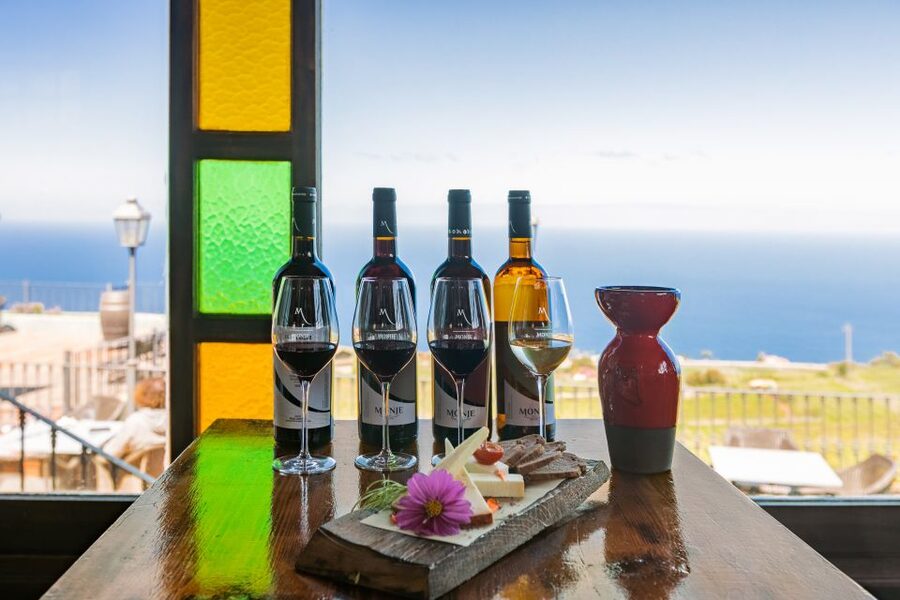
- Four Canary wines + four artisan cheeses, paired as a structured tasting flight
- Volcanic-soil grape explanations that make the wines easier to understand
- Hollera carbonic maceration with smoked goat cheese from La Palma
- Island-to-island cheese variety: Tenerife, La Palma, Fuerteventura, Gran Canaria
- Two-hour format that fits well between other Tenerife plans
Bodegas Monje: what makes this El Sauzal winery visit special
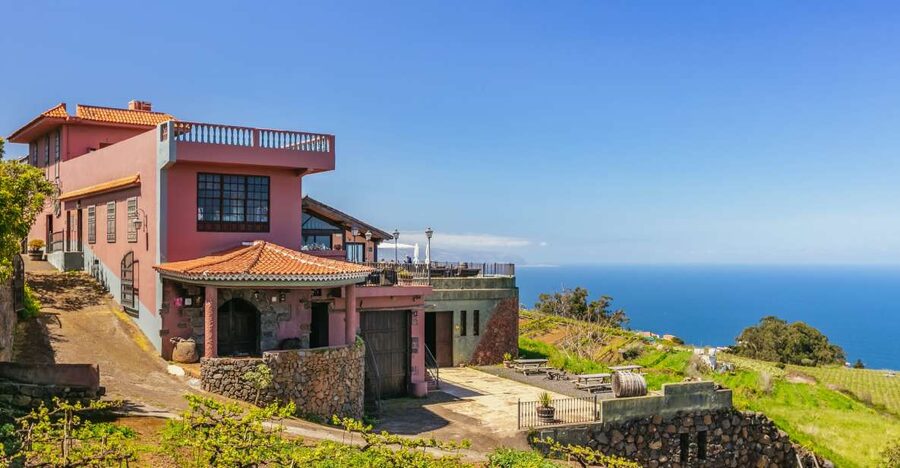
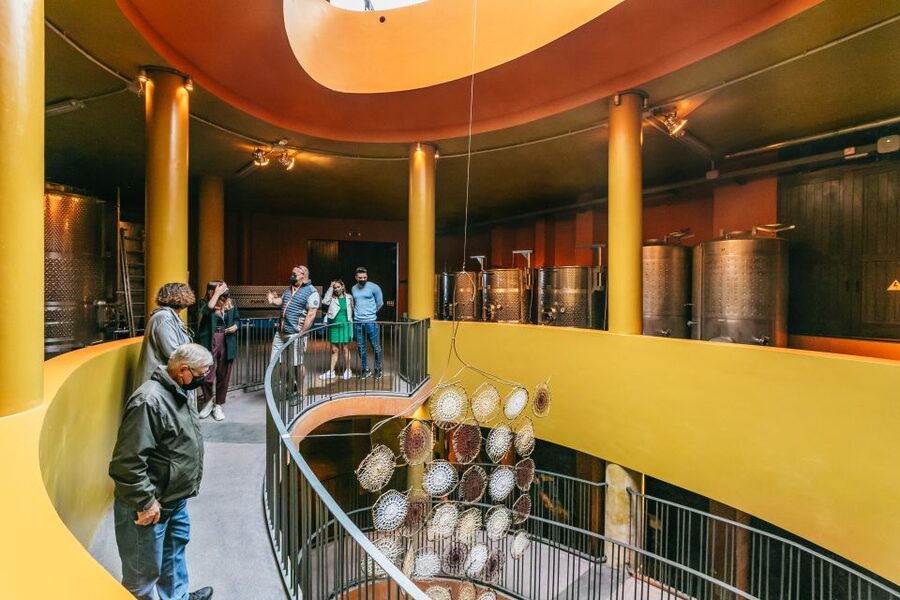
I like this tour because it feels like a real working estate, not a themed set. Bodegas Monje has been operating since 1750, and the guide frames what you see through the long view of the Familia Monje vineyards.
The location helps too. You’re in El Sauzal, with the kind of outdoor views that make you understand why people built wineries here in the first place. Even when the tour shifts indoors, the sense of place stays with you.
Another practical plus: the visit is wheelchair accessible, and the overall flow is not physically demanding. Several people describe the experience as easy to handle, with viewpoints and cellar areas rather than long hikes.
One more thing I’d underline for your expectations: you’re going for wine-and-cheese quality and context, not an extended walking tour through every vineyard row. If you’re hoping for lots of field time, you might feel the route is more compact than you imagined.
You can also read our reviews of more tours and experiences in Tenerife.

Canary wine and volcanic soil: how the tastings start to make sense
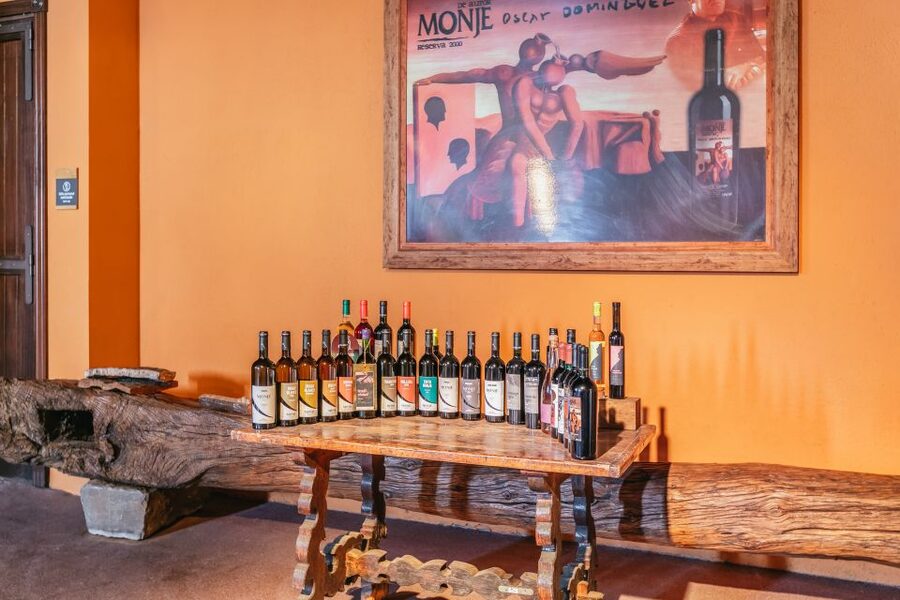
Canary wine can feel confusing at first because it’s not chasing the same grape and climate story as mainland Spain. Here, you’ll get the basics of how the grapes in volcanic soil shape taste and style, and why that matters for what’s in your glass.
This matters more than it sounds. When you understand the vineyard conditions, the flight stops being random sipping. You can start spotting patterns, like why certain wines lean fresher or fruit-forward, or why the pairing with goat cheeses feels so logical rather than accidental.
The guide also ties the wines back to the estate’s tradition. The goal is to give you a mental map: what the family grows, how the winery works, and how those choices show up in the glass. If you’re new to Canary wine, that mapping is what helps you enjoy the tasting instead of just collecting samples.
Also, you’ll be able to taste the difference between styles within the flight itself: a young white, multiple young reds, and one barrel-aged red. That variation is a big part of why this isn’t boring even if you’re not a hardcore wine nerd.
The 2-hour flow at Bodegas Monje: what happens from check-in to final sip
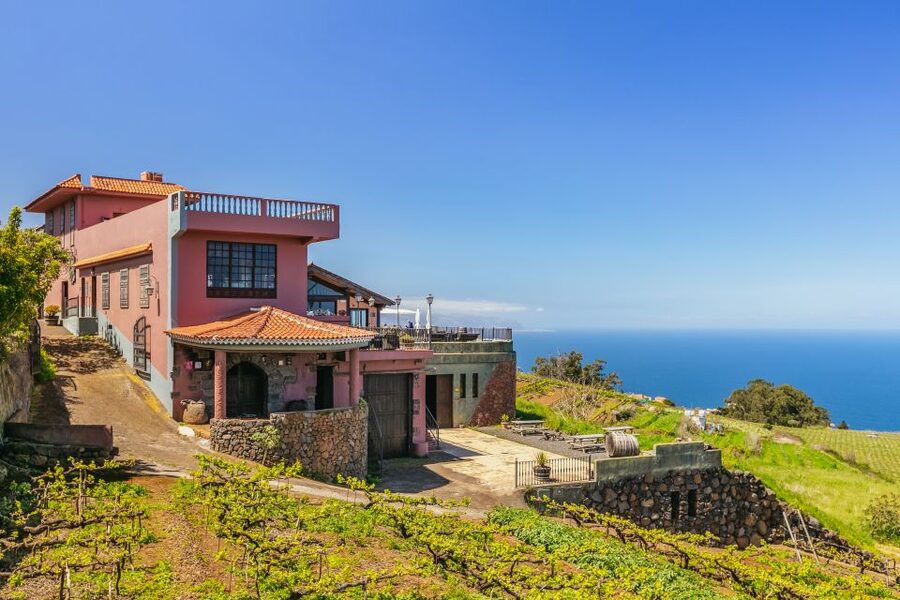
You meet at Bodegas Monje – El Sauzal – Tenerife, and the tour is designed to run about 2 hours. The “real time” value here is that it’s long enough to feel like you learned something, but short enough that you’re not locked into the whole day.
The pacing usually goes like this:
- You’re greeted by the guide and start with the winery context and family history.
- You then move into the winery tour portion, where you see production areas and learn how the grapes become wine.
- After that, you shift into the four-wine, four-cheese tasting.
A few people note the cellar portion and tour components can feel quick, and that the group may spend more time at viewpoints and production spaces than walking through vine rows. So if you’re the type who likes photo stops every 30 seconds, or you want a long field explanation, come ready to enjoy the tasting and the story rather than expecting a long outdoor trek.
One detail worth planning around: the tour runs with a live guide in Spanish and English. On Saturdays and Sundays, the English tours are at 11:00 AM and 4:00 PM. If you’re traveling on a weekend and you want English, build your schedule around those times.
Finally, remember that the tasting includes the wines and cheeses, but extra food and drinks are not included. If you want lunch, you may need to plan for it separately.
The star act: four Canary wines paired with four island goat cheeses
The pairing is the main reason I’d do this tour. It’s not “here’s cheese” and “here’s wine” as two separate experiences. The wines and cheeses are presented as a sequence, and each match is meant to highlight something in both.
Here are the four pairings you’ll taste:
Dragoblanco (young white) with fresh goat cheese from Tenerife
You begin with a younger, fresher side of the lineup. Dragoblanco, a young white, pairs with fresh goat cheese from Tenerife. This opening pairing is usually the easiest entry point because both elements tend to feel clean and bright, and you can start recognizing how acidity and freshness interact with dairy.
If you don’t know what to look for, this is the one to pay attention to. Fresh cheese tends to make the wine taste fruitier and smoother, and it helps you reset your palate before the reds.
You can also read our reviews of more wine tours in Tenerife
Hollera (red) with smoked goat cheese from La Palma
Next is the tasting that gets people talking: Hollera, a red wine described as using carbonic maceration, paired with smoked goat cheese from La Palma.
Carbonic maceration often translates into a fruitier, more lifted red profile (less heavy extraction feel, more bright character), and the smoked cheese has the kind of smoky depth that can either overpower or harmonize. Here, it’s presented as a deliberate match, so you can experience how smoke and red fruit can work together instead of fighting.
This is one of the most “Canary-specific” moments of the flight because it connects technique (carbonic maceration) with island character (smoked goat cheese).
Monje Tradicional (young red) with semi-cured peppery goat cheese from Fuerteventura
Then you move into Monje Tradicional, a young red wine, paired with semi-cured peppery goat cheese from Fuerteventura.
Semi-cured cheese has more texture and a stronger savory edge than fresh. The peppery character adds spice and a bit of punch, which is why pairing it with a young red makes sense: the wine can hold its own, while the cheese adds complexity that you don’t get from milder dairy.
If you like a pairing where the cheese feels more assertive, this is the one.
Listán Negro (barrel-aged red) with cured goat and sheep milk cheese from Gran Canaria
The finish is red, barrel-aged Listán Negro, paired with cured goat and sheep milk cheese from Gran Canaria.
Barrel-aging often adds warmth and structure. Pairing that with cured cheese gives you something satisfying at the end: depth, saltiness, and a more mature flavor curve. This is also a good moment to slow down and taste instead of rushing, because by the final glass your palate will be more sensitive to differences in texture and acidity.
If you want one takeaway for your memory: you’re tasting how the winery and cheesemakers build pairings across multiple islands, not just multiple wines.
Guide pace and language: Spanish and English, with one key tip
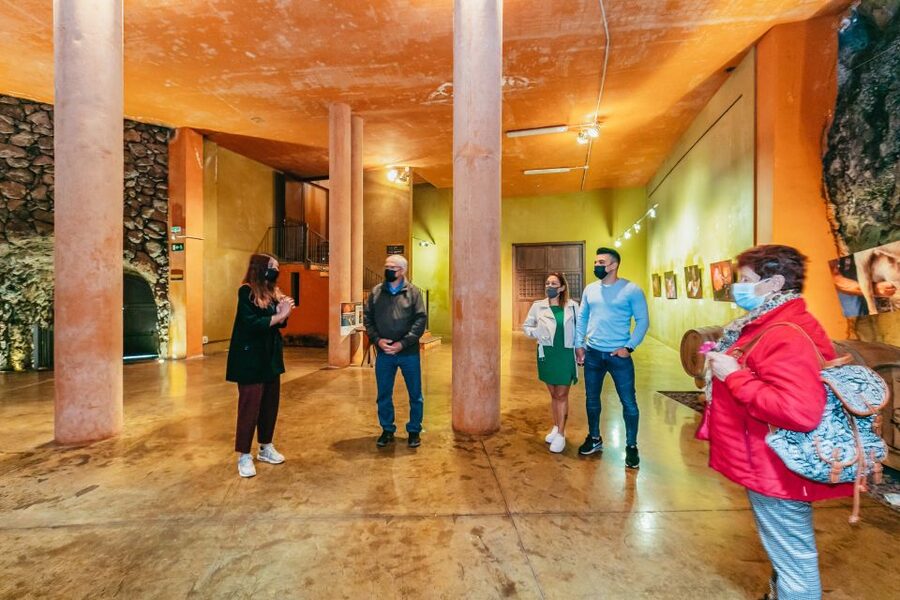
The guide experience can vary because everyone’s listening level varies. What you can control is how you show up.
The tour offers Spanish and English, but some people say the pace can be fast, even with decent English. If you’re aiming to learn wine terms and vineyard details, do yourself a favor: ask your question early, before the tasting begins. Once glasses are in hand, it’s harder to stop and re-focus.
The weekend timing note is also important. On Saturday and Sunday, English tours are at 11:00 AM and 4:00 PM. If you’re traveling for a single weekend window, don’t rely on flexibility.
On the guide front, you may encounter names like Natalia or Caleb, who have been cited as friendly, humorous, and clear in their delivery. If you get a guide who speaks quickly, it doesn’t automatically mean the information is bad. It just means you’ll get the most out of it by being ready to listen and ask.
Lunch, shopping, and how to make your time worthwhile
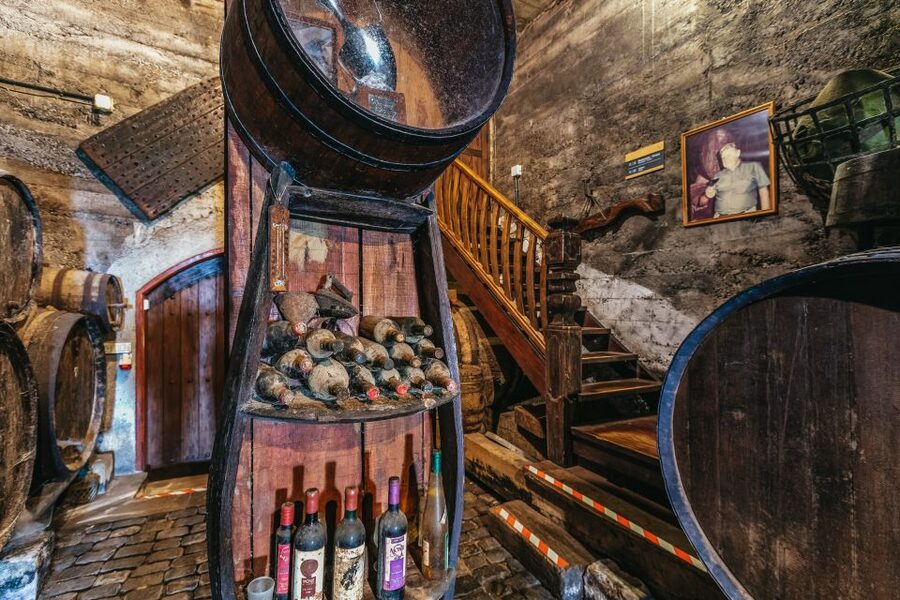
This winery isn’t only a tasting room. Many people stay longer for lunch, and one practical heads-up is that the restaurant can get busy. If you’re thinking of extending your visit, plan to reserve ahead.
There’s also a wine shop on site, and several visitors mention buying bottles after the tasting. That’s a smart move if you find a wine you truly like, because it’s one less thing to pack awkwardly later.
For transport, you should also think ahead. If you’re coming from a cruise port, one example reported a €45 taxi from the port, and staff helped organize the return. That doesn’t guarantee your cost, but it’s a realistic check: plan for transportation time and don’t assume it’s walkable from every Tenerife base.
Even if you skip lunch, give yourself a little buffer time after the tasting. The property views are a big part of why people remember this stop.
Price and value: is $41 fair for 2 hours of tastings?
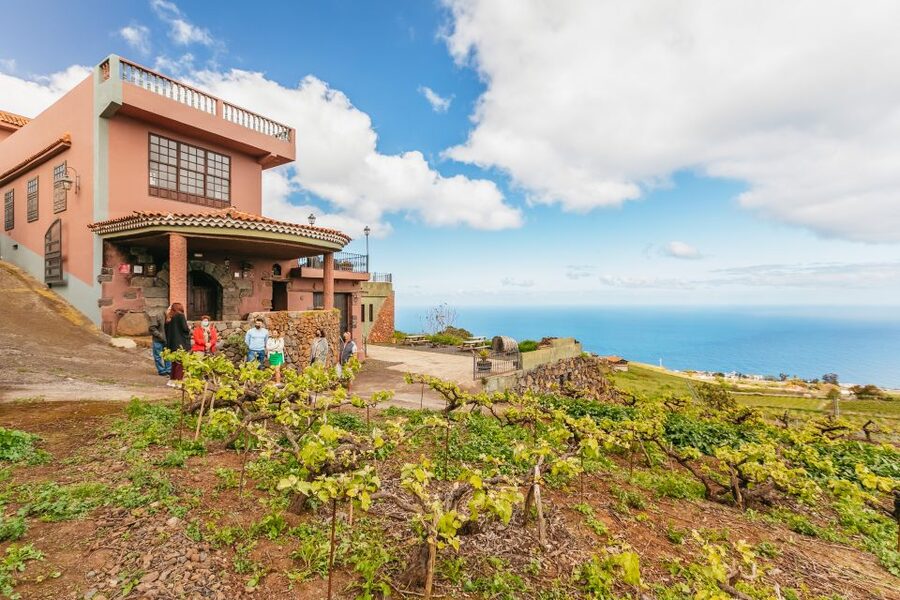
At $41 per person for a 2-hour guided experience, the value hinges on what’s included. In this case, you’re not just paying for access to a building. You’re paying for the wine-and-cheese flight: four wines and four types of artisan cheese.
That matters because tastings at wineries often add up fast when you start paying separately for each pour and each food pairing. Here, the price is bundled around a cohesive theme: Canary wine style plus artisan cheese from multiple islands.
You do need to note what’s not included: additional food and drinks. If you want lunch or want to keep ordering more, set aside extra budget.
Overall, for a short Tenerife slot, this is a strong deal if you like wine and you appreciate pairings that actually follow a logic. If you’re the type who wants a long, slow, vineyard-walk experience, the timing may feel tight. But if you want quality tastings with context, it’s priced like a smart “do it now” activity.
Who this Tenerife wine-and-cheese tour suits best
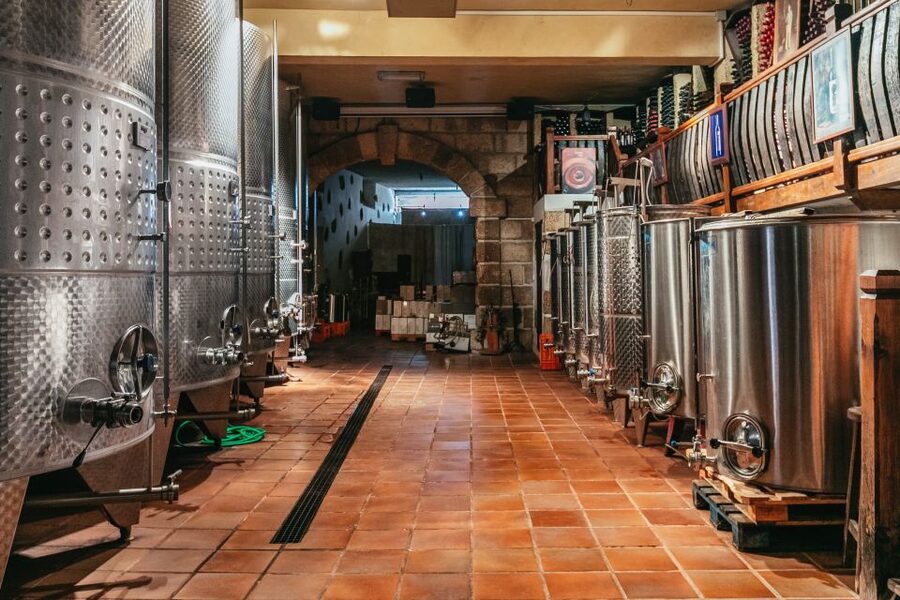
I’d book this if you want a Canary Islands wine introduction that doesn’t feel generic. The focus on volcanic terroir, family vineyard tradition since 1750, and specific wine techniques like carbonic maceration makes it a better match for people who want to learn something practical, not just drink.
It also works well if you’re traveling solo or in a small group. People have described it as fun and informative for individual travelers because the guide keeps things approachable and the format stays structured.
If your drink style is “give me something different,” you’ll like the way the flight moves across islands and cheese styles. Fresh goat cheese, smoked goat cheese, peppery semi-cured cheese, then cured goat and sheep milk cheese: it’s a guided palate tour.
And if you’re not a wine expert, that’s fine. The guide covers the process and the wines, but be ready for the pace.
Should you book this Bodegas Monje wine tour?
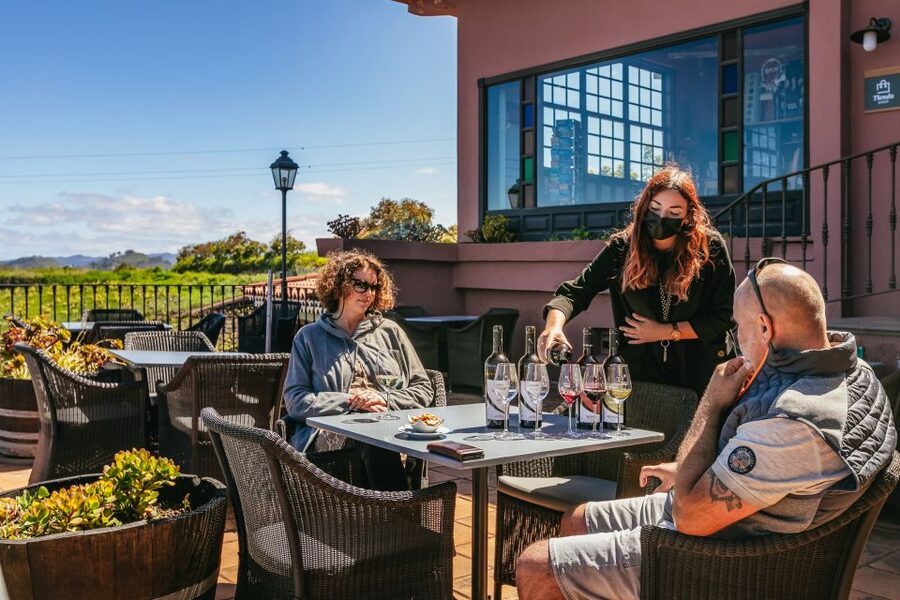
Book it if you want a 2-hour Tenerife tasting that’s built around real pairings, not random samples. The combination of family-run history, volcanic wine context, and the four-part flight (Dragoblanco, Hollera, Monje Tradicional, Listán Negro) makes it a solid use of time in the north.
Skip or reconsider if you mainly want a long vineyard walk and a very slow, deeply technical class. This visit is more compact and tasting-forward, with estate and cellar time doing most of the work.
If you’re aiming for a memorable bite-sized experience in El Sauzal, this one earns its place.
FAQ
Where is the meeting point for this winery tour?
The meeting point is Bodegas Monje – El Sauzal – Tenerife.
How long is the tour?
The tour duration is 2 hours.
What languages is the tour guide available in?
The live tour guide speaks Spanish and English.
Are there different English tour times on weekends?
Yes. On Saturdays and Sundays, English tours run at 11:00 AM and 4:00 PM.
What’s included in the ticket price?
Your ticket includes wine and cheese tastings.
Is the tour wheelchair accessible?
Yes. The tour is listed as wheelchair accessible.