REVIEW · SALOU
Salou: Easy Bike Tour with Wine Tasting
Book on GetYourGuide →Operated by B54347869 · Bookable on GetYourGuide
You get the views first, then the wine. This easy Salou bike tour with wine tasting rolls you from beach town to the Priorat countryside for a relaxed ride and a visit to a family winery.
I love that it’s designed for all abilities with no hard pedaling, and you’re kitted out with a helmet, vest, and water. The second big win is the wine side: you’ll tour the vines and the cellar, then taste two award-winning bottles in a proper winery setting.
One consideration: food isn’t included, and the wine tasting is strictly adult focused—so plan your snacks and don’t expect non-alcohol options.
In This Review
- The Grape Escape Tour: What Makes It Worth Your Morning
- Key Points You’ll Actually Care About
- From Salou Pickup to Countryside Roll-Down: How the Day Starts
- The 13-km Downhill Bike Ride: Easy, Scenic, and Still Real Cycling
- Vineyard Time: Learning How the Grapes Get Made
- The Family Winery Visit (Around 300 Years Old): Tradition You Can Walk Into
- Wine Tasting With Two Award-Winning Vintages: What You’ll Drink and Why
- Timing and Pace: Why 4.5 Hours Works So Well
- Who This Tour Is Best For (And Who Should Skip It)
- Money Value: Is $60 a Good Deal?
- What to Bring (So the Tour Feels Smooth)
- Should You Book the Easy Bike Tour With Wine Tasting?
- FAQ
- FAQ
- How long is the Salou bike tour with wine tasting?
- Is the ride uphill or downhill?
- What’s included in the price?
- Is food included?
- How many wines do you taste?
- What language is the tour guide?
- Where does pickup happen?
- Do you allow children?
- Is the tour suitable for people with mobility issues?
- What should I bring and wear?
The Grape Escape Tour: What Makes It Worth Your Morning
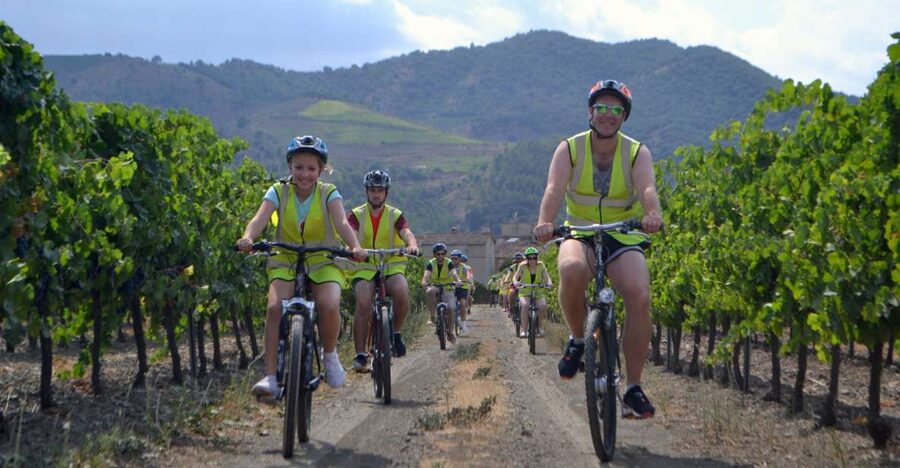
If you’re in Salou and you want a break from the crowds, this ride is a smart swap. You start with an easy roll on tarmac roads through vineyard country, then finish at a long-running, family-run winery where the talk is practical and hands-on. It’s the kind of day that feels like two good plans stitched together: cycling for the scenery, then wine for the culture.
The guides matter here. In tours run by Kathrin and Manfred, the vibe is friendly and safety is taken seriously—while still keeping the mood relaxed. That balance is what makes the “easy downhill” concept work in real life: you’re moving fast enough to feel the thrill, but not so much that you’re white-knuckling the bars the whole time.
Key Points You’ll Actually Care About
- Easy 13-km downhill on quiet tarmarc roads, not a workout challenge
- Minibus transfer from Salou area so you start at the right height
- Vineyard learning stop focused on grape growing and how the cycle works
- 300-year-old family winery visit with a traditional wine-making walkthrough
- Two award-winning wines tasted as part of the guided tasting
- Small-group feel with English-speaking guides like Kathrin and Manfred
From Salou Pickup to Countryside Roll-Down: How the Day Starts
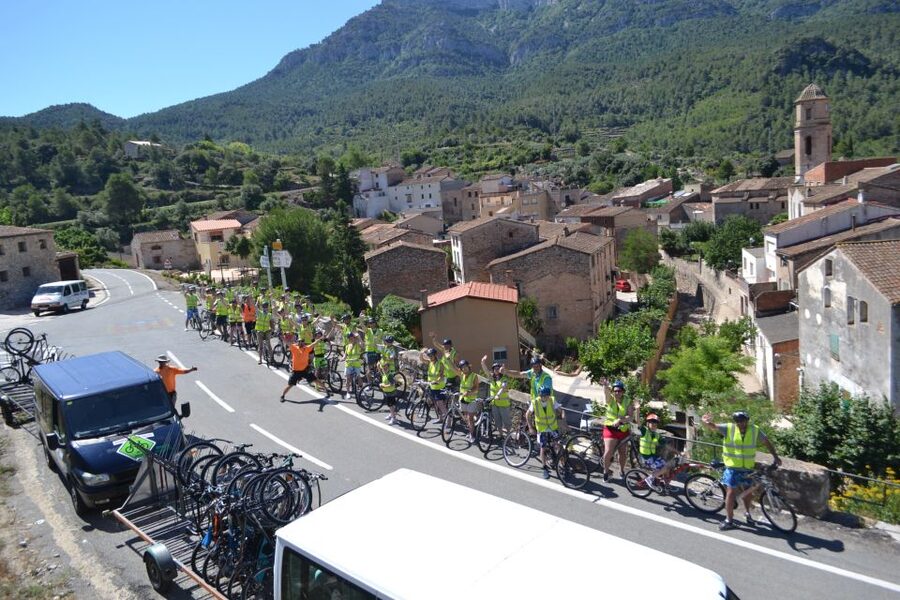
This tour runs about 4.5 hours, and it begins with resort pickup and drop-off in Salou (plus Cambrils and La Pineda). After pickup, you transfer by minibus to the start area. That part is important: downhill cycling is only “easy” if you don’t spend the first hour sweating uphill in the heat.
Once you’re set up with your bicycle, helmet, high-visibility vest, and water, you’ll get a guide-led safety briefing and route orientation. One thing I’d prepare for mentally: the safety talk can take a few minutes, and some people find it a bit repetitive. Still, the payoff is that you spend the ride focused on steering and enjoying the countryside—not on guessing where to go.
Then it’s go time: free-wheeling, quiet roads, and an instant shift in scenery. You leave the beach behind and drop into rural Catalunya, where vineyards and open views replace the hotel strip.
The 13-km Downhill Bike Ride: Easy, Scenic, and Still Real Cycling
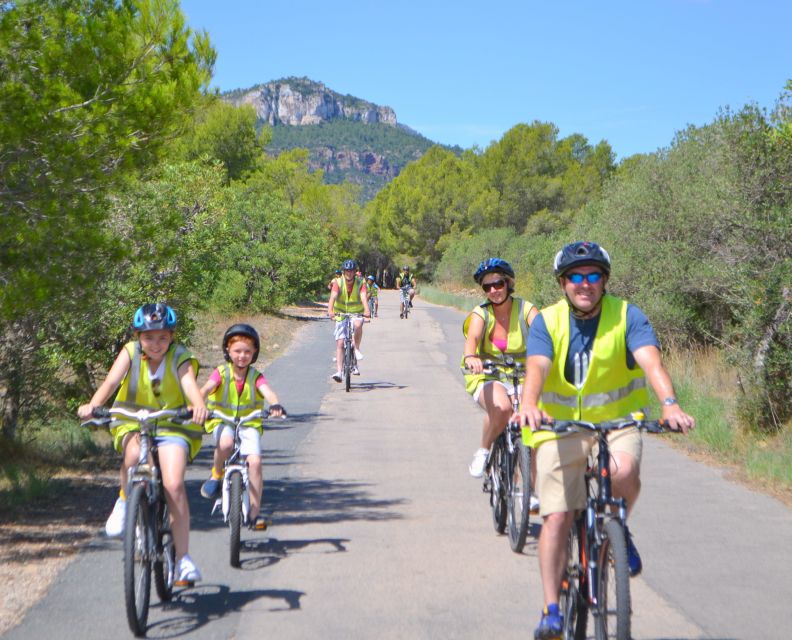
The bike portion is the headline: a 13-km downhill ride with “no hard pedaling” built into the plan. That usually translates to a stress-free afternoon for people who can comfortably control a bike, brake when needed, and follow instructions.
You’re on tarmarc roads—not dirt trails—so expect a smoother ride than what you’d get on farm tracks. The route passes through mountain and vineyard country of the Priorat region, which is exactly the kind of Catalan landscape you’d never fully see from the highway or from a winery visit alone.
Practical note: “easy” doesn’t mean “hands-off.” You still need basic bike comfort. If you’re the type who hates going downhill or has never managed brakes confidently, take that seriously and tell the guide during the safety briefing. The guides run this as a group activity, so they can coach your position and braking rhythm to keep you relaxed.
Vineyard Time: Learning How the Grapes Get Made
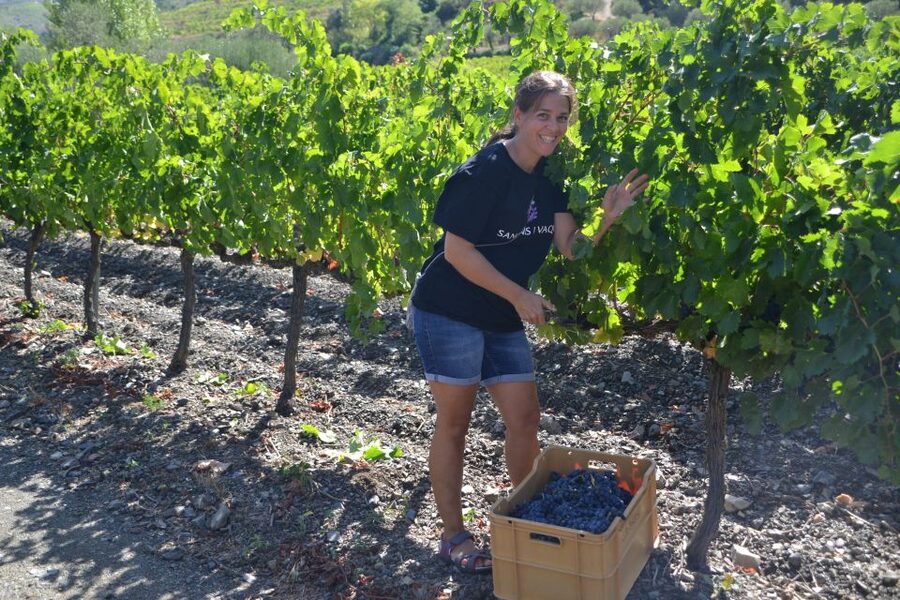
The tour doesn’t just drop you at the winery and pour wine. It includes a vineyard learning moment where you cycle through vines and get a clearer picture of grape growing. That’s valuable because it turns wine tasting into something you can understand.
Instead of treating the glass like a blind taste test, you’ll connect the basics: why vineyards look the way they do, how growers think about the vines, and what matters before fermentation ever happens. You’re not getting a textbook lecture. It’s more like “how the farm side works,” explained in a way that fits the pace of the afternoon.
This is also a good sensory stop. You’ll see the rows, notice how the land shapes the vines, and understand why this region produces wine with its own personality. If you’ve ever wondered why some wines taste earthier or more structured, this is where the answer starts.
The Family Winery Visit (Around 300 Years Old): Tradition You Can Walk Into
The big cultural moment is the winery stop: a 300-year-old, family-owned property. This is where the tour feels more grounded than a typical “show up, taste, leave” tasting.
Inside, you get guided storytelling and a look at the traditional wine-making process. That part matters because it gives context to what you’re about to sip. Even if you’re not a wine expert, you’ll understand the steps that shape the final flavor—how grapes turn into something meant to be shared and aged.
In some runs, you may meet winery staff such as Maria, who has been described as welcoming and ready to talk through how the place works. That kind of personal hosting is what makes a small family winery visit feel different from a big commercial operation.
Also, don’t expect a warehouse vibe. The whole point is heritage: real people, real routines, and a building with age that shows you how long wine has been part of local life.
Wine Tasting With Two Award-Winning Vintages: What You’ll Drink and Why
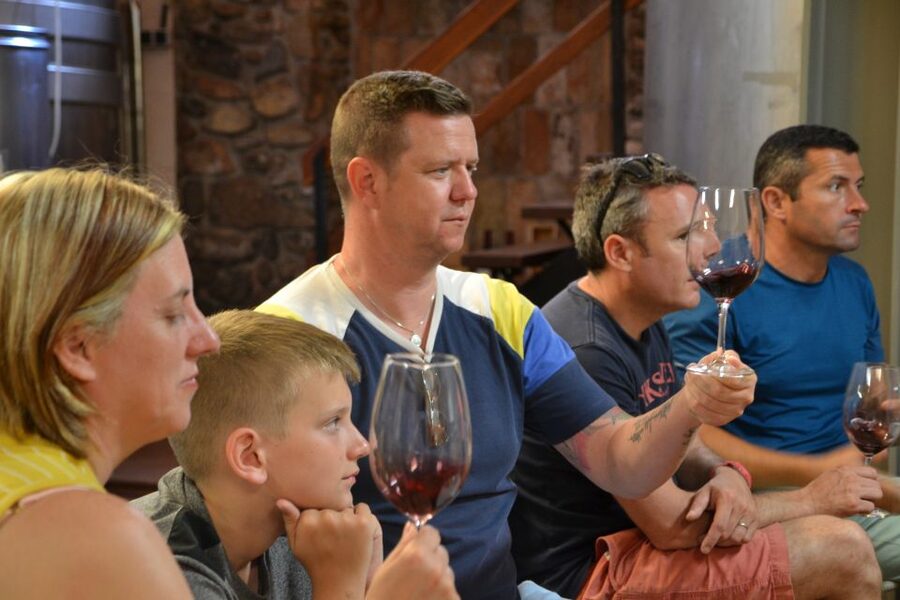
At the end, you’ll taste 2 award-winning vintages during the guided tasting for adults. This is not a free-for-all pour. You’ll be guided through the tasting as part of the visit, which helps you notice differences instead of just getting buzzed.
One bottle name that has come up in these tours is Monileo 2011. Since you taste two wines, it’s the kind of format where you can compare: notice aroma, then texture, then finish. You’ll likely pick up a better sense of how the region’s grapes express themselves.
Pricing note: yes, wine can be expensive. But the tour price isn’t only about the wine. You’re paying for bike transport and gear, a guided ride, the vineyard learning stop, and the winery guide plus tasting experience. That’s why the $60 per person can feel fair—especially if you’d otherwise pay for separate activities (bike rental + a tasting + transport).
Important: food isn’t included. If you arrive hungry, the wine tasting can feel even slower than you want. You may be able to buy small local items; one mention is locally produced hazelnuts available to purchase. Still, you should treat this day as a “cycling + culture + tasting” plan, not a full meal day.
Timing and Pace: Why 4.5 Hours Works So Well
A half-day tour is one of the smartest shapes for a holiday. You’re not wasting the whole day getting there and back, and you still finish early enough to do something else that evening—like eat in town or wander along the coast.
The cadence is also gentle by design:
- Pickup and transfer first
- Short cycling effort that feels more like gliding
- Vineyard stop for learning
- Winery visit for the process
- Tasting to wrap it up
If you like your days structured but not rushed, this hits that sweet spot.
Who This Tour Is Best For (And Who Should Skip It)
This is a great match if:
- you can ride a bike comfortably (even if you don’t love downhill cycling)
- you want something easy from Salou that still feels like real local life
- you enjoy learning a bit about food and farming, not only drinking
It’s less of a match if:
- you cannot ride a bike, even with guidance
- you have mobility issues or need wheelchair access (not suitable)
- you’re traveling with very young kids; it’s not suitable for children under the specified age guidance, and it’s designed for adults drinking in the tasting portion
One extra reality check: even though the tour is not aimed at tiny kids, one person noted an issue with a child being bored during the tasting because there weren’t kid-appropriate alternatives available. So if your plan includes kids, I’d think carefully about whether they’ll enjoy waiting around during the winery part.
Money Value: Is $60 a Good Deal?
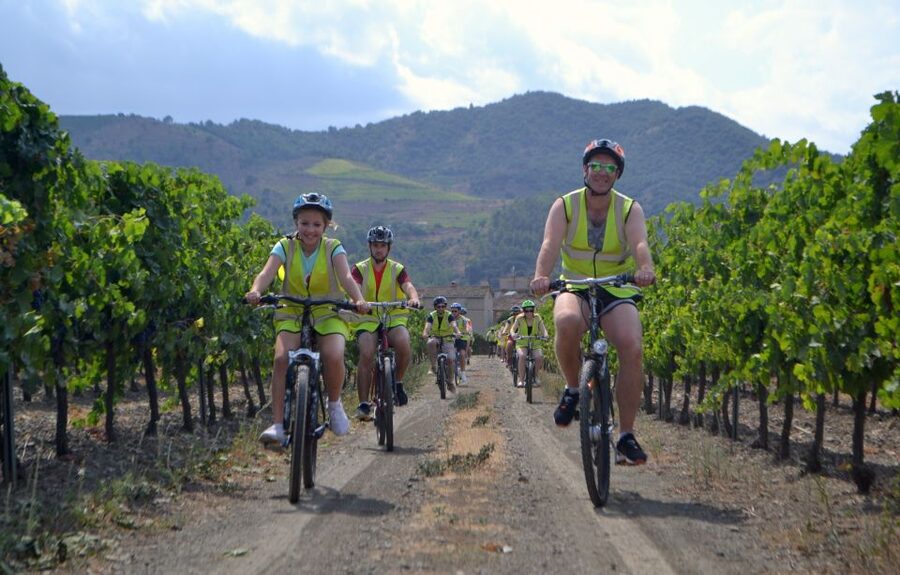
At $60 per person for about 4.5 hours, you’re getting a bundle. Here’s what’s included:
- resort pickup/drop-off
- bicycle, helmet, and high visibility vest
- water
- English live tour guide
- adult wine tasting
- vineyard and winery guidance as part of the experience
What you don’t get:
- food (you can buy small items such as hazelnuts)
So the value equation is simple. If you were to book separate activities—bike transport and rental, plus a guided tasting—this price starts looking like a reasonable shortcut. The only way it won’t feel worth it is if you’re the type who wants a full meal and multiple pours with no structure. This is planned around a tasting of two wines, not a long drinking session.
What to Bring (So the Tour Feels Smooth)
The basics matter because this is outdoors, in the sun, and on roads where you want solid footing:
- comfortable shoes (no flip-flops or sandals)
- sunglasses
- sun hat
- sunscreen
Also, don’t bring luggage or large bags. That keeps the ride and winery visit easy for everyone.
Should You Book the Easy Bike Tour With Wine Tasting?
I’d book this tour if you want a low-stress way to see the Priorat wine region from Salou—on wheels, with a real winery and a guided tasting that explains what you’re drinking. The combination of a short, downhill cycling route and a family winery visit makes it feel like more than just a tasting tour.
Skip it if you’re not comfortable controlling a bike downhill, if you need accessibility accommodations (it’s not suitable), or if you’re expecting food to be part of the package. For an adult-focused half-day with clear structure, it’s a strong choice.
FAQ
FAQ
How long is the Salou bike tour with wine tasting?
The tour lasts about 4.5 hours.
Is the ride uphill or downhill?
The cycling portion is a 13-km downhill ride designed for an easy pace, with no hard pedaling.
What’s included in the price?
You get resort pick-up and drop-off, a bicycle, helmet, high visibility vest, water, and wine tasting for adults.
Is food included?
No. Food is not included, though locally produced hazelnuts may be available to buy.
How many wines do you taste?
You taste 2 award-winning vintages.
What language is the tour guide?
The live tour guide speaks English.
Where does pickup happen?
Pickup is included in Salou, Cambrils, and La Pineda.
Do you allow children?
This tour is not suitable for children under 18 months (and it also notes children under 2 years as not suitable).
Is the tour suitable for people with mobility issues?
It’s not recommended for people with mobility issues, and it’s not suitable for wheelchair users.
What should I bring and wear?
Bring comfortable shoes, sunglasses, sun hat, and sunscreen. Sandals or flip-flops are not allowed, and you can’t bring luggage or large bags.