REVIEW · GERMANY
Reil, Mosel: Guided organic wine tasting and cellar tour
Book on GetYourGuide →Operated by Weingut Arns · Bookable on GetYourGuide
Organic wine gets easier when someone shows you why. In Reil’s Mosel valley, I love that this is a hands-on guided tour of organic vines and a modern cellar, then you taste the results right away with 4 to 5 handcrafted organic wines. One thing to consider: it’s a focused 2-hour visit, so it’s not a long, multi-course wine-food experience.
The guide at Weingut Arns (including bilingual explanations in English and German) keeps things practical, not preachy. You’ll hear clear answers to the big questions—how biological diversity connects to wine, why soil matters, and whether wine can be grown sustainably—and you’ll see it with your own eyes on the vine slopes.
If you like learning while you drink, this is a fun way to spend an afternoon in Rhineland-Palatinate. You’ll want comfortable shoes, because a vineyard walk is part of the deal.
In This Review
- Key highlights you’ll notice right away
- Organic wine in the Mosel: why this tour feels practical
- Finding your way to Weingut Arns (Blue Flag, Kringstraße 36)
- The vineyard walk: 1 hour of organic vines and real answers
- Step inside the modern cellar (and see where the wine is made)
- Wine tasting: 4–5 organic bottles, including traditional-method sparkling
- Price and value: what $29 buys you in Reil
- What you’ll learn about soil, diversity, and sustainability
- Who should book this organic wine tour at Weingut Arns
- A balanced reality check: what the tour is not
- Should you book the Reil, Mosel organic wine tasting and cellar tour?
- FAQ
- How long is the guided organic wine tasting and cellar tour?
- What does the tour include?
- How many wines will I taste?
- Are there both red and white wines?
- Is there sparkling wine in the tasting?
- What is the meeting point for the tour?
- What languages is the tour offered in?
- Is the tour wheelchair accessible?
- Can I cancel if my plans change?
- Is it possible to book without paying right away?
Key highlights you’ll notice right away
- Organic vines you can actually inspect, not just “trust the label”
- Meet the people behind Weingut Arns and ask real viticulture questions
- Vineyard plus cellar tour with a modern winery look
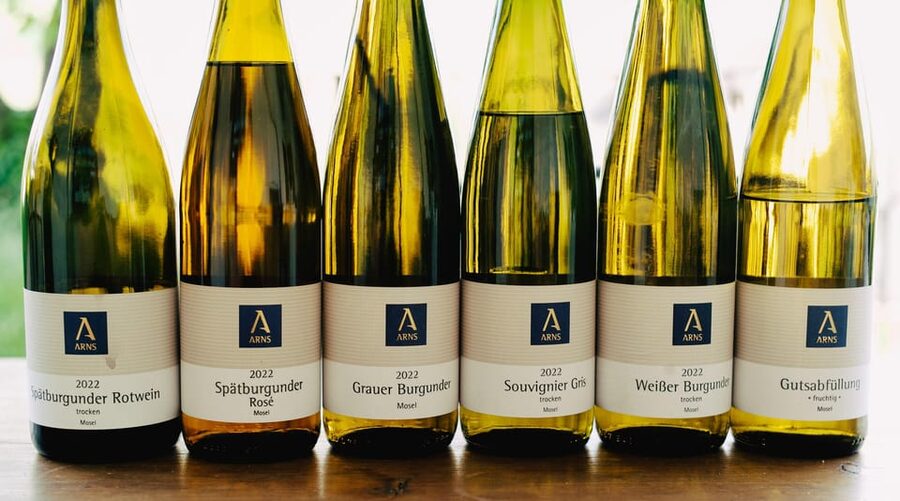
- Tasting 4–5 organic wines, including still whites, reds, and traditional-method sparkling
- Bread and water included, so the tasting stays comfortable and easy to pace
Organic wine in the Mosel: why this tour feels practical
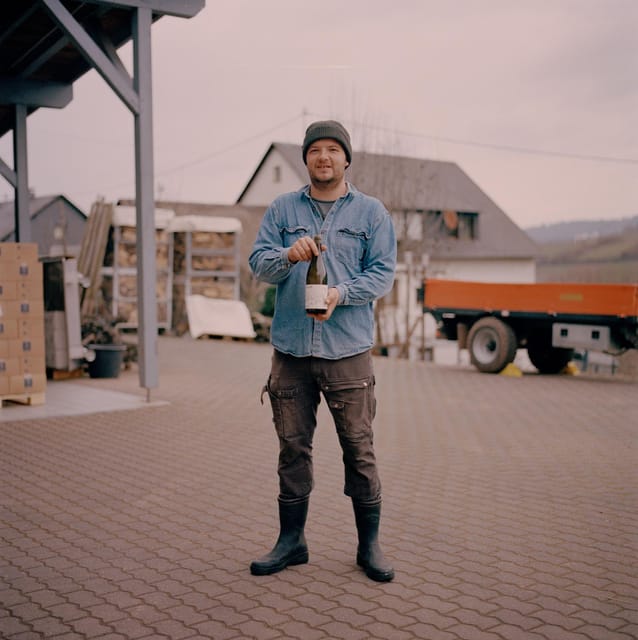
The Mosel is famous for grape growing on steep slopes, and this experience leans into what you can learn from that reality. You’re not just getting a sales pitch. You get answers to how organic viticulture works on the ground—how vines are managed, how the vineyard ecosystem is supported, and how those choices can show up in the glass.
The tour frames three connected ideas you’ll likely keep thinking about after you go. First: biological diversity isn’t decoration. It affects the living system around the vines. Second: soil influences wine quality in ways you can’t fake. Third: sustainable wine growing is possible—but it has trade-offs, and you get to hear those plainly from a working family winery.
This is the sweet spot for me: you leave with a story you can taste.
Finding your way to Weingut Arns (Blue Flag, Kringstraße 36)
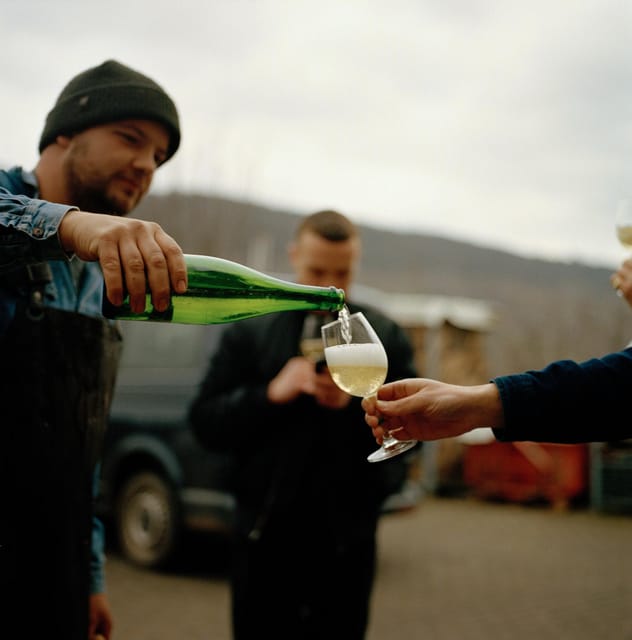
Your visit starts at Kringstraße 36, at Arns Winery, marked by the Blue Flag. That matters more than it sounds, because small wineries don’t always look like classic tourist attractions. Plan to arrive with enough time to orient yourself before the group sets off for the vineyard.
Once you’re there, you’ll feel the difference right away. This isn’t a distant viewing platform. It’s a working place, with a clear rhythm: walk, talk, taste.
The vineyard walk: 1 hour of organic vines and real answers
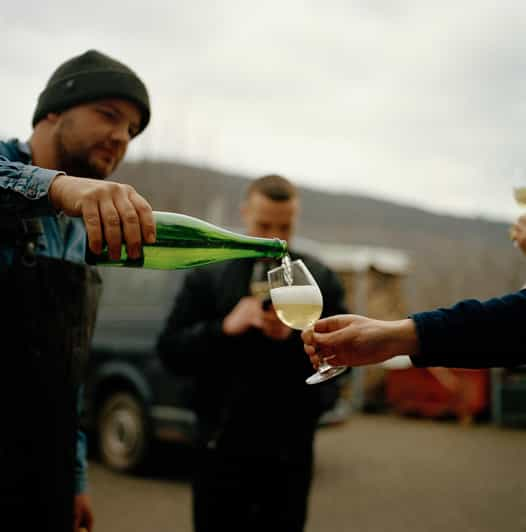
The first big chunk is a guided vineyard tour lasting about 1 hour. You’ll see how organic winegrowing looks in practice—what the vines and vineyard systems look like when they’re managed with organic methods.
The best part here is that the explanations are tied to what you’re seeing. Questions you’ll hear addressed include how biological diversity links to winegrowing, what soil changes can influence the wine, and how sustainability fits into day-to-day decisions on a real property.
This is also where the guide’s English and German switching becomes useful. In mixed-language groups, not everyone wants to stop the conversation every time someone asks a question. The approach here helps you stay part of the discussion instead of waiting for a translation reset.
From the reviews, one name comes up again and again: Alexander. People praise how he brings both knowledge and enthusiasm, and you can feel that when questions get answered in a way that connects back to the vineyard—not just wine theory.
Step inside the modern cellar (and see where the wine is made)
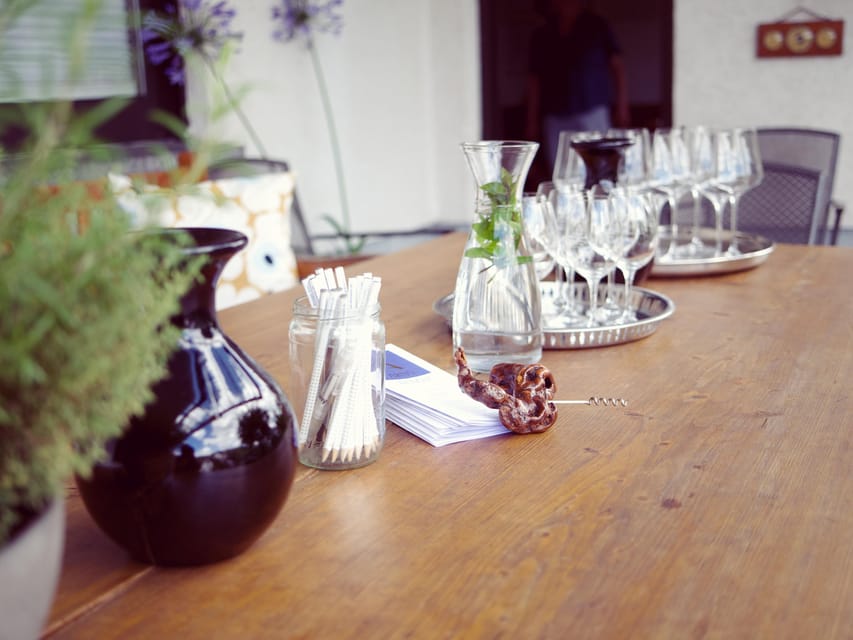
After the vine walk, the tour moves into the winery area for the tasting portion, with the overall visit including a cellar tour as part of the experience. Even if you’re not a winemaking nerd, cellars are where you stop imagining wine-making and start seeing it.
The tour description specifically points to a modern wine cellar, which usually means you’ll notice how today’s tools and methods meet traditional viticulture decisions. The result is a simple message: the winery isn’t stuck in the past, and it’s not chasing trends for show. It’s trying to turn the vineyard’s organic choices into consistent wines.
If you’re the kind of person who likes to understand process—what happens after harvest, why handling matters, and how the cellar supports the final style—you’ll enjoy this part.
Wine tasting: 4–5 organic bottles, including traditional-method sparkling
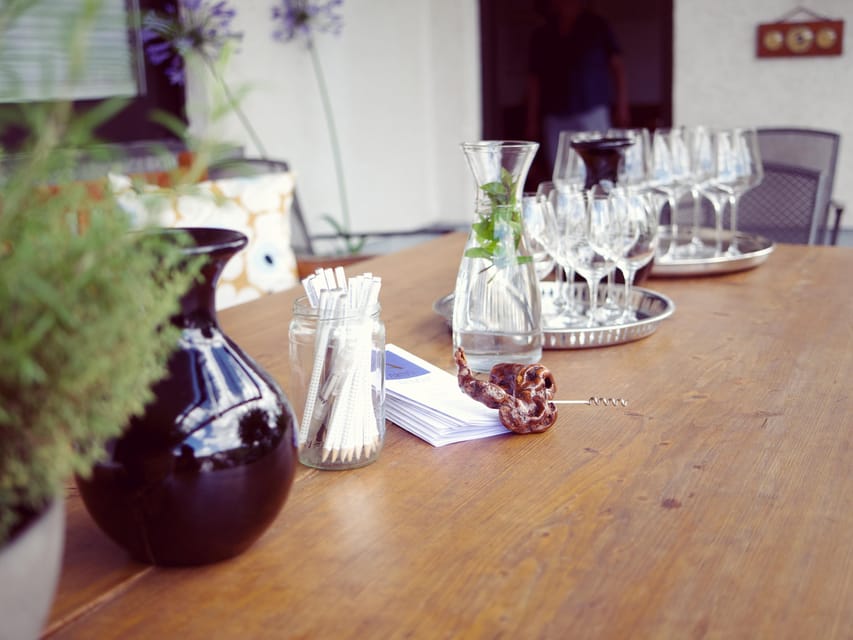
The tasting is the second main stop, lasting about 1 hour. You’ll sample four to five different organic wines, and the range covers more than one style:
- Still whites
- Still reds
- Sparkling wine made using the traditional method
That variety is a smart move for a short tour. It lets you taste how organic farming shows up across different wine types instead of locking you into just one grape or one flavor profile.
You’ll also have bread and water included. That sounds basic, but it helps you pace the tasting. It also makes this feel more like a welcoming host experience than a rushed lineup.
What I love about this tasting format is that it doesn’t just ask you to taste and score. The guide explains the thinking behind the wines, so you know what to look for: how acidity, fruit character, and structure can shift across whites, reds, and sparkling.
And if you’re a “bring home the good stuff” person, you’ll likely understand why. In the reviews, multiple people mention enjoying the wines so much that they bought bottles to take away.
Price and value: what $29 buys you in Reil
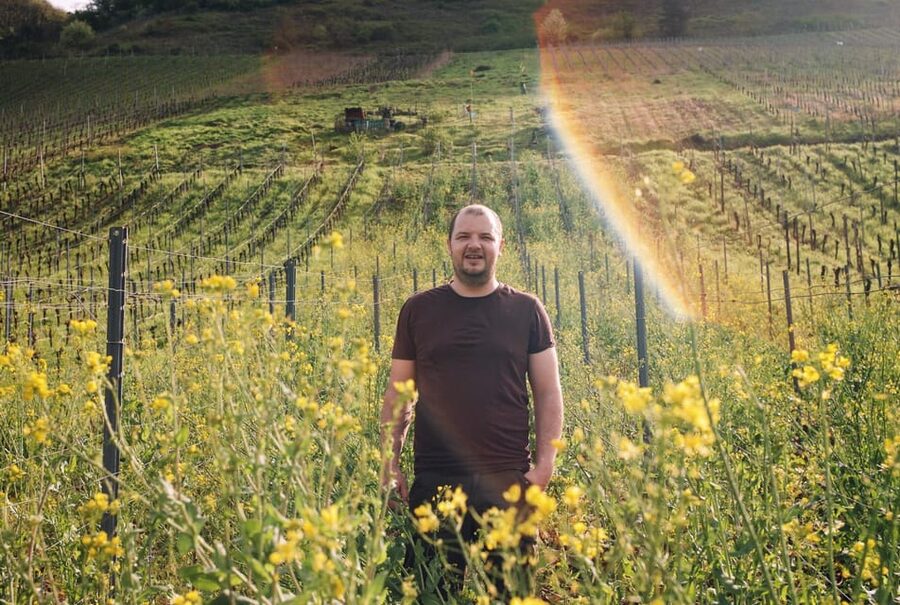
At $29 per person for about 2 hours, you’re paying for more than a tasting glass. You get the vineyard tour, the cellar look, and tasting four to five organic wines, plus bread and water. You also get time with the winegrowers, which is often the real value in Mosel wine country.
This is the kind of experience where the price feels fair because the format is focused. You’re not paying for a long event with dozens of courses or a giant festival setup. You’re paying for direct access to a family winery’s methods and a guided tasting that ties the vineyard work to what’s in the bottle.
The main consideration is exactly that focus: if you’re looking for a long sit-down tasting with extensive food pairings, this may feel short. But if you want an educational wine visit that’s easy to fit into a day, the timing works.
What you’ll learn about soil, diversity, and sustainability
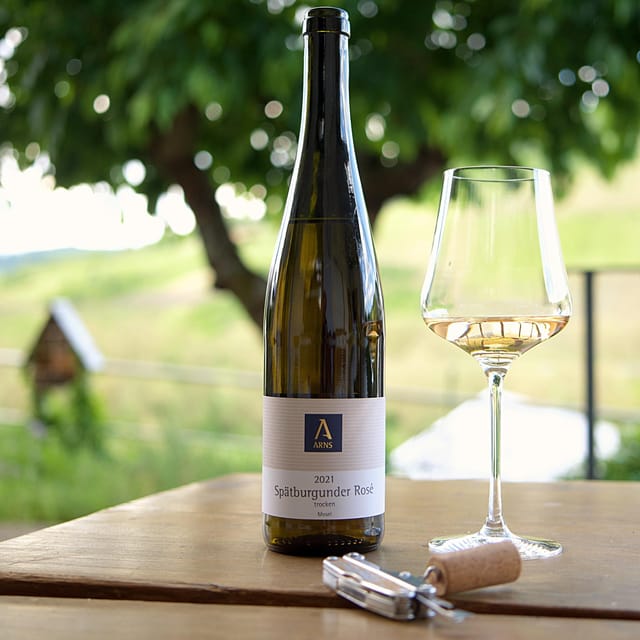
A big reason this tour earns such high marks is that it answers the questions people actually have when they see organic vines. The tour themes include:
- What biological diversity changes in a vineyard and why it matters
- How soil affects wine quality
- Whether sustainable viticulture is realistically possible
These aren’t abstract ideas. You’ll connect them to what’s happening on the slope and in the cellar. That’s what keeps the tour from turning into a generic tasting lecture.
If you’re traveling with a friend who loves science and you don’t, you’ll still benefit. The guide’s approach is built around practical explanations you can taste and visualize.
Who should book this organic wine tour at Weingut Arns
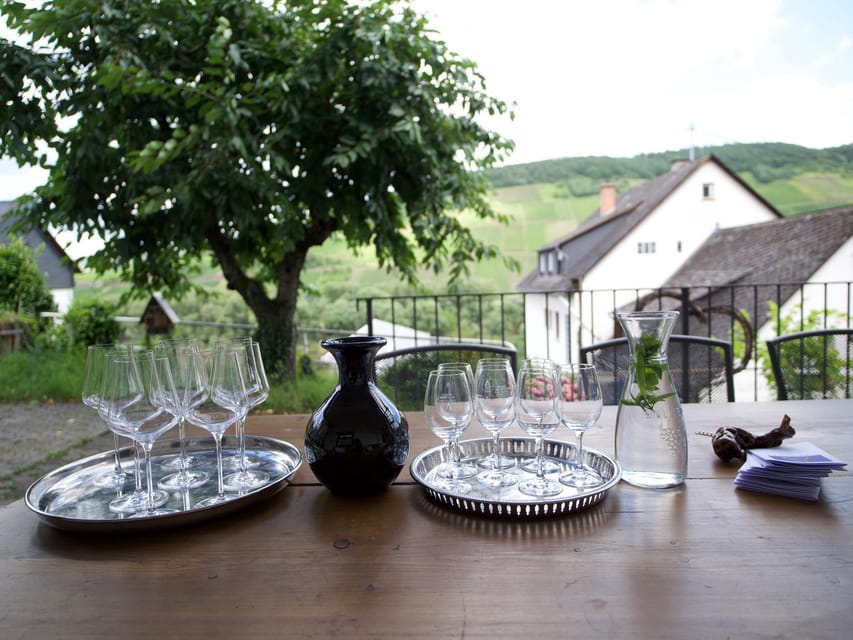
This fits best if you want authentic wine country time without the tourist fluff. I’d especially recommend it for:
- Couples and small groups who want a guided experience rather than wandering alone
- Wine-curious travelers who like learning how organic farming works
- People who enjoy bilingual settings (the guide offers English and German)
- Anyone who appreciates meeting the winegrowers, not just standing nearby
One practical detail that comes through in the reviews: this winery indicates it’s fine to bring a dog. If that’s part of your travel planning, it removes a common hassle.
It also notes wheelchair accessibility, which is great if you need an easier route through the vineyard and winery areas.
A balanced reality check: what the tour is not
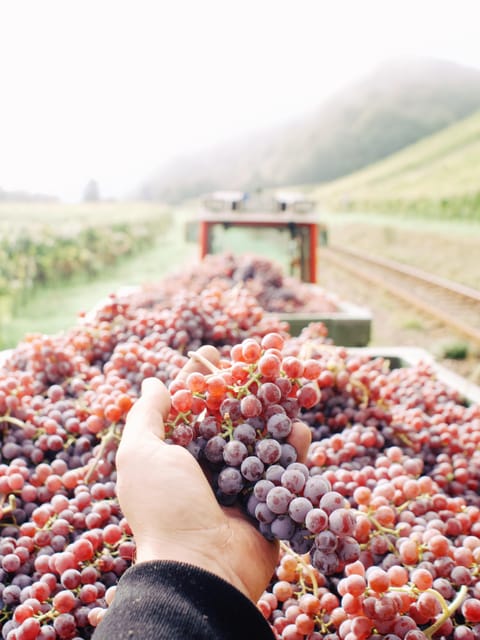
To keep your expectations clean, here’s the honest limit of this experience. It’s a compact visit. You won’t get an all-day itinerary or a full meal pairing. You also won’t leave with the feeling that you toured an enormous complex with endless stops—this is designed to be tight and informative in about 2 hours.
If you’re someone who wants a very long wine immersion, you might want to pair this with another slower tasting later. If your goal is a strong first taste of organic Mosel wine with a real explanation, this hits the mark.
Should you book the Reil, Mosel organic wine tasting and cellar tour?
I think you should book it if you want a guided organic wine experience where the vineyard talk connects to the tasting in a real way. For $29, you’re getting a structured vineyard and cellar visit, bread and water, and four to five organic wines, including sparkling made the traditional way. That’s a lot to pack into two hours.
Book it with confidence if:
- You like learning on the ground (vineyard first, tasting second)
- You want to understand organic viticulture beyond slogans
- You enjoy meeting the people making the wine
Skip it if:
- You’re seeking a long, food-heavy pairing event
- You only want a casual tasting with no structured tour component
One more practical note: the experience is set up to be flexible, with free cancellation up to 24 hours in advance and reserve now, pay later options. That makes it easier to lock in your Mosel day without overcommitting too early.
FAQ
How long is the guided organic wine tasting and cellar tour?
The experience lasts about 2 hours.
What does the tour include?
It includes a vineyard tour and a cellar tour, plus a tasting of four to five different organic wines. Bread and water are also included.
How many wines will I taste?
You’ll taste four to five different organic wines during the tasting.
Are there both red and white wines?
Yes. The tasting includes still whites and reds.
Is there sparkling wine in the tasting?
Yes. Sparkling wine is included, made following the traditional method.
What is the meeting point for the tour?
You meet at Arns Winery at the Blue Flag, located at Kringstraße 36.
What languages is the tour offered in?
The live guide provides the tour in English and German.
Is the tour wheelchair accessible?
Yes, it’s listed as wheelchair accessible.
Can I cancel if my plans change?
Yes. Free cancellation is offered up to 24 hours in advance for a full refund.
Is it possible to book without paying right away?
Yes. The option to reserve now & pay later is available.