REVIEW · PORTO
Porto Wine Tasting Experience with Portuguese Tapas Plate
Book on Viator →Operated by Canto Cooking · Bookable on Viator
This tasting feels like a lazy afternoon. In Porto, you’ll sample Douro wines from the Douro valley in a quiet Orangerie or garden setting with a friendly host guiding you through what’s in the glass.
I love the small group feel (max 16) and the way the tasting stays relaxed, so you can actually compare one white to the next and notice the color and flavor shifts. I also love the food pairing: local cheese and Portuguese cured ham with crackers and homemade jams.
One possible drawback: it’s a tasting flight that leans more table wine than a heavy Port-focused session, so plan for that if Port is your main mission.
In This Review
- Quick hits
- A Garden-Setting Douro Tasting in Porto
- What You Sip: Douro Whites, Rosé, Reds, and a Port Finish
- Douro whites and the “compare, don’t just sample” approach
- Rosé and reds: where you learn by contrast
- Port at the end: the sweet (but not overwhelming) landing
- Portuguese Tapas Plate: Why Cheese and Cured Ham Matter
- How the Host-Lead Explanations Keep It Relaxed
- Pacing, Duration, and Group Size (Max 16) That Works
- Price and Value: Is $36.28 Worth It?
- Who Should Book This Porto Wine-and-Tapas Session
- Should You Book It or Skip It?
- FAQ
- Where does the tasting take place in Porto?
- How long is the Porto wine tasting with tapas?
- What wines are included in the tasting?
- How much wine do you get in each tasting?
- What food is included?
- Is the tour in English?
- What’s the group size?
- Do you need to be 18+?
- Can I cancel if plans change?
- FAQ
- Can I stay after the tasting and order more?
- Do you need to bring a ticket?
- Is service animal access allowed?
Quick hits
- Douro flight in 1.5 hours: multiple whites, rosé, reds, plus a Port finish
- Tasting-size pours you can compare: about 50ml per wine glass, 30ml for Port
- Cheese-and-cured-ham tapas pairing: crackers and homemade jams help you notice differences
- English-speaking host-led explanations: hosts like Hannah, McKenzie, Hemily, and Greta are noted for being engaging
- You can linger after the tasting: extra wines and tapas are available for purchase
A Garden-Setting Douro Tasting in Porto
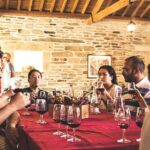
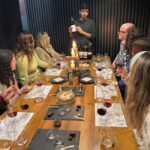
Porto can feel like a nonstop food-and-tram sprint. This experience slows things down on purpose. You meet at Canto de Luz in central Porto, and then you settle into the Orangerie. If the weather cooperates, it can be the garden instead. Either way, the vibe is calm and social in a good way, the sort of place where you don’t feel rushed to “finish and move on.”
What I like about this setup is how it supports the tasting. When the room feels comfortable, you can focus on what matters: smell first, then taste, then compare. Hosts also give guidance on what to look for, including how the wines differ in color and flavor and how body and balance show up from one pour to the next.
The tasting is designed for English speakers and runs about 1 hour 30 minutes. It’s also small: up to 16 people. That matters. Large group tastings tend to turn into a blur. Here, it’s easier to ask questions and get answers without shouting over everyone else.
You can also read our reviews of more food & drink experiences in Porto



What You Sip: Douro Whites, Rosé, Reds, and a Port Finish
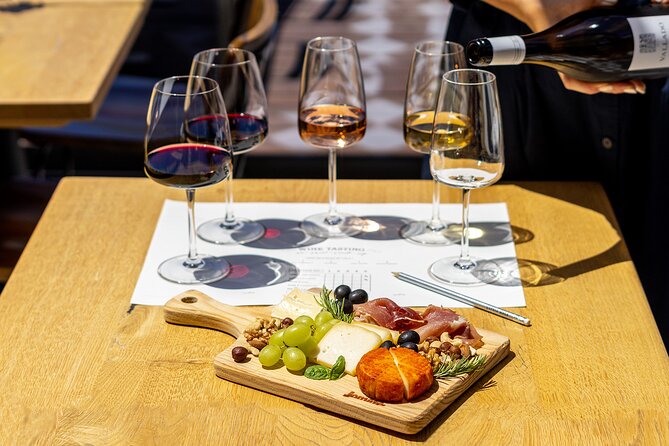
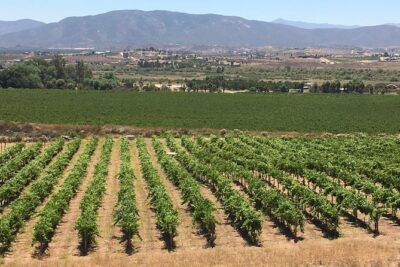
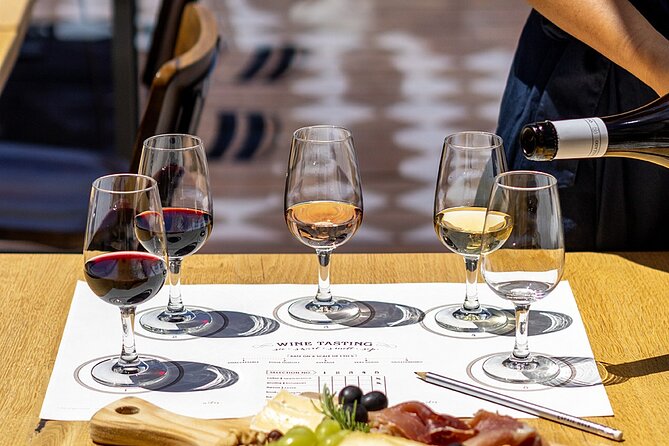
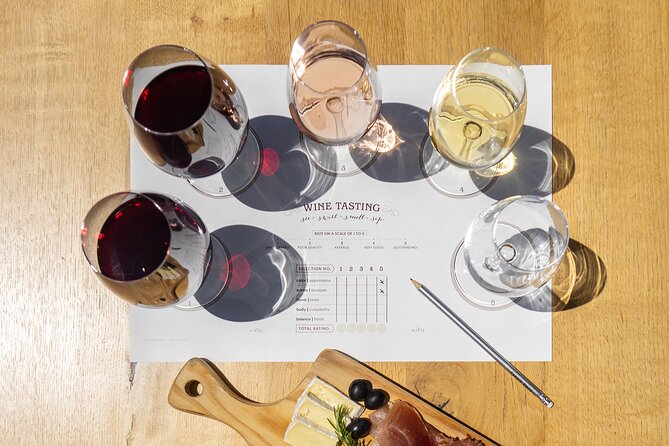
The lineup is the heart of the experience. You’ll try two Douro white wines from the Douro valley (including one Douro Reserva White), then a rosé, then two different red wines, and finally a white or Tawny Port.
Here’s the practical breakdown of what you can expect in the glass:
- Wine tasting glasses are about 50ml for the Douro whites, rosé, and reds.
- The Port tasting is about 30ml, so it’s more of a tasting finish than a full pour.
In the reviews, people commonly mention tasting about six different styles. That matches the structure: two whites, one rosé, two reds, and one Port. If you like the idea of moving across the spectrum rather than doing one lane the whole time, this format works well.
Douro whites and the “compare, don’t just sample” approach
Douro whites are a great place to start because they’re the lightest in the flight, which makes it easier to notice differences. With two different white vintages included, you can compare how the Reserva style reads on your palate versus the other white. The host’s explanations help you put words to what you’re noticing—things like how the flavor profile shifts and how the wine’s balance changes as you move through the flight.
Rosé and reds: where you learn by contrast
The rosé is the bridge. Then you jump into two distinct reds—one of them is described as organic or Reserva red. This is where tasting becomes more interesting for a lot of people, because reds bring more intensity, and it’s easier to notice how tannins and fruit character show up. If you’re not a “serious wine person,” don’t worry. The host style described in the reviews is very much about making it understandable. People liked that the guide offered enough information to make the wine feel clearer without turning it into a lecture.
Port at the end: the sweet (but not overwhelming) landing
Your final pour is either white Port or Tawny Port. Ending with Port is smart because it changes the feel of the tasting. It’s also the moment many people decide which direction they want next time—one review even highlights developing a liking for white Port after this tasting.
You can also read our reviews of more wine tours in Porto
Portuguese Tapas Plate: Why Cheese and Cured Ham Matter
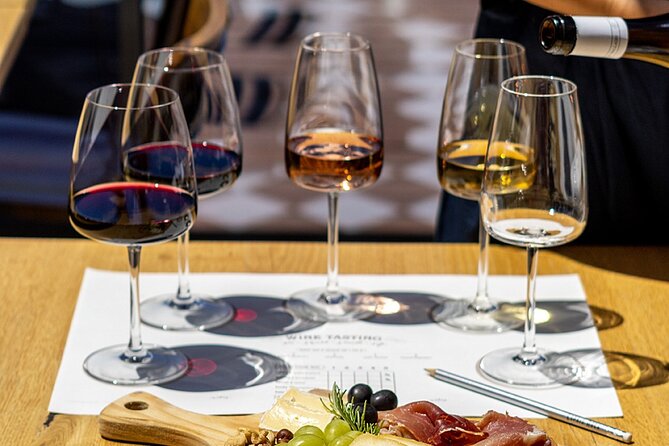
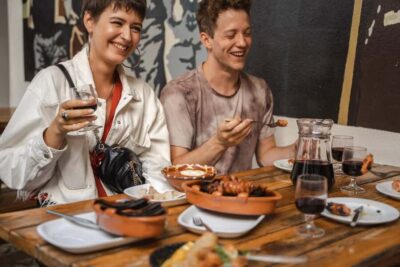
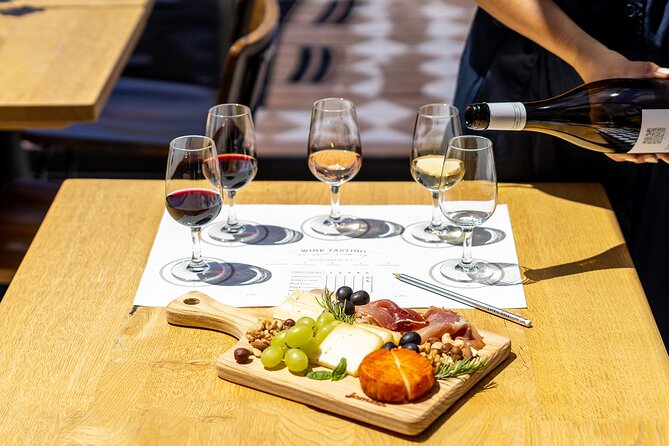
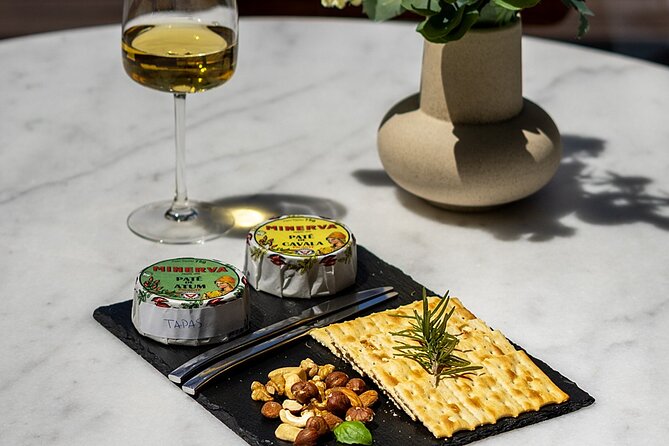
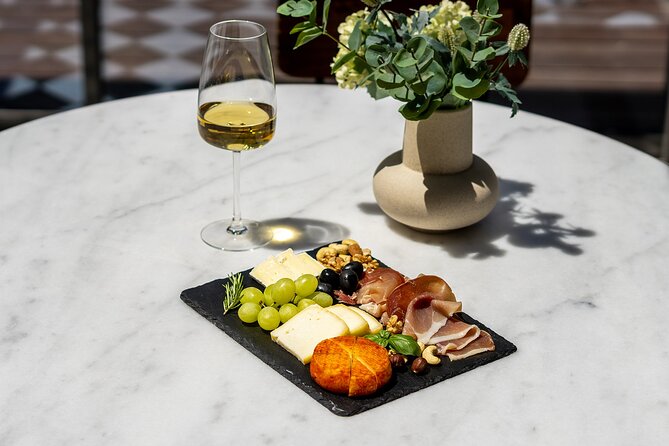
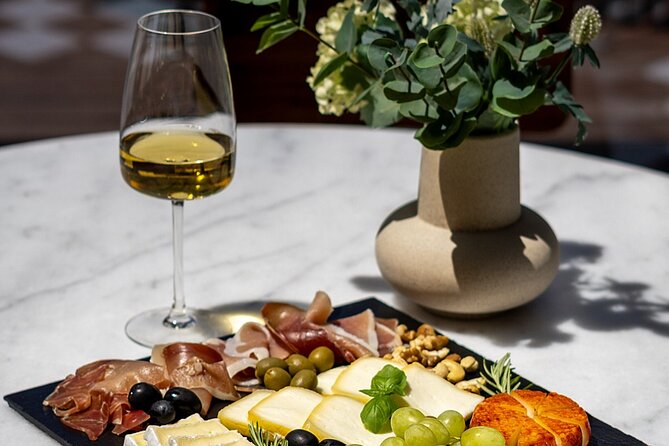
Food isn’t just a side detail here. The tapas plate is paired to help you notice the wines better. You get a plate with local cheese and Portuguese cured ham, plus crackers/biscuits and homemade jam.
This matters more than you might think. Cheese and cured ham bring salt, fat, and a strong savory flavor. That trio can tame a wine’s sharp edges and bring out fruit or spice notes that might feel muted on their own.
A few practical reasons this pairing works:
- Salt and cured meat make you notice contrast. Dry wines can feel crisper when the food is salty.
- Cheese adds richness. That can make some reds taste smoother and more rounded.
- Homemade jam adds sweetness. It can show you how the wine handles fruit-forward flavors and how the finish changes.
In multiple reviews, the tapas is called out as enhancing at least some of the wines—people specifically mention noticing a difference once food was added. That’s a great sign for you. It suggests this tasting isn’t just “pour, sip, move on.” It’s built to help you build a palate memory.
If you’re even mildly curious about Portuguese flavors beyond wine, this plate also gives you a quick snapshot of what cured meats and simple regional pairings feel like in Porto.
How the Host-Lead Explanations Keep It Relaxed
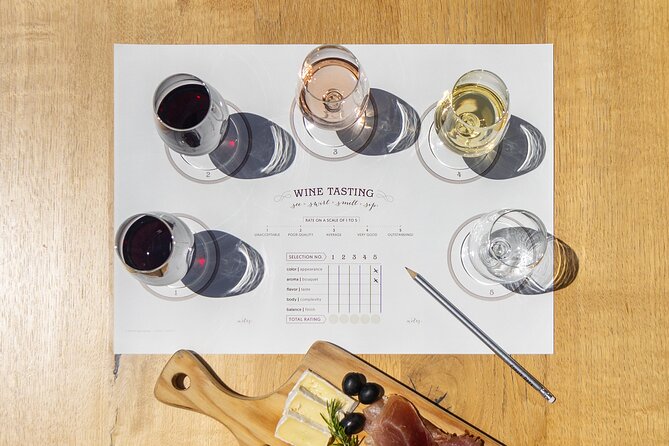
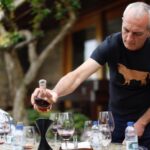
The most praised part of this experience is the host. People mention friendly, engaging guides who balance information with letting you enjoy the tasting at a steady pace.
Some names that come up include Hannah, McKenzie, Hemily, and Greta. While you can’t pick the host, it’s useful to know the sessions you’ll read about are led by people who explain things in a way that helps you connect what’s in the glass to what you’re tasting.
You’ll get explanations that focus on:
- Body and balance in each wine
- How color and flavor differ from one pour to the next
- Why those differences happen in the context of the region
Also worth noting: people describe the experience as unhurried. That matters because tasting gets easier when you can pause between glasses. When you’re forced to rush, you end up chasing the clock instead of your palate.
If you want a practical tip for getting more out of the flight: take a sip, then wait 10–20 seconds before reacting. Let the wine warm slightly in your mouth. That’s when you’ll often notice the changes the host is pointing out.
Pacing, Duration, and Group Size (Max 16) That Works
At about 1 hour 30 minutes, you’re not committing a full afternoon, but it’s also not a quick “token tasting.” The time is long enough to make real comparisons between the whites, rosé, and reds.
The group size helps keep the atmosphere comfortable. With up to 16 people, you get enough social energy to feel like you’re in it together, but still have room to ask questions and hear your guide.
In terms of logistics, the experience ends back at the starting point, so you’re not scrambling for directions afterward. And because the venue is near public transportation, you can tack this onto a Porto food walk without stressing about where to go next.
Also remember the basic rule: in Portugal, tasting alcohol requires you to be 18+. You may be asked for proof of age, and they treat that as normal.
Price and Value: Is $36.28 Worth It?
Let’s talk value, because $36.28 can feel like a shrug or a smart spend, depending on what you’re expecting.
Here’s what you’re buying for that price:
- A structured tasting flight across multiple wine styles from the Douro valley
- A Port finish (white or Tawny)
- Tasting glasses (around 50ml for wines, 30ml for Port)
- A Portuguese tapas plate with local cheese and Portuguese cured ham, plus crackers/biscuits and homemade jam
So you’re not paying just for “drinks.” You’re paying for a guided comparison plus food that changes how the wines taste. If you’ve ever done a casual wine pour somewhere where you get vague instructions, you’ll appreciate the difference here: the host helps you understand what you’re tasting and why it differs.
Is it perfect value if you only care about Port? Maybe not. The structure starts in table wine (whites, rosé, reds) and ends with Port as the final note. But if you want a well-rounded taste of the region, this price starts to look more fair.
Also, the ability to stay after the tasting and buy additional wines/ports or tapas can stretch your outing. You’re not forced to leave right after the flight. If you enjoyed the setting, you can continue at your own pace.
Who Should Book This Porto Wine-and-Tapas Session
This is a strong match if:
- You want a gentle introduction to Portuguese wines without drowning in jargon
- You like structured tasting that compares multiple styles
- You enjoy food pairings that aren’t just decoration
- You want a small-group experience in a pretty setting
It’s also a good option if you’re with friends and you all want different preferences covered: one person may like white styles, someone else may lean red, and everyone ends with Port.
If you’re not a wine drinker, consider whether a wine-focused format makes sense. The experience is built around alcoholic pours, and the only alternatives aren’t listed here. If you have dietary needs, you should ask in advance, because food is part of the pairing.
Should You Book It or Skip It?
Book it if you want an easy, guided tasting that mixes Douro table wines plus Port, with a real Portuguese tapas plate that helps you taste better, not just taste faster.
Skip it only if your goal is strictly Port-only or you prefer a very high-volume drinking experience. This isn’t designed as a Port binge. It’s a comparison flight, paced for learning and enjoyment.
If you’re on your first or second day in Porto and you want something authentic-but-manageable, this fits nicely. It’s central, it’s small-group, and it gives you a clear snapshot of how Douro wine moves from white to rosé to red, ending with Port in a way that makes the rest of Porto’s wine choices easier to understand.
FAQ
Where does the tasting take place in Porto?
You’ll start at Canto de Luz, Rua do Almada 539, 4050-039 Porto, Portugal. The activity ends back at the meeting point.
How long is the Porto wine tasting with tapas?
It runs about 1 hour 30 minutes.
What wines are included in the tasting?
You’ll try two Douro White wines, a rosé, two distinct red wines, and either a White Port or a Tawny Port.
How much wine do you get in each tasting?
Wine tasting glasses are about 50ml each, and the Port tasting glass is about 30ml.
What food is included?
A Portuguese tapas plate is included with local cheese and Portuguese cured ham, plus biscuits/crackers and homemade jams.
Is the tour in English?
Yes, it’s offered in English.
What’s the group size?
There’s a maximum of 16 travelers.
Do you need to be 18+?
Yes. All wine tasting participants must be aged 18 or above to consume alcohol in Portugal, and you may be asked for proof of age.
Can I cancel if plans change?
Free cancellation is available if you cancel up to 24 hours in advance for a full refund.
FAQ
Can I stay after the tasting and order more?
Yes. After the tasting, you can stay and enjoy additional wines and ports or tapas from the selection, but those extras cost extra.
Do you need to bring a ticket?
You’ll receive a mobile ticket, and confirmation is received at the time of booking.
Is service animal access allowed?
Yes, service animals are allowed.