REVIEW · PORTO
Port Wine Lodges Tour Including 7 Port Wine Tastings (English)
Book on Viator →Operated by Porto Walkers · Bookable on Viator
Porto’s cellar doors are waiting. This 3.5-hour Port wine walking tour pairs 7 tastings with guided visits to three port houses, so you walk away knowing what you tasted and why it matters. I love the mix of classic producers plus hands-on stops (museum, cellar, and interactive centers), and I also like that you practice your Port comparisons with guided tastings like Reserve White, Reserve Tawny, and a young Ruby. One possible drawback: you are on your feet the whole time, and the day can include more explanation time at a couple of stops than you might expect if you came only for pouring.
You meet on the Porto side near the D. Luis Bridge (lower level) at 3:00 pm, then head over to Vila Nova de Gaia, famous for its Port cellars. With a small cap of 18 people, it usually feels like a real guided experience, not a cattle-line. Just plan for no lunch and no included snacks, since tastings can stack up fast.
In This Review
- Key highlights that make this tour worth your time
- Finding the meeting point near D. Luis Bridge (and not wasting time)
- Walking the Gaia side: what the “cellars walk” is really like
- Vila Nova de Gaia stop: museum and cellar tour at a major producer
- The tasting sequence: 7 Port pours and how to compare Port styles
- Interactive cellar and visitor centers: barrels, cork, and Douro Valley basics
- The exclusive wine workshop: pairing Port with food
- Ending with Porto views: terrace time on the Gaia side
- Price and value: what $62.88 gets you (and how to judge it)
- Who this Port wine tour suits best
- Who can help you most: guides that bring the day to life
- Should you book this Port wine lodges tour?
- FAQ
- How long is the Port wine lodges tour?
- Where do I meet the tour?
- What does the tour include?
- Does the tour include lunch or food?
- What ages can join?
- Is there a cancellation window?
Key highlights that make this tour worth your time
- 7 Port tastings in one half-day, including Reserve White, Reserve Tawny, and young Ruby
- Three port houses with a mix of cellar visits and museum/visitor centers
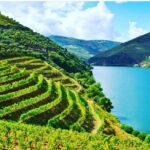
- Douro Valley education tied directly to what you’re tasting, including Port types and production basics
- An interactive cork-and-barrels experience (yes, you’ll learn how cork is produced)
- A Port pairing workshop that teaches how to match Port with food
- Terrace views back over Porto to end on a scenic note
Finding the meeting point near D. Luis Bridge (and not wasting time)
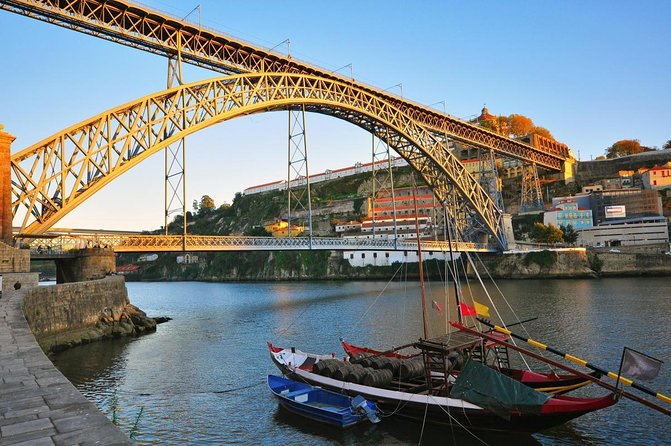
Your start is at Pilares da Ponte Pênsil, on the Ribeira side of Porto, next to the D. Luis Bridge on the lower level. The operator notes a red jacket that says porto walkers, which matters because this area has lots of tour traffic and street noise.
If you’re coming from Porto’s center, give yourself extra minutes to locate that red jacket. A couple of minutes lost here can ripple through the whole afternoon, since tastings and entry times are built into a tight 3 hours 30 minutes schedule.
Good to know: the tour is in English, it uses a mobile ticket, and it’s near public transportation. Service animals are allowed, and most people can participate since the farthest walking segment is about 800 meters.
You can also read our reviews of more wine tours in Porto

Walking the Gaia side: what the “cellars walk” is really like
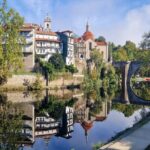
Once you meet, you head toward Vila Nova de Gaia, where the Port lodges and aging cellars cluster. The tour is described as all walking, mostly with shade along the way, so it’s not a sit-and-watch day.
The value here is that the walk isn’t just transit. You get an orientation to Port and its history while you go, which is a smart way to make the tastings stick in your head. Instead of starting with a glass and hoping you’ll remember, you start with context.
Practical tip: this is a half-day at wine pace, not a casual stroll. Wear comfortable shoes and bring a light layer. Even in pleasant weather, you can get cool air near the river and in cellar spaces.
Vila Nova de Gaia stop: museum and cellar tour at a major producer
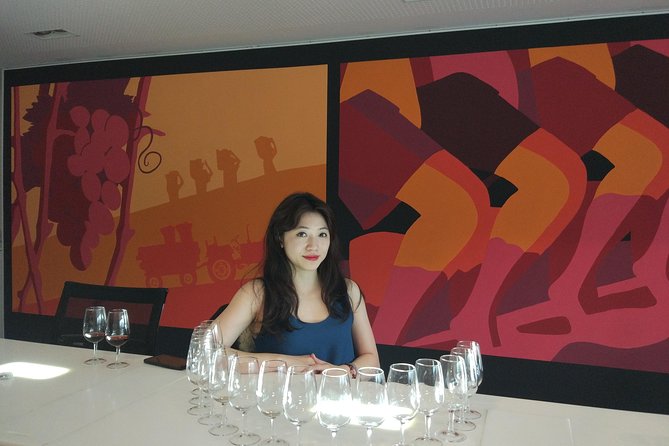
One highlight is a guided visit at a prestigious producer in Vila Nova de Gaia, with both a museum and a cellar tour. That combo is where a lot of Port tastings become easier to understand.
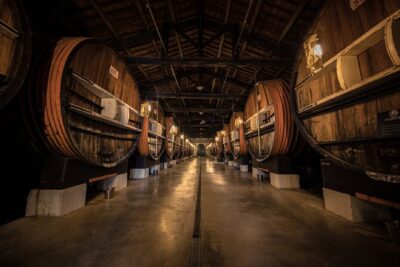
You’ll see how Port production connects to the history of the region and why storage and aging matter so much. The museum portion helps you place the story, and the cellar portion gives you the physical reality behind the words.
A nice detail: after this producer stop, the tour moves right into guided tastings, so you’re not left “learning about” Port while tasting happens later. You’re tasting while the visuals are still fresh.
The tasting sequence: 7 Port pours and how to compare Port styles
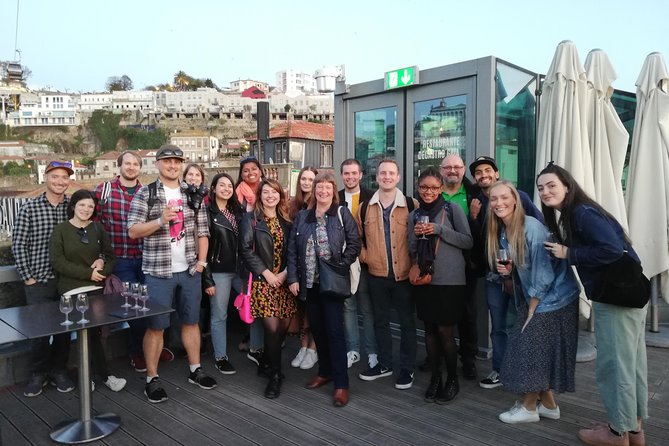
This tour is built around tasting, with 7 Port wine tastings included. You also get structured guidance on how to distinguish Port families and what makes Port different from other wines.
From the description, you’ll taste:
- Reserve White
- Reserve Tawny
- A young Ruby Port
What I like about this lineup is that it nudges you to compare rather than sip randomly. White and Tawny are different enough from Ruby that you can feel the shift in style, and the Reserve labels add another layer to pay attention to: this is not just tasting sweet wine, it’s tasting how styles are crafted and aged.
How to make the tastings work for you: take small notes on a phone or paper right away. Even a quick “dry-sweet balance” and “fruit vs. wood” note helps you remember what you liked by the end of the day, especially since you’ll be tasting at multiple lodges.
Interactive cellar and visitor centers: barrels, cork, and Douro Valley basics
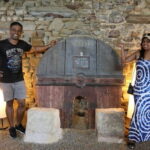
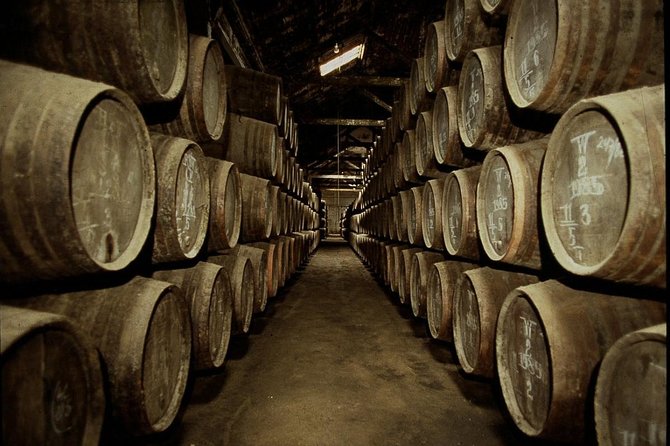
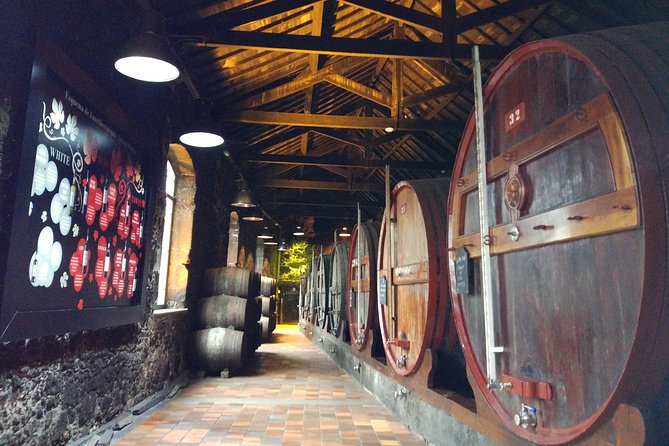
After the first producer stop and tastings, the tour includes an old cellar that’s been turned into an interactive visitor center. The focus here is practical: barrels where Port is stored and how cork is produced.
This is useful for beginners because it answers the small questions that usually get skipped in wine tourism. You can walk out understanding what the wine spent its time doing, and why closures matter when you’re thinking about aging.
Then you go to an interactive Port interpretation center dedicated to the Douro Valley, described as the oldest wine region in the world. The way it’s presented is meant to translate history into something you can connect to what’s in your glass.
Small reality check: interactive centers often mean a bit more guided explanation and hands-on demos than a pure cellar crawl. If you like structure, this will feel like a good match.


The exclusive wine workshop: pairing Port with food
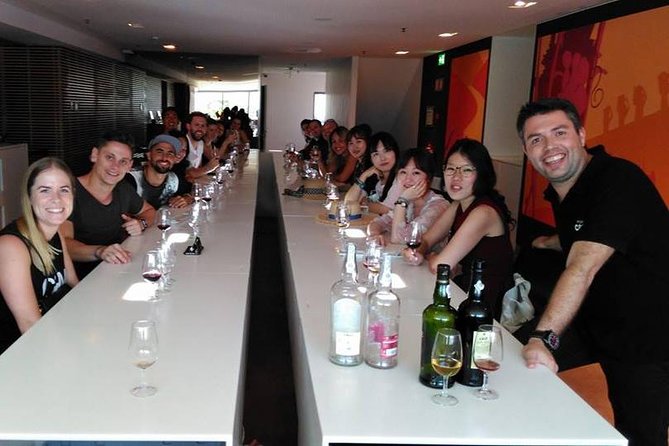
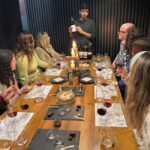
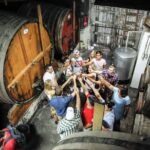
A key part of the experience is an interactive tasting workshop. You’ll sample different wines (in addition to the lodge tastings) and learn how to pair Port with food.
This is one of those “tour upgrades” that you’ll feel at dinner afterward. Port can be confusing if you only ever think of it as a dessert wine. A pairing workshop gives you a framework for when Port is a match for salty, savory, or sweet moments.
If you’re the type who likes to order with confidence, you’ll probably enjoy this section the most. It’s the part of the tour that turns Port knowledge into actual decisions.
Ending with Porto views: terrace time on the Gaia side
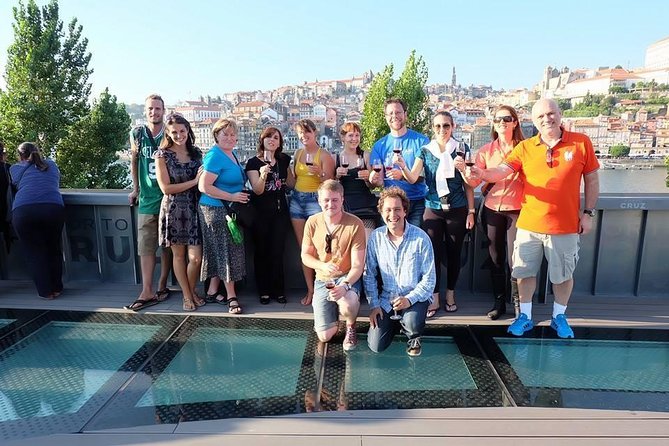
The tour wraps with scenic views over Porto from the center’s terrace. It’s a good finish because it breaks the schedule and lets you absorb what you just learned from a slightly different angle.
You’ll be on the Gaia side at the end near Av. de Diogo Leite 135 in Vila Nova de Gaia. That location is handy if you want to keep exploring cellars, viewpoints, or riverside streets on your own after the tour.
Price and value: what $62.88 gets you (and how to judge it)
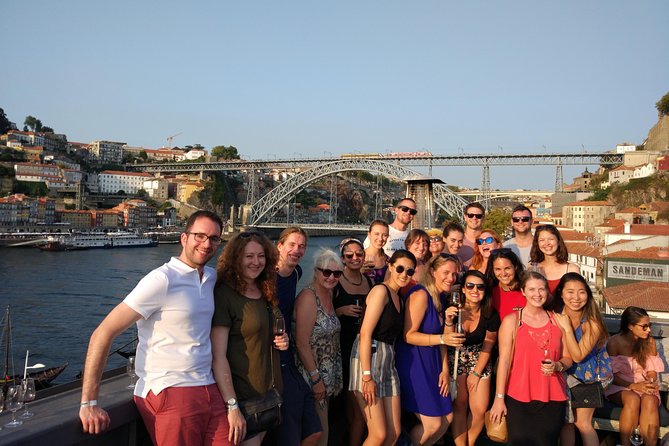
At $62.88 per person for about 3.5 hours, the value mostly comes from two things:
First, you’re not paying for a single tasting. You’re paying for 7 tastings plus entry tickets for the port houses, guided time, and fees that cover access.
Second, the tour adds structure: you’re guided through museums/centers, not just handed glasses. You’re also taught what to look for when distinguishing Port families, including practical, memorable elements like cork production and barrel storage.
If you’ve ever done “wine tours” where the walking is the real attraction and the wine part feels thin, this one is built more tightly around tastings. The only cost is time on your feet and the fact that food isn’t included.
My practical take: this is good value if you want education paired with sampling, and you don’t mind moving between a few different sites. If your main goal is a long, slow cellar wander with minimal instruction, you may find the explanation portions slightly more than you want.
Who this Port wine tour suits best
This tour is a strong fit if you:
- Like learning how wine styles work, not just where to buy bottles
- Want a guided introduction to Port before deciding what to purchase
- Enjoy walking tours and can handle cellars and indoor centers during a half day
- Want a small-group vibe (maximum 18 travelers)
It may be less ideal if you:
- Easily get impatient during more structured explanations or presentations
- Expect lunch or substantial snacks to be included
- Want very long time at one single producer only
Who can help you most: guides that bring the day to life
Porto Walkers guides are central to the experience, and several names come up repeatedly in the information you provided: Alex, Kevin, Cyril, Lara, Seral, and Cerio. The common thread is that the guides add humor and city context, which matters because Port can feel technical if it’s delivered like a lecture.
If you’re booking, look at the tour style notes you’ll see during confirmation and expect your guide to use stories and guidance to keep the group moving and tasting in the right order.
Should you book this Port wine lodges tour?
If you want a half-day in Porto that teaches you how Port differs by type, then this is an easy yes. The combination of 7 tastings, three port houses, and an interactive cork-and-barrels style learning flow gives you more than a simple tasting stop.
Book it if you’re:
- Port-curious and want a guided path
- Planning a Douro Valley or Port-shopping day afterward
- Looking for a small-group tour with real pacing
Consider skipping or comparing options if you hate walking, dislike any structured presentations, or you need food included in the ticket price. Either way, do yourself a favor and plan a snack for later, since lunch and food aren’t part of the package.
FAQ
How long is the Port wine lodges tour?
It’s listed as approximately 3 hours 30 minutes, and it’s described as a 4-hour tour with walking throughout. The farthest walk is noted as about 800 meters.
Where do I meet the tour?
You meet at Pilares da Ponte Pênsil, next to the D. Luis Bridge (lower level) on the Porto side. The start time is 3:00 pm, and the guide wears a red jacket that says porto walkers.
What does the tour include?
It includes 7 Port wine tastings, visits to 3 port houses, a local guide in English, and all fees and taxes. Wine lodge entry tickets are included too.
Does the tour include lunch or food?
No. Lunch, food, and snacks are not included.
What ages can join?
The minimum drinking age is 18 years old. If you want to bring a child over 6 years old, you need to contact the operator because paid entrance applies.
Is there a cancellation window?
Free cancellation is offered. You can cancel up to 24 hours in advance for a full refund, but cancellations within 24 hours do not receive a refund.