REVIEW · PORTO
Port : Sail, Sip & Savor : Douro Boat Tour With Wine Tasting
Book on Viator →Operated by Douro Sailing · Bookable on Viator
Porto looks different when you’re on the water. This 2-hour Douro sail pairs wine tasting with small-group sightseeing of Porto and Vila Nova de Gaia from the river.
I especially like the intimate size (max 10), which makes it easier to ask questions and actually hear the stories. The crew, often including Inês and captain António, also brings practical tips for what to do next in Porto—so the trip helps beyond just the photos. One possible drawback: the commentary can feel relaxed rather than nonstop, and if weather shifts the route, part of the plan may change.
What makes this Douro sail worth your time
- Small-group feel (max 10): easier conversation and a calmer vibe
- Port and wine tasting included: a proper drink-and-snack rhythm, not just a sip
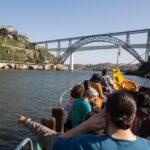
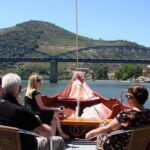
- Iconic bridges from the river: Arrábida and Dom Luís I in one smooth loop
- Rabelo boats and Douro estuary context: you see the river’s working past and today’s wildlife zone
- Crew adds real travel help: tips for Porto, and comfort items like blankets when needed
In This Review
- Getting on board at Marina da Afurada (and why location matters)
- Wine tasting, snacks, and the onboard pace that feels right
- Ponte da Arrábida to Alfândega: first Porto sights with engineering stories
- Ribeira at your pace: UNESCO waterfront and the Duke of Ribeira tale
- Dom Luís I Bridge: the icon you’ll want to slow down for
- The Douro estuary and rabelo boats: the river’s working past
- Museu do Carro Elétrico: trams, the Massarelos plant, and Porto’s rail past
- Weather reality: what can change on a sailing trip
- Price and value: why $44.22 works (if you want a short guided river break)
- Who should book this Porto Douro sailing cruise
- Should you book this tour or not?
- FAQ
- How long is the Douro Boat Tour with wine tasting?
- Where does the tour start and end?
- What is the price per person?
- Is the tour offered in English?
- How large is the group?
- What drinks and food are included?
- What sights does the cruise cover?
- What if the weather is poor?
- What is the cancellation window for a full refund?
- Are service animals allowed?
Getting on board at Marina da Afurada (and why location matters)
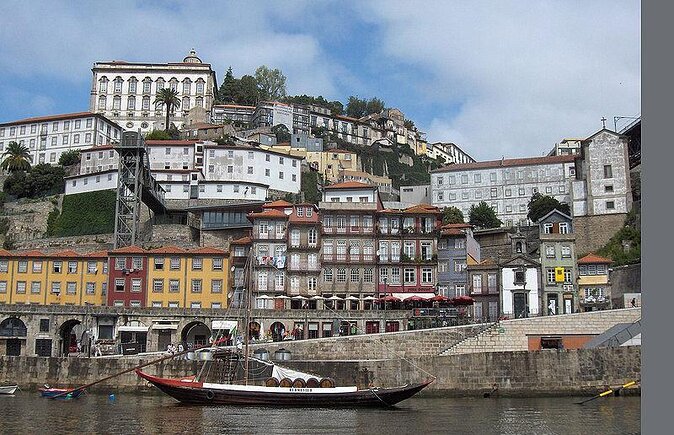
This trip starts at Marina da Afurada on the south side of Vila Nova de Gaia. That matters because you’re not just cruising the middle stretch—you get a good mix of Porto’s shoreline views and the Gaia side that frames the bridges.
You’ll end back at the same meeting point. That keeps things simple on a day where you also want to wander Ribeira, grab dinner, and avoid complicated connections.
The tour runs about 2 hours, and it’s offered in English. Most people can participate, and the group limit is 10, which is a big deal on the Douro—bigger boats can turn into a rolling window-seat line.
Wine tasting, snacks, and the onboard pace that feels right
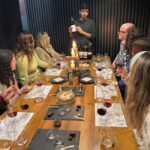
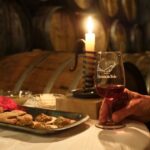
The experience is built around an easy rhythm: cruising time plus wine tasting with snacks. In practice, that means you’re not hustled from viewpoint to viewpoint like a land tour. You get moments to look, drink, and reset your brain between the Porto skyline views and the bridge passes.
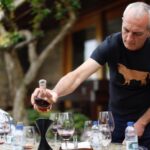
From what’s been described, the tasting often includes tawny port (and then additional wine such as Vinho Verde may be offered). Some trips also come with the option to buy extra drinks onboard if you want to continue. There’s also mention that you can take your own drinks on board, which is handy if you prefer something specific.
Comfort is part of the value here. On cooler evenings, blankets have been provided, and there’s a restroom on board—a small thing that keeps the whole experience from becoming stressful.
One more upside: the boat setup supports a more personal feel. Multiple people mention music onboard, plus friendly hosting that keeps the mood relaxed rather than formal.
You can also read our reviews of more food & drink experiences in Porto

Ponte da Arrábida to Alfândega: first Porto sights with engineering stories
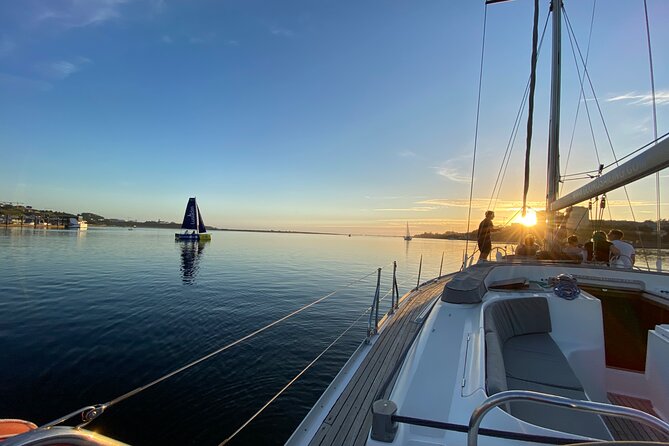
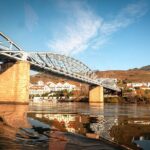
Your cruise begins with the river approach toward Porto’s bridge network. First up is the Ponte da Arrábida, the bridge that connects Porto with Vila Nova de Gaia. It was inaugurated in 1963, and it’s known for its large armed concrete bow and for being one of Porto’s six main bridges for road traffic.
Why this stop is fun from the water: you see it as more than just a landmark. From the river, the bridge’s scale lands fast, and the timeline behind it gives you something to anchor your photos to. The detail about pedestrian-friendly design (including elevators that help people cross the river distance) also makes you look at it differently—less like a random crossing and more like a piece of city planning.
After that, you pass the Alfândega Porto Congress Centre area. You only get a short look, but it helps you understand the river’s role in modern Porto—this isn’t just old stone and wine cellars. It’s a living waterfront with work, culture, and events happening along the edge.
If you like structure, this early segment is a good warm-up. You’re catching the major “you’re in Porto” cues while your brain is still focused and your camera battery is still happy.
Ribeira at your pace: UNESCO waterfront and the Duke of Ribeira tale
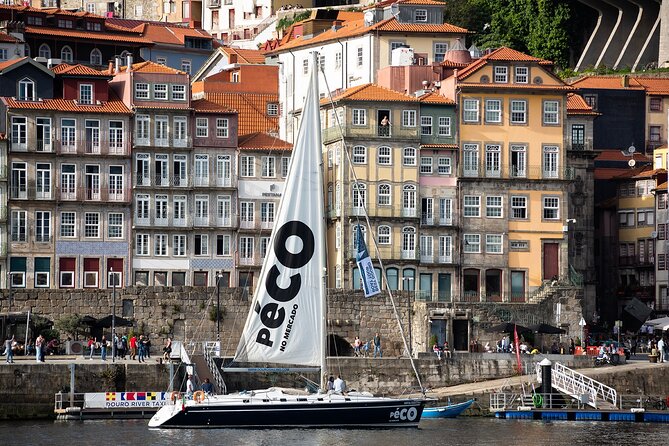
Next is Cais da Ribeira, one of the oldest and most typical parts of Porto. It’s part of the UNESCO Historic Center, with medieval origins, and it historically served as a trade zone because of how close it is to the river.
From the boat, Ribeira is one of those places where you suddenly understand why people love it so much. From street level, the area can feel like a maze of buildings and viewpoints. From the river, it reads like a waterfront stage—one you can study without dodging crowds.
There’s also a specific local legend tied to the neighborhood: the Duke of Ribeira, remembered for saving people from drowning. After his death, a tribute was created, and the memorial is linked to the square near the Louis I bridge pillar.
The practical value for you: stories like this help when you later walk around Ribeira. When you see the memorial or recognize a plaza name, it clicks. Even if the boat portion is brief, you’re leaving with context for your on-foot wandering later.
Dom Luís I Bridge: the icon you’ll want to slow down for
No Porto river day is complete without the Dom Luís I Bridge. This is the main connection between Porto and Vila Nova de Gaia, and it’s especially striking because it’s a two-level structure.
A few details make it memorable: it’s made of metal, about 395 meters long, and roughly 8 meters wide. It was completed in 1888, designed under Théophile Seyrig on the order of King Louis I (the bridge takes the king’s name). Seyrig previously worked with Gustave Eiffel on the D. Maria Pia bridge, which helps explain the architectural “look” that feels so linked to that era of European bridge design.
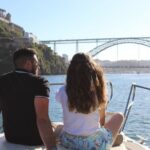
From your seat on the water, this bridge is the kind of photo that turns out better than you expect. You get both the scale and the shape, and you can see how the upper and lower decks relate to the city on either side.
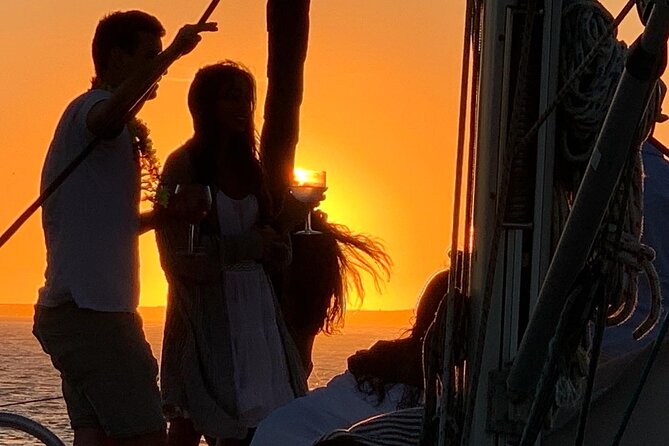
If you’re coming for sunset views, this bridge pass is usually where your eyes start looking for light. Even on a cloudy day, it still reads clearly from the river.
The Douro estuary and rabelo boats: the river’s working past
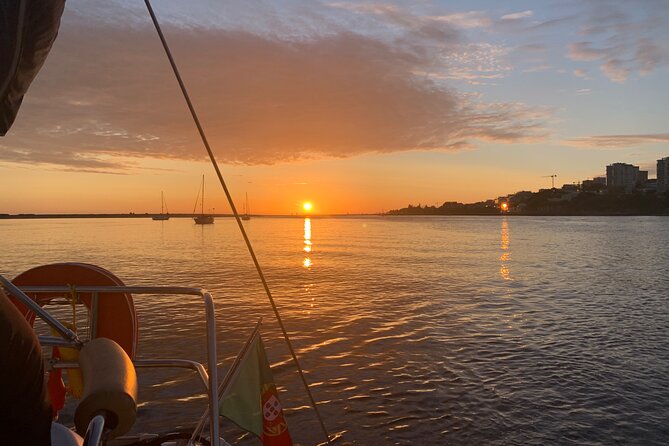
After the bridges and Porto waterfront focus, the cruise shifts into a more “river system” moment with the Reserva Natural Estuario do Douro.
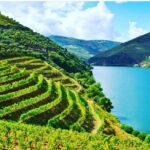
This natural reservation covers 66.35 hectares on the south bank near Afurada, including Cabedelo and São Paio Bay. The big attraction is birds: it sits on the migratory corridor known as the Route of the East Atlantic, and because there’s suspended pavement, you can observe wildlife even without getting too far from the viewing areas.
On a calm cruise, this is a nice change of pace. It helps you remember that the Douro isn’t only a wine pipeline and a bridge corridor—it’s a living ecosystem with seasonal rhythms.
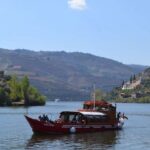
Then comes the story of the barcos rabelos. These are the traditional Douro boats that transported Port wine barrels between the Douro wine region and the cellars of Vila Nova de Gaia. Before roads and railways, the river was the only practical route.
The detail I like here for your imagination: back then, there were no dams, and the river could be treacherous, with rapid currents especially in narrow channels. Sailing required experienced crews because the cargo was literally valuable and fragile.
You also get a useful historical endpoint: the completion of the railway line is thought to have shaped the last voyage for this kind of wine transport around 1964. That gives you a clear before-and-after when you think about why the river changed.
This segment works best if you care about understanding why the wine story is tied to boats. If your only goal is views and a drink, it still adds meaning without slowing the trip down.
You can also read our reviews of more boat tours in Porto
Museu do Carro Elétrico: trams, the Massarelos plant, and Porto’s rail past
One of the most interesting stops is Museu do Carro Elétrico, the Electric Car Museum. It opened in 1992 and preserves a collection of electric cars and other historically important vehicles connected to Porto’s public transport on rails.
What makes it more than a museum stop is the building itself. The museum sits in the former Massarelos Thermoelectric Central, built in 1915 to produce electricity for electric vehicles in the city.
The description of the tram experience is also specific: it’s like stepping back to early 20th-century design, where wood and iron are visible. There’s also a practical design detail with seat backs that move, letting passengers choose which side to face during the ride.
The museum also highlights Line 1 as a way to see Porto with beautiful views. On your boat trip, this stop may be brief, but it’s a great handoff for later. If you want a different kind of Porto afternoon—less river, more rail heritage—this gives you a solid lead.
Weather reality: what can change on a sailing trip
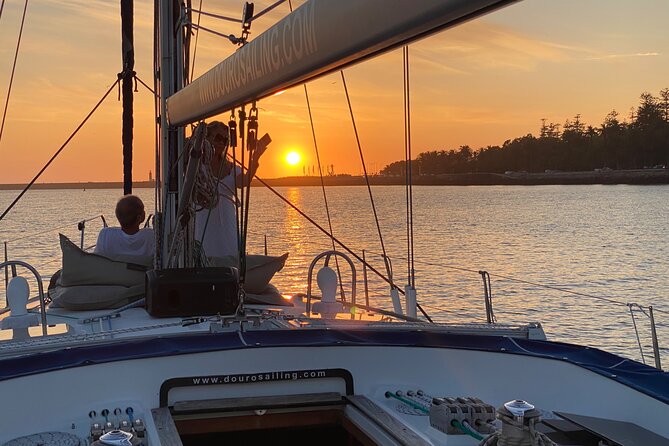
This is a river experience that still depends on weather. Good conditions are important, and if weather isn’t right, you may get a different date or a refund.
There’s also a more specific operational note from experience: sometimes part of the route that’s planned for open-water time can be adjusted or canceled due to weather. When that happens, you might not get the exact same timing across every segment.
So here’s the honest advice: plan your day with a little flexibility. If you’re the type who hates uncertainty, pick a time earlier in your trip window so you have backup options. If you’re okay rolling with the river, you’ll still get the core value—the bridge views, tasting, and the Porto-from-water feeling.
Bring layers for the evening, even in decent weather. People have mentioned blankets when it gets chilly, but dressing smart helps you enjoy the views longer.
Price and value: why $44.22 works (if you want a short guided river break)
At $44.22 per person for about 2 hours, you’re paying for three things at once:
1) a guided loop through major Porto-and-Gaia sights from the water
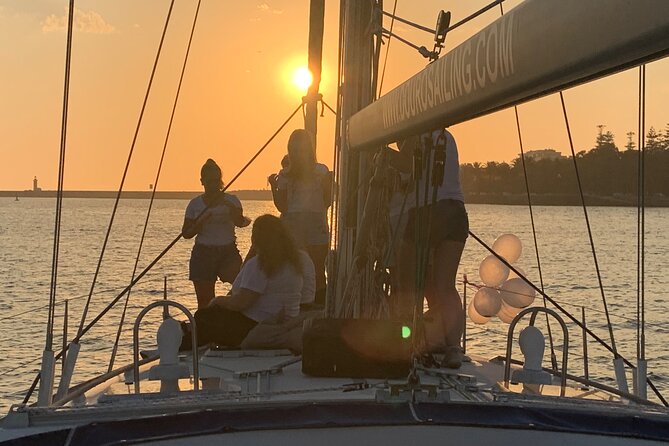
2) port and wine tasting with snacks
3) a small group experience capped at 10 people
That combination is usually where the value is. If you only wanted views, a ferry ride might seem cheaper. But this tour packages the drink-and-snack part with on-the-water explanation and local context, which is exactly what makes a two-hour window feel productive instead of random.
Also, the small group size changes how you experience the tasting. It feels less like receiving service and more like enjoying a shared moment, especially when the crew talks through what you’re seeing—like the bridge engineering or why the rabelo boats mattered.
If you’re watching your budget, treat this as a “one paid experience” highlight. Use the rest of your time to walk Ribeira, browse wineries, and eat well on foot.
Who should book this Porto Douro sailing cruise
This is a strong match if you want:
- a relaxed way to see Porto from the river without a full-day plan
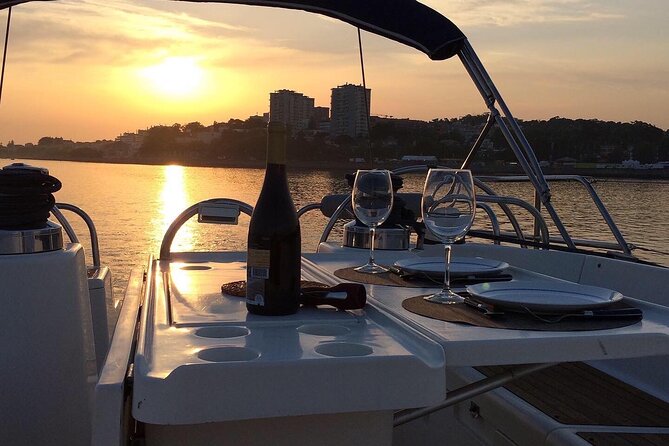
- a sunset-style evening option (the timing can make the skyline feel extra special)
- a wine tasting that doesn’t require a separate day-trip to the Douro Valley
- a more personal boat setting thanks to the max 10 group size
It can also work well for families. One group described bringing teens and still finding the experience engaging, mostly because the hosting and pacing kept it easy.
If you want nonstop lectures or a tightly scheduled land-and-museum sprint, this may feel calmer than you expect. The best way to get the most is to ask questions during natural moments—bridges, the estuary, the rabelo history, or what to do next in Porto.
Should you book this tour or not?
Yes, book it if you want a high-impact Porto moment in a short time. The combo of bridge views (Arrábida and Dom Luís I), UNESCO Ribeira context, and the drinks-and-snacks tasting makes the price feel reasonable for what you get—especially in a small group.
Don’t book it if your top priority is a long, deeply detailed museum-style tour on land. This is a sailing experience, and it’s designed to be pleasant rather than exhausting.
If you’re deciding between a daytime cruise and an evening cruise, go with timing that fits your energy. Either way, bring a layer and expect the river to set the pace.
FAQ
How long is the Douro Boat Tour with wine tasting?
It’s listed as about 2 hours.
Where does the tour start and end?
The meeting point is Marina da Afurada, R. da Praia 430, 4400-554 Vila Nova de Gaia, Portugal, and the activity ends back at the same meeting point.
What is the price per person?
The price is $44.22 per person.
Is the tour offered in English?
Yes, it’s offered in English.
How large is the group?
The tour has a maximum of 10 travelers.
What drinks and food are included?
The experience includes wine tasting with snacks. Additional drinks and wine can be purchased onboard, and you may be able to bring your own drinks.
What sights does the cruise cover?
You’ll pass by major Porto and Gaia landmarks including Ponte da Arrábida, Alfândega Porto Congress Centre, Cais da Ribeira, Dom Luís I Bridge, and the Douro estuary area near Afurada, plus points tied to rabelo boats and the Museu do Carro Elétrico.
What if the weather is poor?
This experience requires good weather. If it’s canceled due to poor weather, you’ll be offered a different date or a full refund.
What is the cancellation window for a full refund?
Free cancellation is available, and you can cancel up to 24 hours in advance for a full refund.
Are service animals allowed?
Yes, service animals are allowed.