REVIEW · POMPEII ARCHAEOLOGICAL SITE
Pompeii: Archeological Tour & Wine Tasting at Mt. Vesuvius
Book on GetYourGuide →Operated by Grand Tour Experience · Bookable on GetYourGuide
Pompeii can feel overwhelming, then it clicks. This 5-hour small-group tour pairs skip-the-line access at Porta Marina Superiore with a guided walk through the city’s best ruins, before you head to Casa Setaro for lunch and wine with Vesuvius views.
Two things I like a lot are the expert guidance (you won’t just wander—you’ll understand what you’re seeing) and the way the food-and-wine portion feels like a real break, not an afterthought. One consideration: Pompeii is a lot of walking on uneven ground, and the tour is not suitable for wheelchair users (electric wheelchairs also aren’t allowed).
In This Review
- Key things you’ll notice on this Pompeii + Vesuvius day
- Getting in fast at Porta Marina Superiore
- Pompeii’s streets and spaces: what the guided walk actually covers
- The domus portion: frescoes and mosaics you’ll want to stop for
- “When the theatre is open” and other timing reality checks
- Small group pacing: how the tour avoids turning into a sprint
- The transfer to Vesuvius and the Casa Setaro winery experience
- Lunch on Vesuvius: what you’re actually eating
- Wine tasting: 4 wines plus Lacryma Christi selection
- Price and value: does this $135.94-per-person tour make sense?
- What to bring (and what can trip you up)
- Who this tour fits best
- Should you book it?
- FAQ
- Where do we meet for the tour?
- What time of day is the tour?
- How much time do we spend at Pompeii?
- Do we get skip-the-line entry?
- What’s included with the wine tasting and lunch?
- Is there a gluten-free menu?
- Are drinks included?
- What should I bring?
- Is the tour wheelchair friendly?
- Is free cancellation available?
- What languages are the guides?
Key things you’ll notice on this Pompeii + Vesuvius day

- Porta Marina Superiore start: you begin at the main entrance area and move early enough to dodge some crowd chaos.
- Professional archaeologist and licensed guide: you get context for streets, buildings, and daily life, not just dates.
- Priority line and separate entrance: less time stuck at the ticket office.
- Fresco-and-mosaic Roman homes: the tour includes recently opened houses with decorative details.
- Pompeii “high points” pacing: domus, baths, forum areas, theatre (when open), and plaster casts are part of the mix.
- Winery lunch with a structured tasting: multiple wines plus a Limoncello shot, paired with a chef-prepared Vesuvian menu.
Getting in fast at Porta Marina Superiore
Your day starts at Porta Marina Superiore, and you’ll want to arrive about 10 minutes early so the group can form and your guide can get you moving. The payoff is simple: you use a separate entry and a priority line, which matters in Pompeii because lines can eat up your limited time.
Once you’re in, you’re not wasting the first half hour playing catch-up. You pass through the ancient gate area and start orienting yourself quickly—where the main approaches were, where key spaces sit, and how the city’s layout funnels you toward the big sights. It’s one of those tours where the guide helps you get your bearings fast, so the ruins start telling a story instead of looking like random stone.
A nice touch: the group is capped at 10 participants, which keeps things from feeling like a cattle shuffle. Headsets are used on the tour (handy if you’re in busier stretches of the site), so you can keep listening while you look around.
Pompeii’s streets and spaces: what the guided walk actually covers
The Pompeii portion runs about 2 hours, and it’s built to hit the moments that make Pompeii feel real. You’ll walk through major architectural areas—basilica-like spaces, forum market areas, and the main temples—so you understand how public life worked.
Here’s the part I think you’ll appreciate: the tour doesn’t treat buildings like museum props. Your guide ties each stop to daily life. For example, when you move along the Decumanus Major (the main street), you’re not just seeing columns and paving stones. You’re also picking up how shops, restaurants, and street activity would have felt in ancient times.
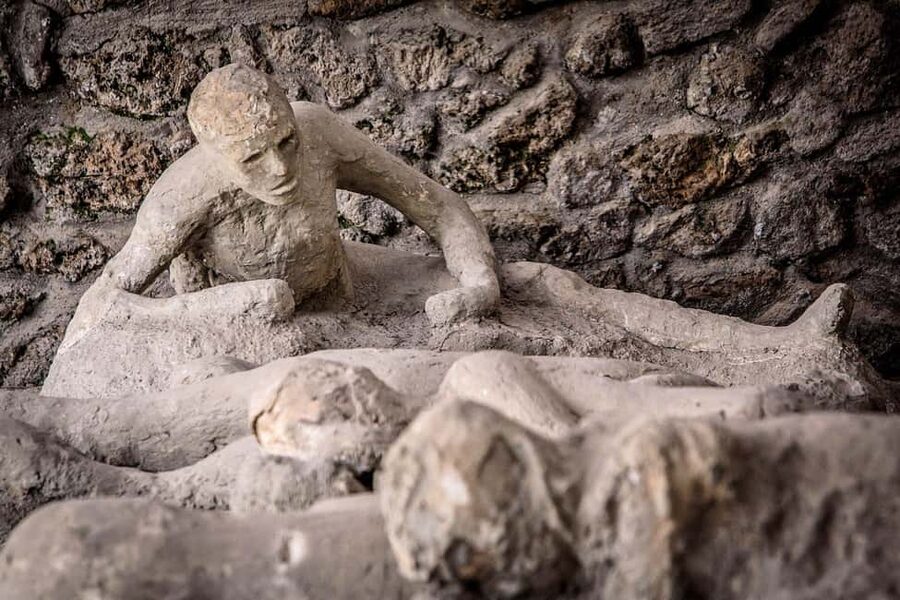
Along the way, you’ll see details that people talk about for a reason: the plaster casts of bodies, the theatre area (when it’s open and not under maintenance), and the Gladiators Barracks. You’ll also spot the famous Roman sexuality sign—one of those Pompeii oddities that instantly makes the ancient world feel less distant and more human.
The domus portion: frescoes and mosaics you’ll want to stop for
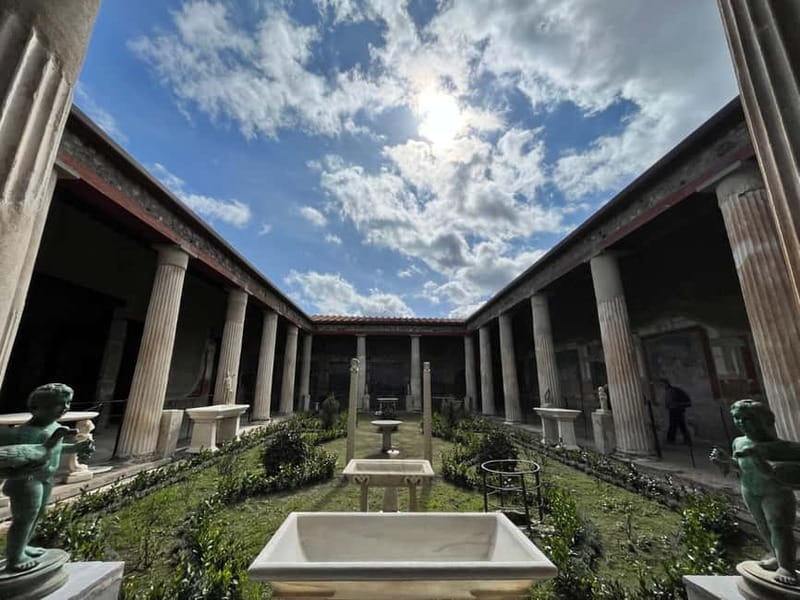
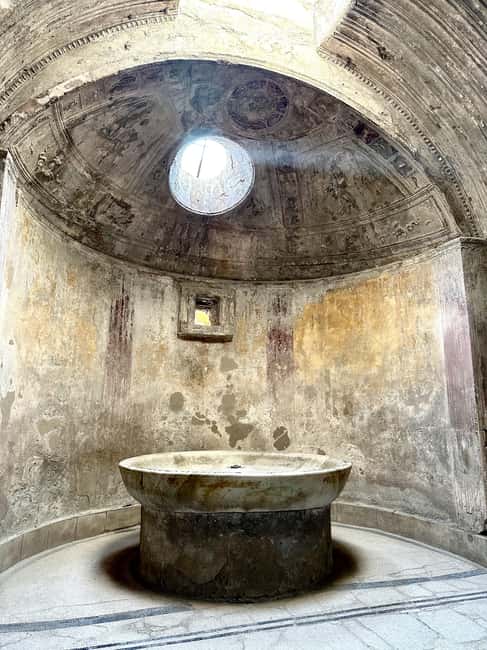
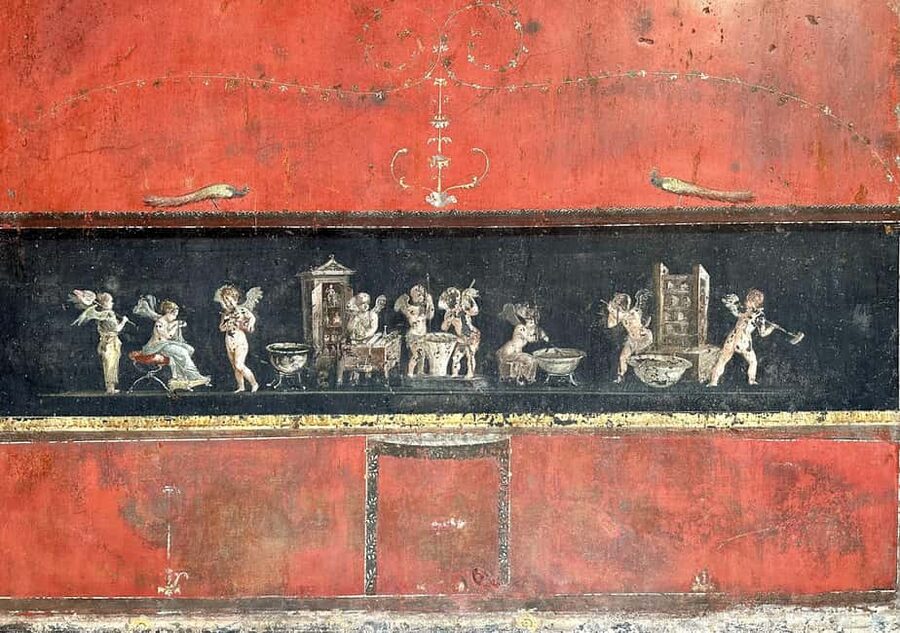
A standout feature is that you get to see some of the most picturesque houses, the domus, with decorative elements like frescoes and mosaics. The tour description points out that these homes are part of a recently opened offering, and that’s exactly why this matters.
Many Pompeii tours give you the basics and then rush you through what’s visually important. This one is more balanced. You get time to look at the plaster, the painted surfaces, and the flooring details that help the ruins feel lived-in—even if the buildings are gone, the decoration signals wealth, taste, and identity.
This is also where your guide’s style shows. Some guides focus on stories; others focus on structure. On this tour, you’re likely to get both, and it’s usually guided by leaders who can keep a group moving without skipping the good visual moments. Names you might encounter include Nenna, Sonia, Roberta, Livio, Ricardo, Kyra, and Enrica, each praised for bringing Pompeii to life with a clear, engaging explanation.
“When the theatre is open” and other timing reality checks
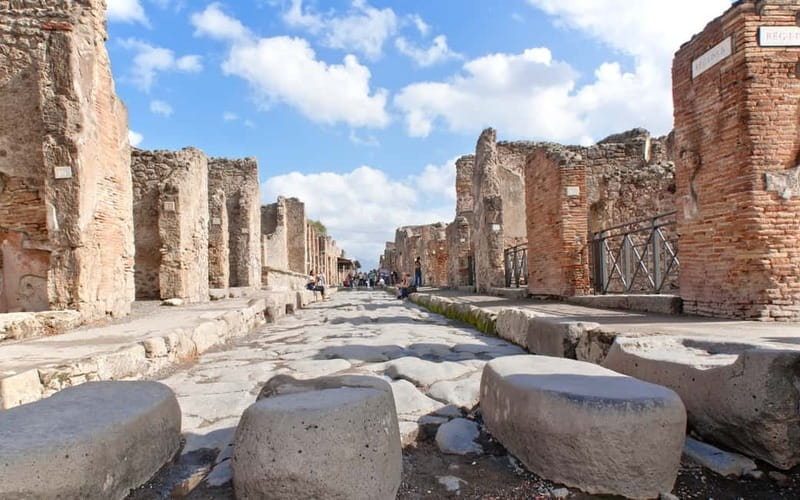
Pompeii is a working archaeological site, so not everything is guaranteed at every moment. The tour includes the theatre when it’s open and not in maintenance. That’s a polite way of saying: if maintenance blocks a spot, you won’t stand around waiting.
If the theatre is accessible, it’s one of the better places to notice how Pompeii’s public architecture connected with crowds. If it isn’t, you’ll still get a solid set of highlights—plaster casts and the Gladiators Barracks are on the list either way.
Small group pacing: how the tour avoids turning into a sprint
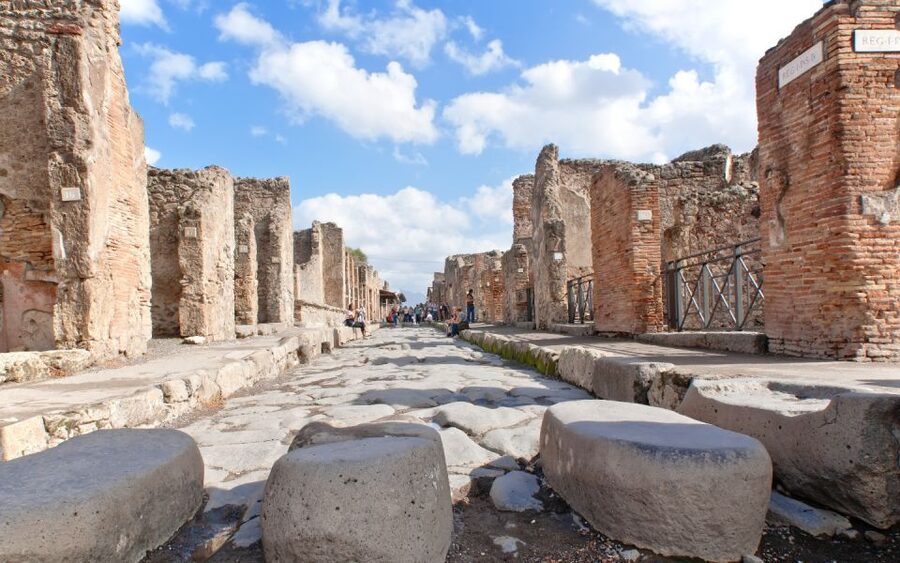
This is one of the more consistently praised parts of the experience: the guide works to keep the group engaged without racing past everything. Many people highlight how the guide stays patient, chooses good pacing, and adjusts to weather.
In practical terms, that can mean shade breaks when the day is hot, and small stops that let you actually read and notice. A few guides are mentioned for doing this well, including Roberta, who was specifically noted for finding shade during heat, and Enrika for making the experience feel energetic and organized.
Also, because the group is small, you’re less likely to end up lost. You’re listening through headsets while you watch, and that makes Pompeii less chaotic.
The transfer to Vesuvius and the Casa Setaro winery experience
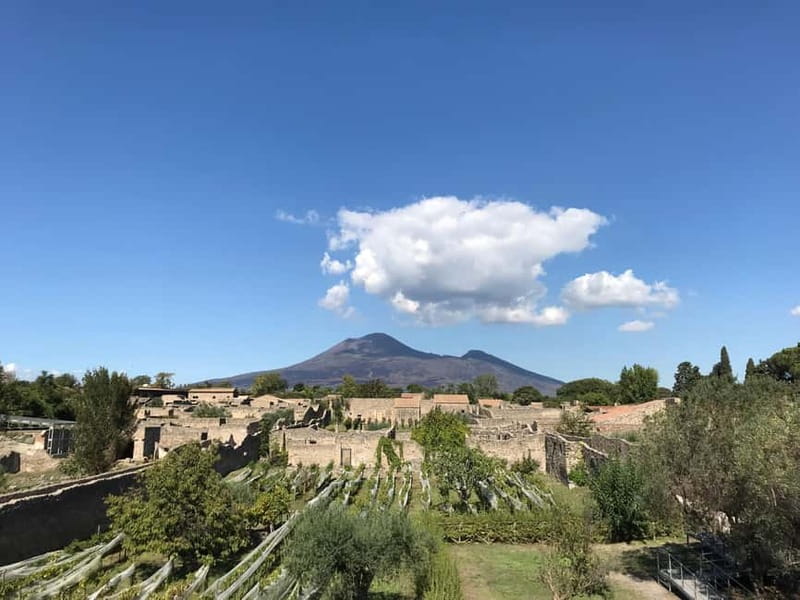
After your guided Pompeii walk, you head to the vineyard area near Mount Vesuvius. The tour uses a van/minibus style transfer, and the whole point is to get you from the ruins into something less stone-and-sun and more relaxed.
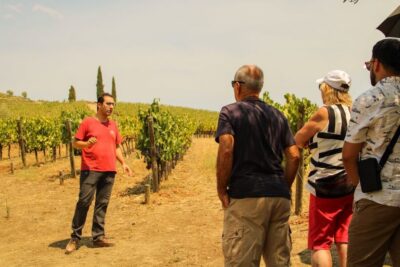
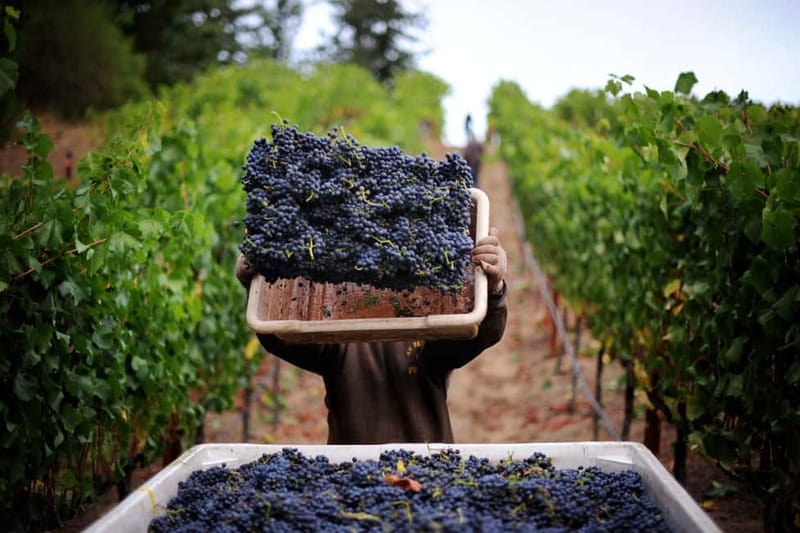
The winery stop is at Casa Setaro, and it’s designed to feel like a proper winemaking experience rather than a quick photo stop. You’ll learn about viticulture techniques used across multiple generations of wine masters (so it’s not just tasting notes).
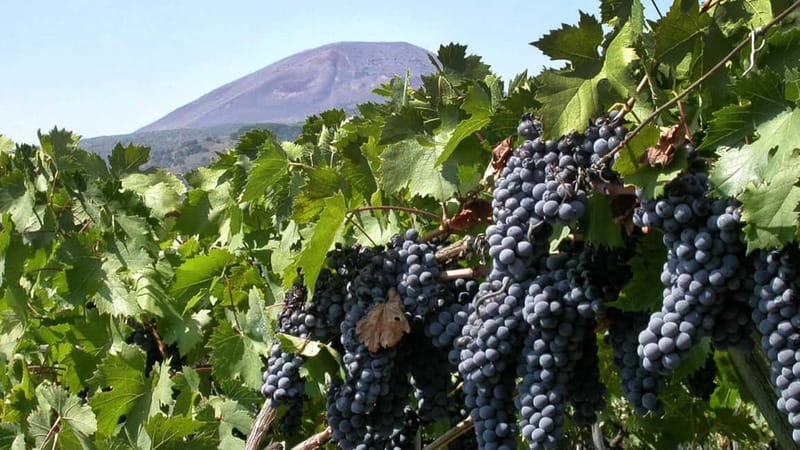
From there, you’ll also get a change of pace in setting. One of the perks mentioned in feedback is the view of Vesuvius from the winery area, plus the fact that Casa Setaro feels modern compared with the ancient site you just left. It’s a satisfying contrast: old city, then living agriculture.
Lunch on Vesuvius: what you’re actually eating
The chef-prepared menu is a real part of the value. You get an aperitif with finger food, plus handmade bread and buffalo butter, along with anchovies and olives. Then it moves into courses built around classic Neapolitan flavors.
What comes through on the menu:
- Antipasto (the tour lists Neapolitan items as part of the course flow)
- Neapolitan ragù with local pasta
- Big caponata with red and yellow tomatoes
- Dessert: tiramisù
- A digestive finish with a Limoncello shot
One more practical detail: gluten-free menus are available, but you need to let the operator know in advance. If you have dietary needs, plan ahead so you don’t end up with last-minute substitutions.
Wine tasting: 4 wines plus Lacryma Christi selection
The tasting is structured and tied to what you’re eating. You’ll get wine tasting with different wines, including a Lacryma Christi selection, plus the Limoncello shot at the end.
A few people say this is one of their first great wine moments in Italy, and others mention the food-and-wine pairing feeling thoughtful rather than generic. It’s also a shop-and-ship kind of experience: several guests talk about buying bottles to take home later.
If you’re a wine person, you’ll likely enjoy the contrast between what’s ancient in Pompeii and what’s current in the vineyard practices. If you’re not a wine person, the pairing and the sheer quality of the lunch tend to be what makes the winery stop memorable.
Price and value: does this $135.94-per-person tour make sense?
At $135.94 per person for about 5 hours, you’re paying for three things at once:
- Pompeii admission plus a guide team (including an archaeologist/licensed guide),
- Skip-the-line entry to reduce wasted time,
- A real vineyard meal + tasting at the end, including lunch and multiple drinks.
If you tried to recreate this solo, you’d likely spend time booking separately, managing transport between Pompeii and the vineyard, and figuring out what to actually see in Pompeii with limited time. The small-group format (max 10) also helps here: you’re not splitting attention among a huge crowd.
The main reason the price feels fair is that Pompeii is the hardest part to do well in a short window. Most visitors don’t leave with clarity unless someone helps. This tour is built to provide that clarity, then rewards you with a proper lunch afterward.
What to bring (and what can trip you up)
This tour is best when you show up prepared. Pompeii can be hot, bright, and changeable. Bring:
- Comfortable shoes (expect uneven ground)
- Umbrella and rain gear
- Sunscreen and comfortable clothes
- ID or passport (important)
One special note that matters: Pompeii changed ticketing rules aimed at stopping illegal resellers. Your full name and surname must match the ticket, and tickets are personal. You’ll need your original passport or ID at the site. The advice is simple: don’t be late, and make sure your name details are correct.
Also: no pets, and electric wheelchairs aren’t allowed.
Who this tour fits best
This is a great match if you want:
- a guided Pompeii visit that hits the highlights without turning into a marathon,
- a small group with a guide who explains what you’re looking at,
- a lunch-and-wine finish that feels worth the effort.
It’s also ideal if you’re short on time in the Naples/Campania region and want one organized day that covers both ancient and modern tastes.
If you hate walking or struggle with long periods on your feet, you should think twice. Pompeii’s terrain is the reality here, not a choice by the operator.
Should you book it?
I’d book this tour if your priority is a guided Pompeii you can actually follow, then a winery lunch with tastings that doesn’t feel rushed. The best version of this day is when you get one of the more engaging guides mentioned in feedback, because the difference between reading ruins alone and understanding them with context is huge.
I’d skip or choose something else if you can’t do uneven walking comfortably, or if you’re looking for a slow, open-ended Pompeii wander. This is structured. The payoff is that you leave with a clear sense of the city.
If you book, do one smart thing: plan your outfit for sun and rain, bring the right ID, and show up early at Porta Marina Superiore. That’s how you get the smooth start and the full value of the day.
FAQ
Where do we meet for the tour?
You meet your guide at Porta Marina Superiore. Plan to arrive about 10 minutes before the activity starts.
What time of day is the tour?
The tour runs for about 5 hours, but the exact starting time depends on availability.
How much time do we spend at Pompeii?
The Pompeii guided portion is about 2 hours.
Do we get skip-the-line entry?
Yes. You use a priority line and a separate entrance to avoid waiting at the ticket office.
What’s included with the wine tasting and lunch?
Lunch and tasting are included, including a Vesuvian menu with courses (including tiramisù) and a wine tasting with multiple wines plus a Limoncello shot.
Is there a gluten-free menu?
Yes, gluten-free menus are available, but you must let the operator know in advance.
Are drinks included?
Wine tasting is included with the lunch. The menu also includes a Limoncello shot as part of the experience.
What should I bring?
Bring passport or ID, comfortable shoes, and plan for weather with an umbrella and rain gear. Sunscreen and comfortable clothes help too.
Is the tour wheelchair friendly?
The activity is not suitable for wheelchair users, and electric wheelchairs are not allowed.
Is free cancellation available?
Yes. You can cancel up to 24 hours in advance for a full refund.
What languages are the guides?
The tour is offered in Italian and English.