REVIEW · SICILY
Palermo: Pasta and Tiramisu Small Group Cooking Class with Wine
Book on Viator →Operated by The Roman Food Tour - Food Tour Rome · Bookable on Viator
Pasta night in Palermo feels like a local ritual. This small-group cooking class gets you hands-on with fresh pasta techniques and classic tiramisu, then you sit down to eat what you made with wine. You even start with a welcome glass of Prosecco before heading behind the scenes.
I love how structured the lesson is. You learn the dough basics step by step, including how flour choices affect the result and what actually separates pasta fresca from pasta secca. I also like the social size: a capped group of 12 makes it easy to ask questions and compare notes.
One consideration: the class is built around traditional recipes with gluten, dairy, and eggs, so it’s not recommended for egg allergy, lactose intolerance, gluten intolerance/allergy, or a vegan diet. They can offer substitutes, but cross contamination can’t be guaranteed.
In This Review
- Key Highlights You’ll Care About
- Meeting at Piazza Bologni: What Happens Before You Cook
- The Small-Group Kitchen Setup (And Why It Feels Different)
- Making Fresh Pasta Dough: Flour, Technique, and the Fresca vs Secca Lesson
- Fettuccine and Ravioli Practice: Where Your Hands Do the Work
- Tiramisu From Scratch: Layers, Timing, and Coffee-Chocolate Balance
- Lunch or Dinner With Wine Pairing: Eating What You Cook
- Price and Value: Is $83.48 Worth It?
- Who This Class Suits Best (And Who Should Skip It)
- Should You Book This Palermo Pasta and Tiramisu Class?
- FAQ
- How long is the Palermo pasta and tiramisu cooking class?
- Is the class taught in English?
- What drinks are included?
- How big is the group?
- Is the class suitable for gluten or lactose intolerances, or egg allergy?
- Where does the class meet?
- What is the cancellation policy?
Key Highlights You’ll Care About
- Small group, capped at 12 so you’re not lost in the crowd
- Welcome Prosecco plus complimentary wine and soda during the meal
- Hands-on fresh pasta dough instruction with flour guidance and technique
- Tiramisu training so you’re making the layers, not just watching
- English-led class with no language barrier pressure
Meeting at Piazza Bologni: What Happens Before You Cook
The class starts at Carlo VPiazza Bologni, 22, 90100 Palermo. It’s a straightforward meetup point and it’s described as near public transportation, which matters in Palermo where you might otherwise spend time hunting parking or sorting street directions.
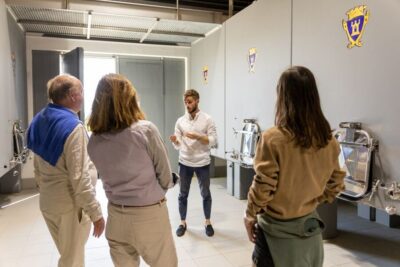
When you arrive, you step inside and get a welcome glass of Prosecco. That small moment matters because it flips the evening from wandering to doing. After that, you head behind the scenes to see how an authentic Italian restaurant runs—real workflow, real pace, and a kitchen set up for serving guests.
If you’re the type who likes to understand what you’re eating, this stage helps. Instead of only tasting, you see the rhythm of an Italian place in Palermo before you grab your apron. You also get situated with the group so you’re not walking in cold.
You can also read our reviews of more tours and experiences in Sicily.


The Small-Group Kitchen Setup (And Why It Feels Different)
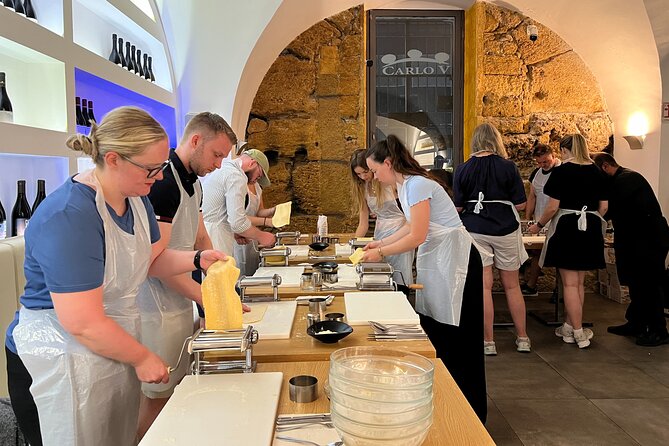
This experience is capped at 12 travelers, which is a sweet spot for a cooking class. Big groups can feel like you’re waiting your turn. Here, you get enough attention that the instructor can correct technique when your dough needs it.
The class is offered in English, so you can focus on learning instead of translating in your head. You’ll still work with Italian food terms, but the guidance is given clearly enough that you won’t need a language app to understand what to do next.
One detail I appreciate from the way people describe the experience: the group starts in a welcoming setting, then the cooking portion is set up for you—everything staged so you can actually cook. You’re not spending the first hour figuring out where the flour is.
Making Fresh Pasta Dough: Flour, Technique, and the Fresca vs Secca Lesson
Once you’re in the kitchen, you tie on your apron and move to your workstation. This is where the class becomes practical. You get step-by-step guidance to make pasta dough, and you learn what kind of flour to use, plus how to handle and shape it.
The most useful concept you’ll take home is the difference between pasta fresca and pasta secca. Fresh pasta typically means softer dough and shorter drying or no drying at all. Dried pasta is made for storage and has a different texture and cooking behavior. Knowing this isn’t just trivia—it affects how pasta cooks and how it feels on the fork later.
Here’s what you should pay attention to while you’re working:
- Dough texture during mixing and kneading (how it comes together, how it stretches)
- Resting time (so it rolls without tearing)
- Rolling and shaping thickness (too thick can feel heavy; too thin can get fragile)
Also, the class context helps. You’re doing this inside an active restaurant environment, so the goal is food you can actually eat and serve—not just classroom practice.
Fettuccine and Ravioli Practice: Where Your Hands Do the Work
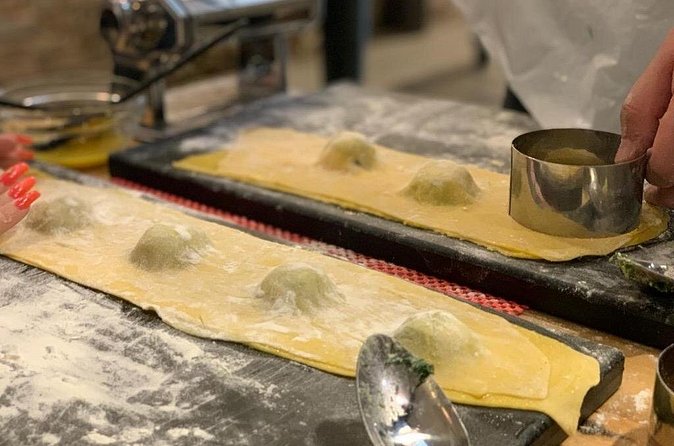
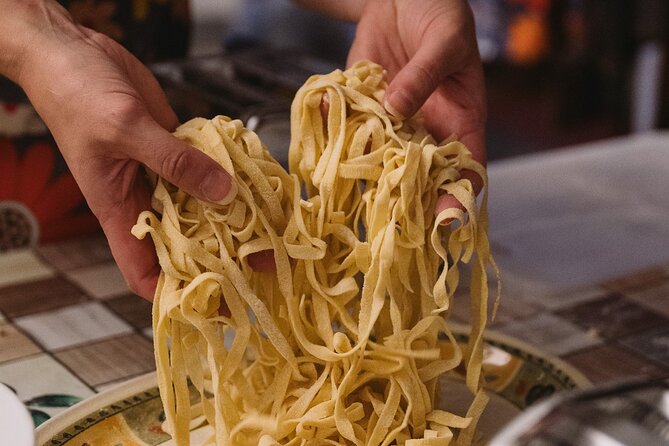
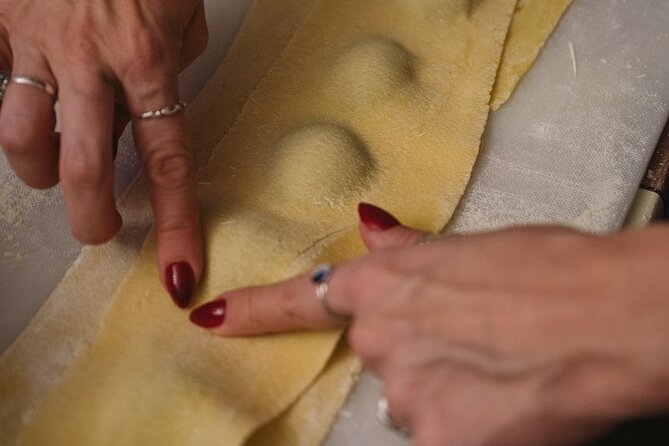
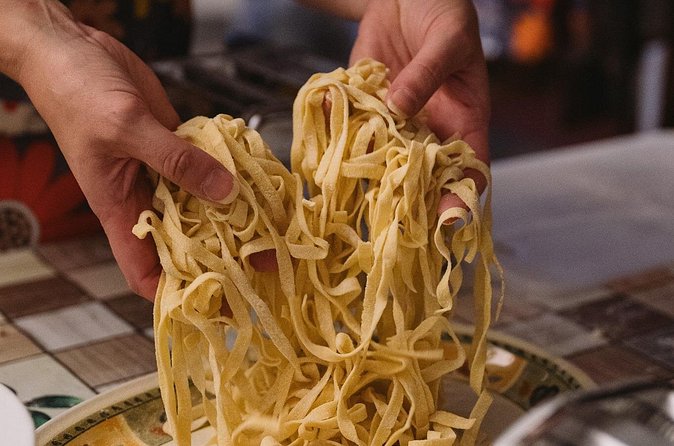
The main course centers on fresh pasta, and the sample menu points to two standout styles: fettuccine with tomato sauce and ricotta-and-spinach ravioli finished with butter and sage.
In other words, you’re not only learning one trick. You’re learning how dough becomes a long ribbon pasta and how dough becomes filled pasta.
Fettuccine-style pasta is usually about consistency and even thickness. If your ribbons are uniform, the sauce clings better and the pasta cooks evenly. It’s also a confidence builder because you can visually track whether you’re rolling right.
Ravioli is a different skill set. The filling has to be proportioned so it tastes balanced, and the sealing has to hold during cooking. Ravioli can be forgiving if the dough is worked properly, but it can also leak if you rush the edges. This is where the instructor’s pacing matters.
One thing I’d watch for: don’t treat ravioli as only a final shape. Treat it as a system—filling distribution, sealing, and making sure you’re not overstuffing. That’s the stuff that decides whether they come out looking good and eating well.
From the way the class is described, you’ll spend real time at your station making pasta. Then, at the end, you eat it—so the effort doesn’t vanish into the kitchen trash.
Tiramisu From Scratch: Layers, Timing, and Coffee-Chocolate Balance
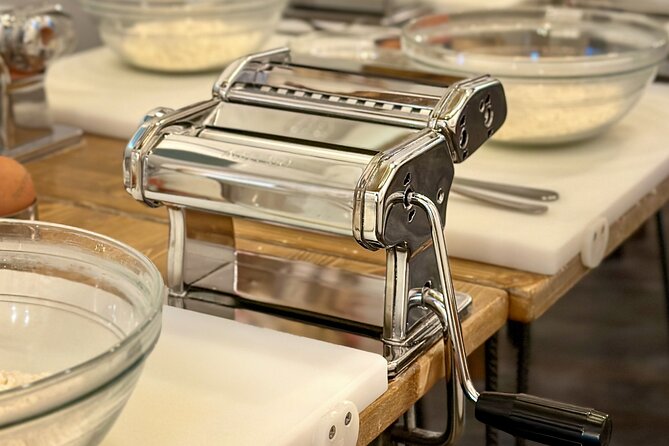
Dessert is tiramisu, and the class teaches you how to prepare it, not just assemble it. You’ll start with making tiramisu and then move on to the pasta portion, so you get the thrill of dessert early and the satisfaction of a full meal later.
Tiramisu is a deceptively simple dessert. The structure is what makes it hard: layers need to be consistent, and the texture should land somewhere between creamy and set, not watery or overly stiff.
The class approach is what helps. You’re guided step-by-step, which is the difference between making something that’s edible and making something that’s actually right. You’ll learn how to build the layers and how to think about the final balance—coffee, sweetness, cream, and that signature cocoa finish.
Practical tip for your memory: when you’re learning desserts, don’t just watch your instructor’s hands. Watch the texture changes. Tiramisu should evolve as you work. If you understand what you’re aiming for, you’ll be able to repeat it later with less guesswork.
You can also read our reviews of more wine tours in Sicily

Lunch or Dinner With Wine Pairing: Eating What You Cook
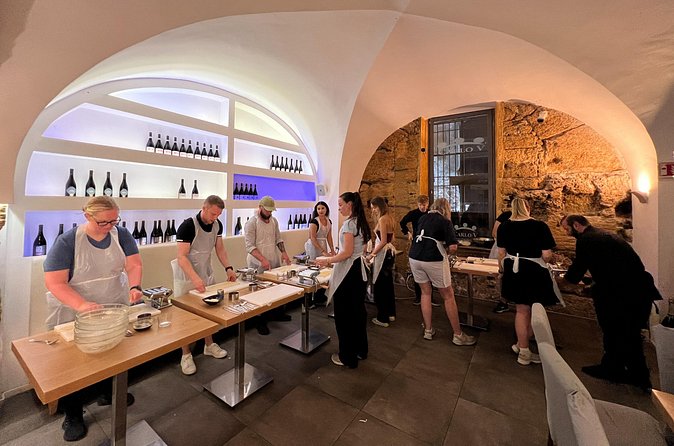
At the end, you all sit down together for lunch or dinner, depending on the timing of your session. This is one of those parts that makes the price feel more justified, because you’re not only paying for cooking instruction—you’re paying to enjoy the result.
And yes, wine is part of the deal. You’ll have complimentary wine and soda, and you start with Prosecco at the beginning. During the meal, there’s wine pairing that’s described as matching the dishes you made.
A nice bonus is that the meal feels like a restaurant experience, not a picnic. People describe it as served and organized, with the group moving back to the original meeting area area afterward. That structure keeps the night from getting chaotic.
What should you do if you’re watching how the pasta and sauce behave? Take a slow bite and notice:
- How the pasta feels against the sauce
- Whether the ravioli edges hold their sealing
- How the sauce level matches the pasta portions you shaped
This is how you learn. Cooking classes are great, but tasting your work teaches you the most.
Price and Value: Is $83.48 Worth It?
At $83.48 per person for about 3 hours, the value comes from three things that aren’t just marketing:
- You make both pasta and tiramisu (not one quick demo).
- You get guided instruction that includes pasta dough basics and the fresca vs secca idea.
- You also get a meal with wine and soda plus a welcome Prosecco.
If you’re comparing it to paying for a pasta dinner plus a dessert elsewhere, you’re not only eating. You’re learning skills you can repeat. And if you’re coming to Palermo and want a focused, “do something” experience, this is more memorable than another stroll with a gelato stop.
The small group size also raises the practical value. When you can ask questions and get direct feedback, the class time is more efficient.
Just note the dietary limits up front. Traditional recipes include gluten, dairy, and eggs, and while substitutes may be available, cross contamination can’t be guaranteed. If that’s a problem for you, you may want to choose a different activity or double-check suitability before booking.
Who This Class Suits Best (And Who Should Skip It)
This is a strong fit if you:
- Want a hands-on food experience in Palermo that lasts about 3 hours
- Like learning cooking techniques you can recreate at home
- Prefer a small capped group setting
- Travel solo and want an easy way to meet people in the same room (the group format makes conversation natural)
You should think twice if you:
- Have an egg allergy
- Are vegan
- Are lactose intolerant
- Have gluten intolerance or allergy
- Need guaranteed allergen-free food (substitutes may exist, but cross contamination isn’t guaranteed)
Also, you’ll want to show up hungry but ready to work. This isn’t a passive tasting. You’ll knead, roll, shape, and assemble, then eat what you made with wine.
Should You Book This Palermo Pasta and Tiramisu Class?
If your goal is to leave Palermo with real cooking skills and a meal that feels like it belongs to the city, I’d book this. The combination of pasta dough instruction, ravioli/fettuccine-style pasta focus, and tiramisu practice gives you a complete food experience in a short window.
It’s especially worth it when you value small group attention and you’re comfortable with traditional ingredients. If wine and Prosecco are part of how you like to travel, this class makes it easy: you get that drink flow from the first moment.
But if your dietary needs are strict—especially for eggs, gluten, or lactose—don’t assume substitutions will fully solve it. The class is centered on the traditional recipe, and cross contamination can happen.
If that works for you, this is one of those “cook, eat, learn” nights that you’ll talk about long after you’ve left the stove.
FAQ
How long is the Palermo pasta and tiramisu cooking class?
It runs for about 3 hours.
Is the class taught in English?
Yes, the class is offered in English.
What drinks are included?
You start with a welcome glass of Prosecco, and you can choose from complimentary wine and soda during the meal.
How big is the group?
The class has a maximum of 12 travelers.
Is the class suitable for gluten or lactose intolerances, or egg allergy?
It is not recommended for egg allergy, lactose intolerance, or gluten intolerants/allergic. Substitutes may be offered, but the instructions focus on the traditional recipe and cross contamination cannot be guaranteed.
Where does the class meet?
The meeting point is Carlo VPiazza Bologni, 22, 90100 Palermo PA, Italy.
What is the cancellation policy?
There is free cancellation. You can cancel up to 24 hours in advance for a full refund. If you cancel less than 24 hours before the start time, the amount paid is not refunded.