REVIEW · CORTE PAVONE WINERY
Montalcino: Guided Winery Tour & Gourmet Food Tasting
Book on GetYourGuide →Operated by Loacker Wine Estates · Bookable on GetYourGuide
A wine tour that starts in the vines. This Montalcino experience at Corte Pavone pairs a walk through biodynamic vineyards with a guided cellar tour, then finishes with a six-wine tasting matched to gourmet bites. It’s a good mix of outdoors time, real winemaking details, and food that makes the wines easier to remember.
What I like most is the hands-on, senses-first approach: you’ll touch, smell, and look around as your guide explains what’s happening in the vineyard and why. And you’ll get your money’s worth in the tasting room with 6 wines split into 3 flights, each paired with a designed bite so you can notice how flavors shift, not just what tastes good.
One thing to plan around: the outside portion can feel quick when it’s hot, and some people note the tasting portions are small—so don’t show up starving. If you want a full meal, plan dinner after, not before.
In This Review
- Key moments that make this tour worth your time
- Entering the Brunello Cru vineyards at Corte Pavone
- Biodynamic viticulture: what you’ll actually take away
- Inside the cross-vaulted cellar: how aging choices change flavor
- Six wines and gourmet bites: the format that makes pairing make sense
- Choose your tasting path: Dynamic Brunello Cru or the Corte Pavone range overview
- Dynamic Brunello Cru Tasting
- Signature Corte Pavone Tasting
- Food pairing reality check: tasty, but don’t arrive hungry
- Your guide matters: friendly explanations in English or Italian
- Timing and pacing: why 2.5 hours works well in Tuscany
- Price and value: is $94 per person fair?
- Who this tour is best for (and who might want something else)
- Should you book this Montalcino winery tour?
- FAQ
- How long is the Montalcino guided winery tour and tasting?
- How many wines will I taste, and are there food pairings?
- What tasting options are available?
- Where do I meet for the tour?
- Does the tour run in English?
- Is there free cancellation?
- Can I reserve now and pay later?
Key moments that make this tour worth your time
- Biodynamic focus in the vines along the Brunello Cru route, with plenty of sensory cues
- Corte Pavone’s cellar tour, including the cross-vaulted area and explanations of aging choices
- Six wines in three flights, with a matched gourmet bite at each stage
- Two different tasting paths (Brunello Cru vs. Corte Pavone range overview)
- Small-group feel and guides who answer questions in Italian or English
- Vine-to-glass context, including winemaking steps like grape pressing
Entering the Brunello Cru vineyards at Corte Pavone
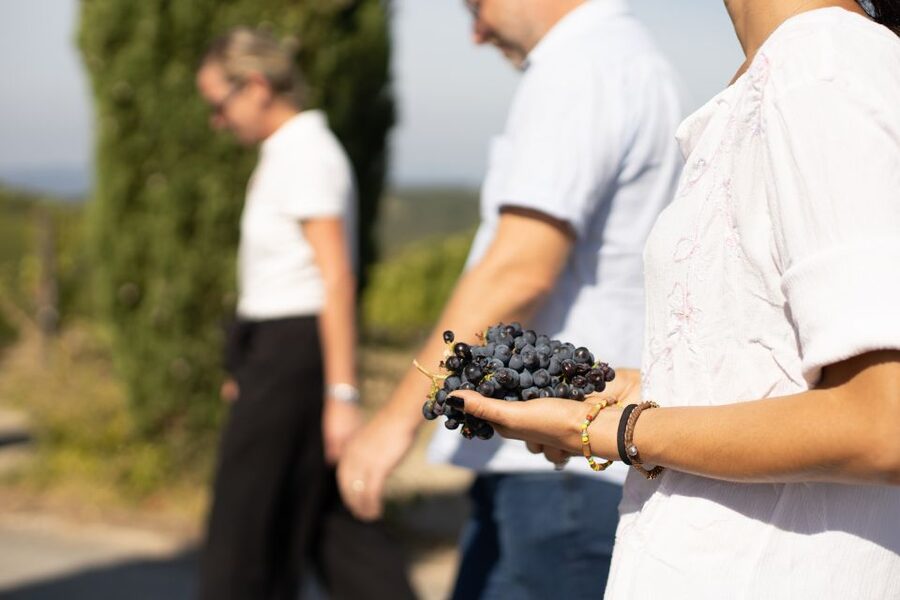
Corte Pavone is the kind of place where the setting does some of the work for you. The entrance comes up through a long avenue of cypress trees, and once you’re inside, the day shifts into vineyard mode fast. You’re not just looking at grapes from a distance. You’re walking the Brunello Cru path with a guide and learning how different areas shape the character of the wine.
The tour’s early pace is built for attention. Your guide keeps things moving along the vines while still encouraging you to notice the details that don’t make it into a typical “pretty vineyard photo” stop. Expect explanation of terroir in plain language—what changes from one plot to another and how those differences show up later in the glass.
And because this tour is tied to biodynamic viticulture, the vineyard talk isn’t only about what grows there. It’s also about the vineyard philosophy: how the team thinks about balance, timing, and how the vineyard fits into nature’s cycles. If you’ve ever wondered why two Brunellos can feel like they come from different planets, this is where the answer starts.
You can also read our reviews of more food & drink experiences in Corte Pavone Winery
Biodynamic viticulture: what you’ll actually take away
“Biodynamic” can sound like a buzzword if it’s dropped on you with no context. Here, it’s treated like a working approach. As you move along the vines, you’ll hear how the philosophy guides decisions in the vineyard—so the idea stays connected to practical viticulture, not just theory.
I like that the guide doesn’t keep everything at the level of labels. Instead, you get a tour that pushes you to use your senses: what the vineyard smells like, what you can observe up close, and what those observations are meant to suggest. It’s a good mental reset if your wine knowledge is mostly about names and tasting notes.
Also, you’ll hear the vineyard story in a way that supports the tasting later. You’ll see why the guide is spending time on vineyard differences before you ever sit down with a table of wines. That sequencing matters. By the time you taste, you’re not starting from scratch—you already have a framework for what to notice.
Inside the cross-vaulted cellar: how aging choices change flavor
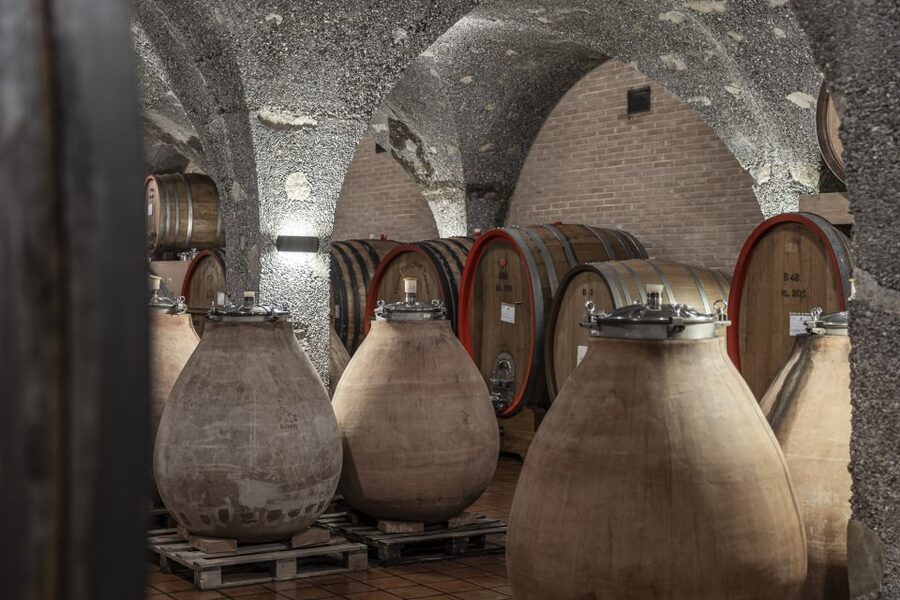
After the vineyard walk, you head to the winery with the day’s focus turning from “what’s growing” to “what’s changing.” The stop at the cellar is more than a quick photo moment. You’ll go into the area where wines mature, including a cross-vaulted cellar, and you’ll see multiple cellar levels.
The most useful part is the winemaking walkthrough. Your guide explains the steps in the process and then connects those choices to aging. You’ll learn why wine ages in different environments—like wood, concrete barrels, or amphoras—and what those materials tend to influence in the final wine.
This is where the tour becomes educational without turning into a lecture. You start to understand that winemaking isn’t one decision. It’s a chain of choices that keep shaping the wine’s texture, pacing, and flavor development. If you’re the type who likes knowing why a wine tastes the way it does, this cellar portion gives you language you can actually use at other wineries later.
One extra practical detail: some guides include seeing winemaking elements like grape pressing, so you get a tangible “from grapes to process” feeling rather than only walls and barrels.
Six wines and gourmet bites: the format that makes pairing make sense
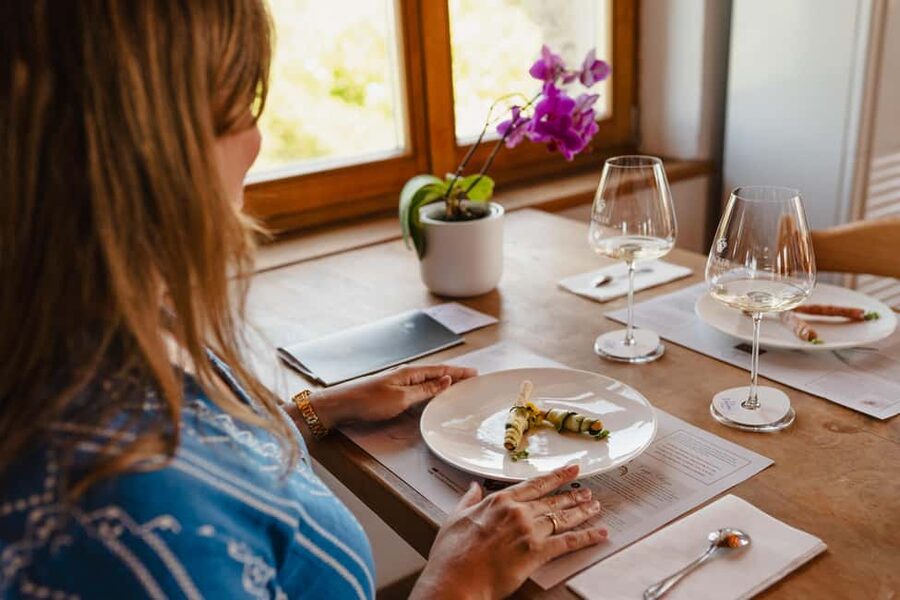
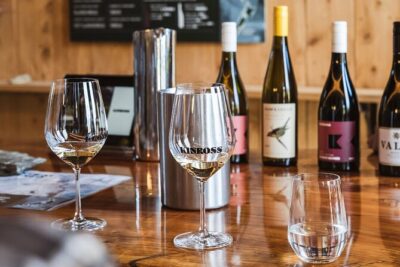
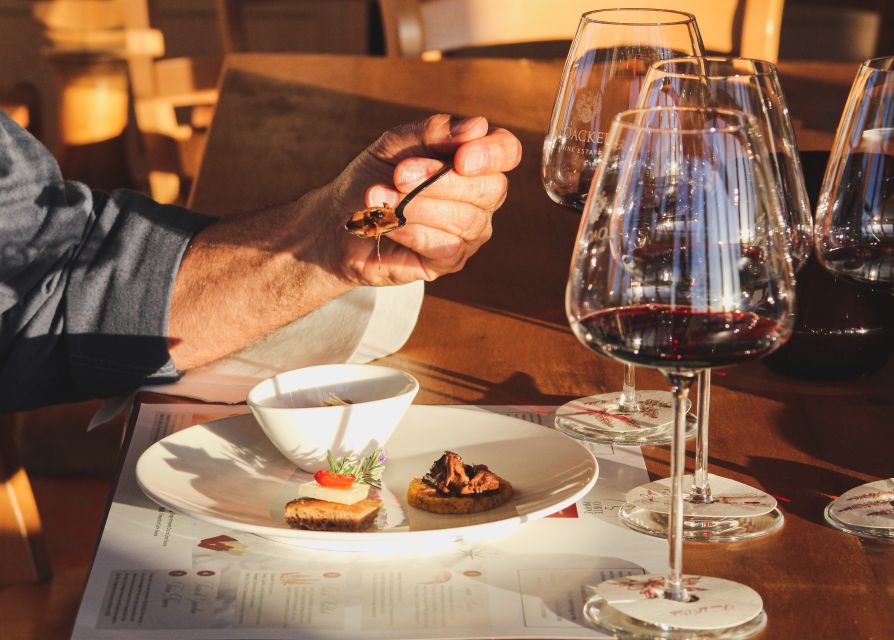
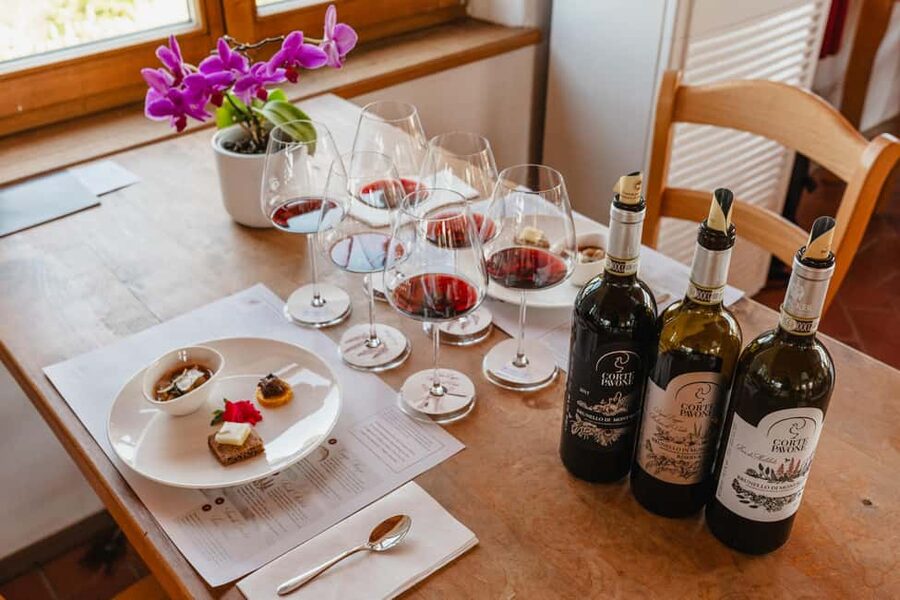
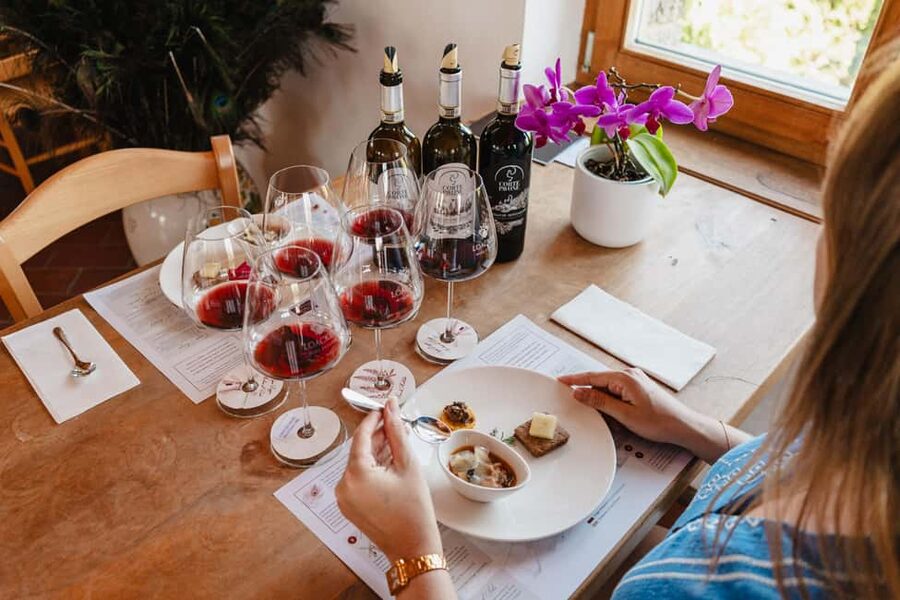
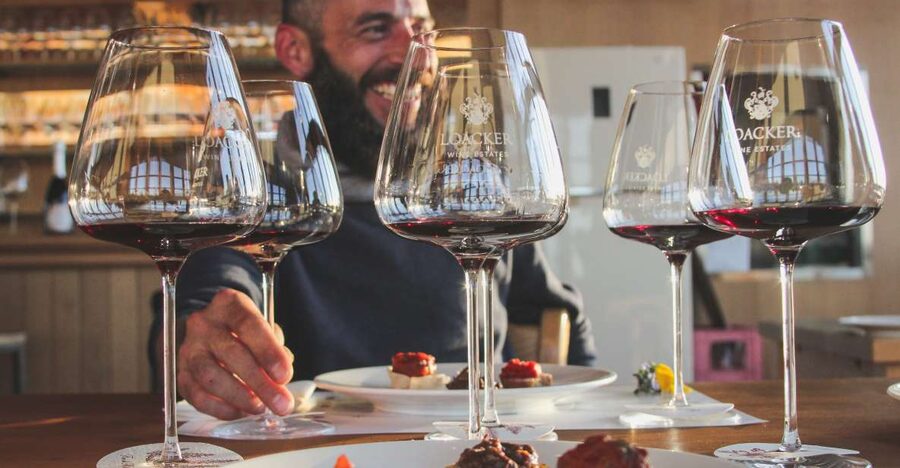
The tasting room experience is built around 6 wines in 3 flights, and each flight comes with a specially designed gourmet bite. That structure is great for first-timers and for serious wine people alike, because you’re tasting in stages instead of being dumped with a long lineup.
You can expect a nicely arranged table setup after the tour. Then the guide leads you through the tasting with enough time to notice what changes when you add food. This is not only about finding a favorite wine. The point is harmony: how flavors interact and how the bite can sharpen or soften what you sense in the wine.
Here’s what makes this format feel different from casual tastings: each pairing is designed to teach your palate something. One bite may highlight fruit, another may emphasize acidity or texture. Even if you’re not writing notes, you’ll start to sense patterns—like how certain food types make the wine taste brighter or rounder.
It’s also a comfortable pace for a 2.5-hour total experience. You get enough time to learn without losing attention, and you’re not stuck tasting for the entire afternoon.
Choose your tasting path: Dynamic Brunello Cru or the Corte Pavone range overview
You have two tasting options, and picking the right one depends on what you want out of the day.
Dynamic Brunello Cru Tasting
This option focuses tightly on Brunello and its single-vineyard expressions. You’ll taste:
- 1 vintage Brunello
- 3 Brunello Cru
- 2 Brunello Cru Riserva
If you’re a Brunello-focused person, or you want to compare how the “cru” and “riserva” styles feel across plots and aging, this is the more linear path. It’s also a smart choice if you want to build a clear mental map of what Brunello can do.
Signature Corte Pavone Tasting
This option gives you a wider overview of what Corte Pavone can make from Sangiovese, including a few non-Brunello anchors that help show the brand’s range. You’ll taste:
- Le Perle di Pavone Spumante
- Rosso di Montalcino
- Levante
- Brunello di Montalcino
- Brunello Cru
- Brunello Cru Riserva
If your goal is variety and you like seeing how the same grape family expresses itself in different styles, this one often feels more fun. It’s also a nice “get your bearings” tasting if you’re new to Montalcino and want context.
Food pairing reality check: tasty, but don’t arrive hungry
The gourmet bites are a core part of the experience, and people consistently highlight the quality of the pairings. The bites are designed to work with the wines, and the guidance helps you connect food and wine instead of treating it like two separate events.
Still, there’s a practical consideration. Some people note the portions can feel small, even though the food is excellent. So I recommend planning your day so you’re not depending on this stop to fill you up for the night. Think of it as a curated tasting paired with wine, not a full lunch.
A small amount of hunger is normal during wine days. Just don’t let it spoil your attention—because the whole point is to taste carefully and compare flights.
Your guide matters: friendly explanations in English or Italian
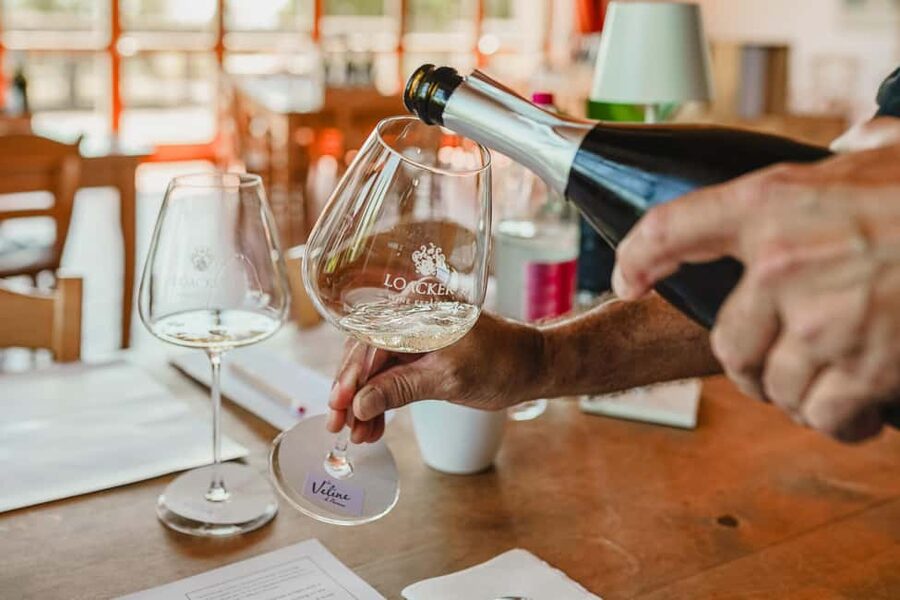
This tour leans heavily on the guide’s ability to translate. You’re learning about biodynamic viticulture, vineyard terroir, and why aging choices matter, so you want someone who can answer questions without rushing.
The good news: the tour runs with a live guide in Italian and English, and the experience feels built for interaction. In past days, guides like Emma have been praised for being friendly and sharing extra facts, while Andreas has been highlighted for excellent English and patient answers.
That small, human layer is more important than it sounds. If you’re nervous about sounding clueless, a good guide helps you ask questions anyway. And if you’re excited about wine, a good guide can turn your curiosity into clearer tasting observations.
Timing and pacing: why 2.5 hours works well in Tuscany
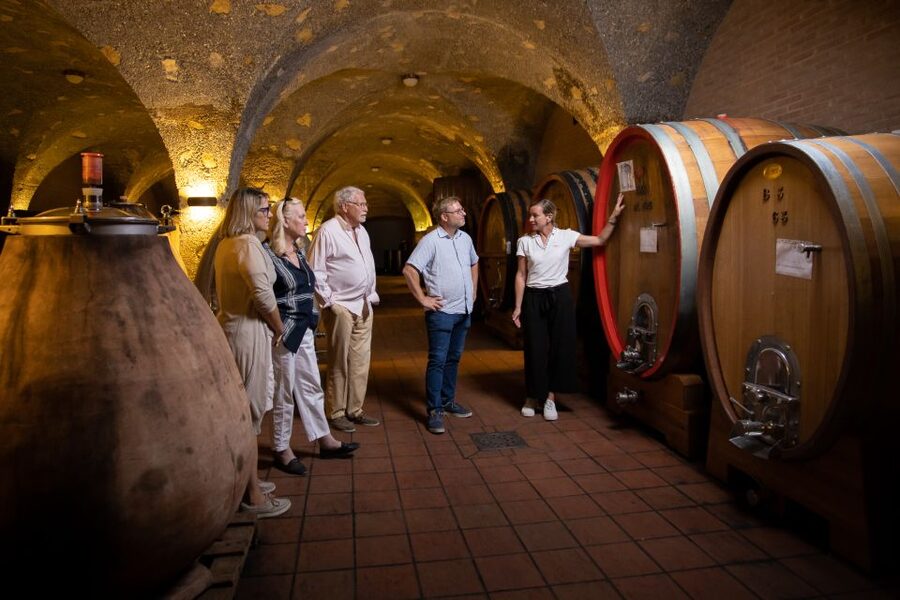
The full experience runs about 2.5 hours, with time split between the guided vineyard walk and the cellar plus tasting. That pacing is useful in Tuscany, where the outside can get intense in the middle of the day.
The format also keeps energy levels steady. You’re outside in the vineyard, then you move into the winery for the cellar learning and tasting room focus. It’s not a marathon, and it doesn’t drag. When the weather is hot, the outside portion can feel like it happens quickly, so go in prepared to pay attention fast when you’re outdoors.
If you’re combining this with other Montalcino stops, the time window is also friendly. You can still do a walk in town afterward or head to dinner without your whole day disappearing into one activity.
Price and value: is $94 per person fair?
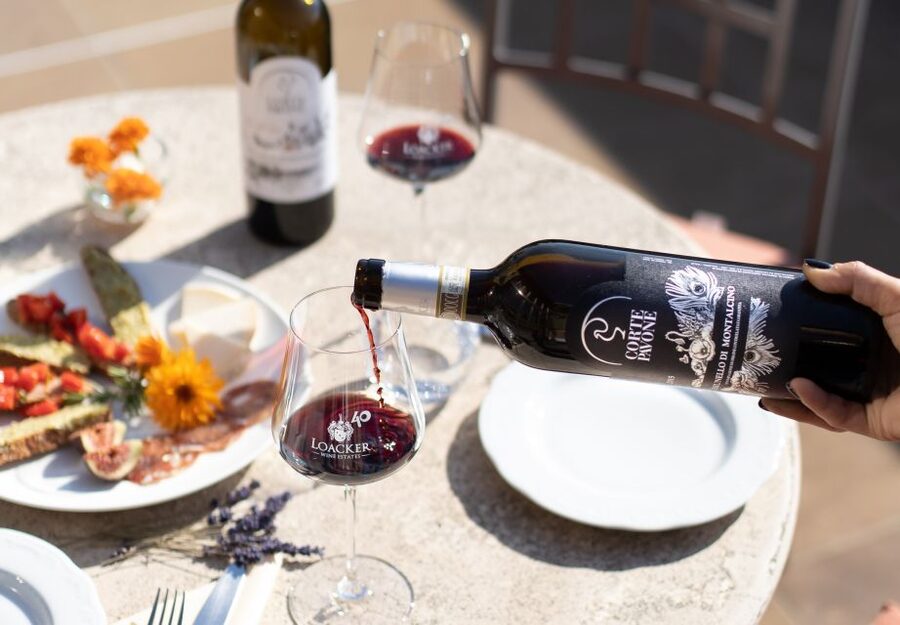
At $94 per person for roughly 2.5 hours, the value comes from what’s included: the vineyard tour, the winery and cellar visit, and a guided tasting of 6 wines paired with 6 gourmet bites.
A quick way to think about the value is to break it down into the tasting centerpiece. You’re not just paying for wine samples; you’re paying for structured learning plus pairing food. The guided portion matters because it gives context for biodynamic choices and aging methods like wood, concrete, or amphoras. Without the explanations, the tasting would be a lot more “fun but random.”
If you’re choosing between doing a casual tasting on your own and booking something guided, this option makes more sense when you want a fuller picture of how the wine is made and what to notice as you taste. It’s also a strong choice if you enjoy pairing food with wine and want a set format that’s easier to follow.
Who this tour is best for (and who might want something else)
This is a great fit if you want:
- Brunello-focused learning, especially biodynamic viticulture and terroir
- A guided tasting that uses food pairings to sharpen your palate
- A structured experience you can do without needing a deep background in wine
It’s also a strong pick for families. One family experience included kids and still worked smoothly, with the staff taking care of dishes for younger guests.
If you’re looking for a long, slow, ultra-romantic wine day with lots of wandering and no schedule pressure, this may feel too organized. But if you prefer a clear arc—vines, cellar, then tasting—this hits the right notes.
Should you book this Montalcino winery tour?
I’d book it if you want a well-paced, guided Montalcino experience where biodynamic viticulture is explained in context and the tasting is more than just drinking. The 6 wines paired with 6 bites gives you a strong “learn and remember” setup, and the cellar segment adds the kind of winemaking detail that makes future tastings easier.
I’d think twice only if you hate structured tours or if you’re expecting this to function as a full meal. Otherwise, it’s a smart way to spend part of your day in Tuscany: scenic vineyard time, practical winemaking knowledge, and a tasting format that helps you taste with purpose.
FAQ
How long is the Montalcino guided winery tour and tasting?
The experience lasts about 2.5 hours.
How many wines will I taste, and are there food pairings?
You’ll taste 6 wines in 3 flights, and each wine is paired with a specially designed gourmet bite.
What tasting options are available?
You can choose either:
- Dynamic Brunello Cru Tasting (1 vintage Brunello, 3 Brunello Cru, 2 Brunello Cru Riserva)
- Signature Corte Pavone Tasting (Le Perle di Pavone Spumante, Rosso di Montalcino, Levante, Brunello di Montalcino, Brunello Cru, Brunello Cru Riserva)
Where do I meet for the tour?
You’ll meet at Corte Pavone Winery. If you’re coming from Montalcino toward Grosseto and S. Angelo in Colle, turn right at the crossroads after about 1 km, drive about 3 km toward Castiglion Del Bosco, then keep to the right until you reach the entrance with the large avenue of cypress trees.
Does the tour run in English?
Yes. The tour guide speaks Italian and English.
Is there free cancellation?
Yes. You can cancel up to 24 hours in advance for a full refund.
Can I reserve now and pay later?
Yes. You can book your spot and pay nothing today.