REVIEW · PELOPONNESE
Kalamata- Olive oil & Wine Tour with traditional lunch
Book on Viator →Operated by The Olive Routes · Bookable on Viator
Olive oil tastes better with a story attached. This 4-hour Kalamata-area tour takes you from the 13th-century Castle of Androusa to olive groves, an olive mill setup, and a winery—then finishes with Greek meze and local wines over lunch. It’s all centered on Androusa, between Kalamata and Messine, where olives and wine are more than products—they’re culture.
I really like two parts. First, the tutored tastings (olive oil and wine) are practical and guided, including a hands-on olive oil workshop led by a certified olive oil sommelier. Second, lunch is not a sad afterthought: you sit down to a full spread—vegetables from the garden, cheeses, pies, egg-and-tomato kagianas, smoked pork and sausage, plus dessert.
One thing to plan for: there’s no hotel transport, so you’ll need your own ride or a taxi to reach the meeting point, and the tour needs good weather. If you’re hoping for a super low-effort, all-sit-down day, this one may feel a bit active.
In This Review
- Key things to know for this Kalamata olive oil and wine tour
- Where the day starts: the Castle of Androusa and Messinia olive country
- Olive groves, a winery visit, and why the order matters
- Winery stop: guided tasting of at least three Greek wines
- Modern olive oil mill: extraction, storage, and quality cues you can actually use
- Traditional 1904 olive mill: seeing deep roots in one stop
- Olive oil tasting workshop with a certified sommelier
- The lunch spread in Androusa: what you’ll eat (and why it matters)
- Timing, group size, and getting there without hotel pickup
- Is the tour worth $108.84? Here’s the value math that matters
- Best fit: who will love this Kalamata olive oil and wine day
- Who should skip it
- Should you book this Kalamata olive oil and wine tour?
- FAQ
- Where is the meeting point, and when does the tour start?
- How long is the Kalamata olive oil and wine tour?
- What’s included for the $108.84 per person price?
- Is hotel transport included?
- What happens if weather is poor?
- Is the tour offered in English, and is there a group limit?
Key things to know for this Kalamata olive oil and wine tour
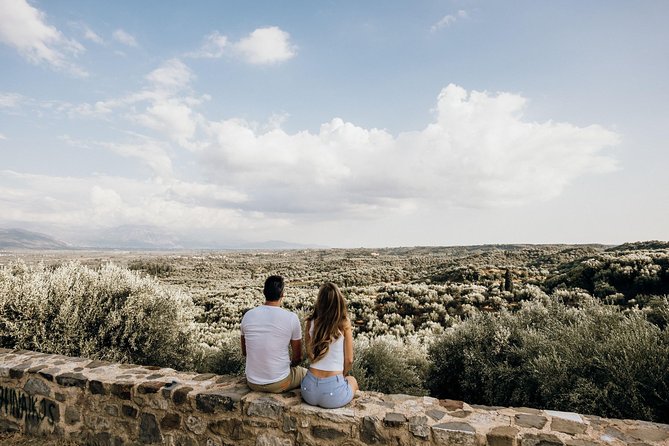
- Castle views before you eat: you start at the 13th-century Castle of Androusa with sweeping Messinia olive-grove views.
- Modern mill + a 1904 mill: you’ll see how olives get turned into oil, then compare with a traditional mill dating to 1904.
- Hands-on olive oil workshop: a certified olive oil sommelier helps you recognize what matters in extra virgin olive oil.
- Wine tasting with at least three Greek varieties: you’ll smell and taste wines and learn what to look for in aroma and flavor.
- Greek meze and olive oil pairing: expect food tasting designed to connect what’s on your plate with what’s in your glass.
- Lunch is a real meal: fresh salads, tzatziki and feta plus Greek gruyère, pies with fresh phyllo, and dessert like halvas or fruit yogurt.
Where the day starts: the Castle of Androusa and Messinia olive country
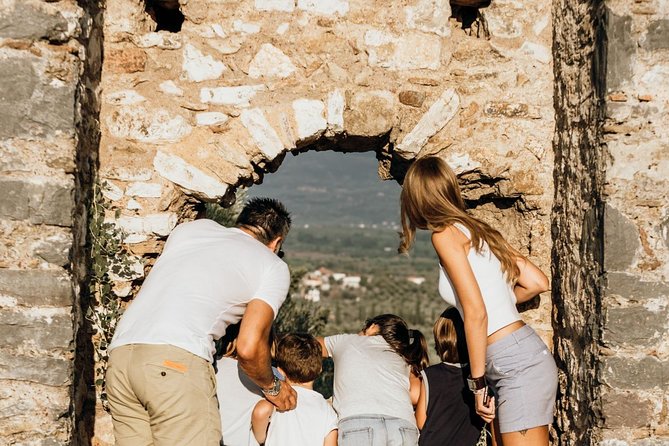
The meeting point is at the Epar.Od. Ellinoklissias–Androusa address in Androusa itself, and the start time is 10:00 am. You’ll begin at the 13th-century Castle of Androusa, which is a smart move because it gives you context before anyone talks oil or grapes.
From up there, you can look out over the long, olive-covered stretches of Messinia. It helps you understand why locals treat these trees like part of the family—not just farmland.
You’ll also get a mix of local history and mythical stories connected to olives. That sounds fluffy until you realize it’s meant to connect the farming to the food you’ll taste later.
Olive groves, a winery visit, and why the order matters
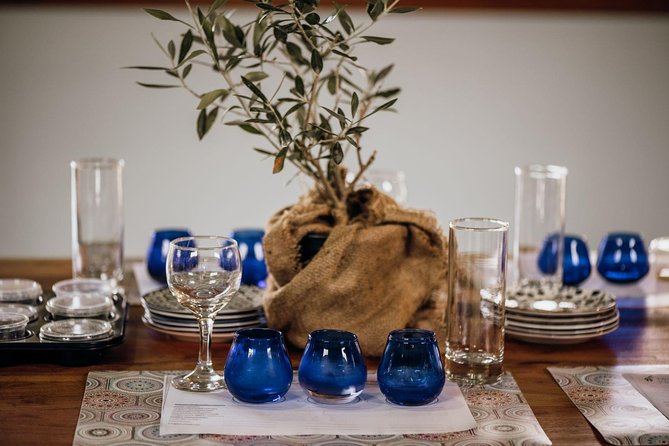
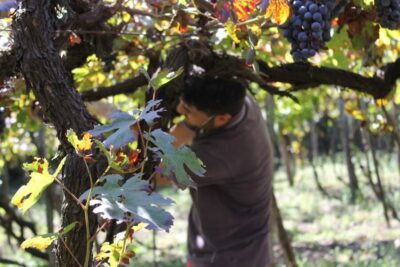
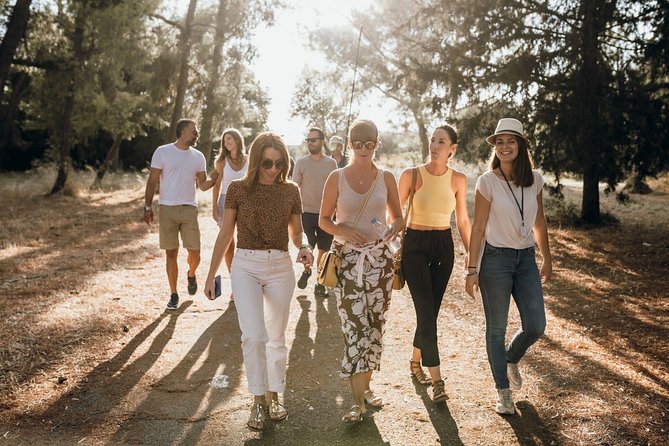
This tour is built around the idea that you don’t just sample products—you learn the route from raw material to what ends up on your table. You’ll move through the area around Androusa, including olive-growing country between Kalamata and Messine.
Then the day shifts toward wine. Visiting the winery earlier in the flow helps you keep your senses open: it’s easier to compare what you smell and taste in wine once you’ve already been thinking about olives, picking, and harvest timing.
Also, the day is kept intentionally small. The experience is described as a group no larger than 12, while the stated maximum is 16 travelers—either way, you won’t be lost in a crowd. That matters when you’re doing tastings and questions.
Winery stop: guided tasting of at least three Greek wines
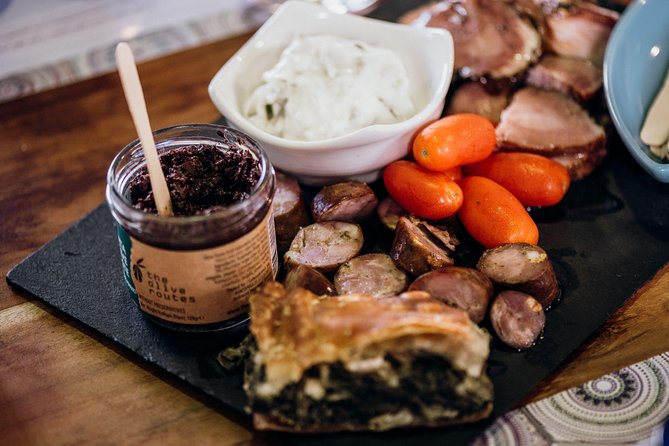
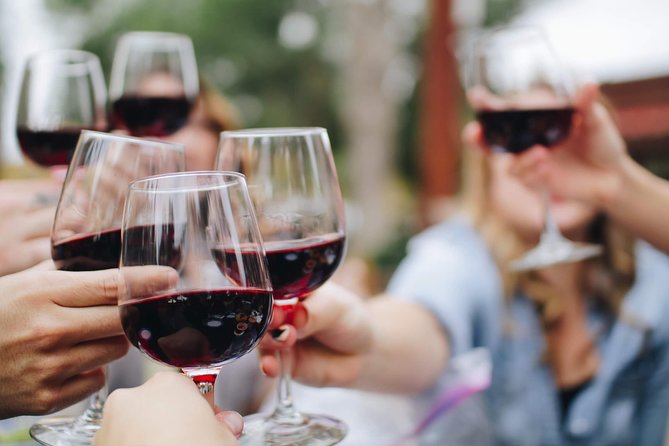
At the winery, you’ll watch how Greek wine varieties are produced and then taste at least three different wines. The guided part is the key—someone will talk you through aroma and flavor instead of just pouring and hoping for the best.
If you’re the kind of person who always wonders why one wine tastes fruitier or more bitter, this is where you get that language. And if you already like wine, this helps you make better sense of what you’re buying later.
From the information shared in guides and past guests, one winery name that comes up is Psaroulis Winery—so don’t be surprised if your tasting is there, or at a comparable local partner on the route.
Practical tip: there’s a simple chance you’ll fall for one bottle. One useful suggestion is to bring cash in case you want to purchase bottles of wine you tasted.
Modern olive oil mill: extraction, storage, and quality cues you can actually use
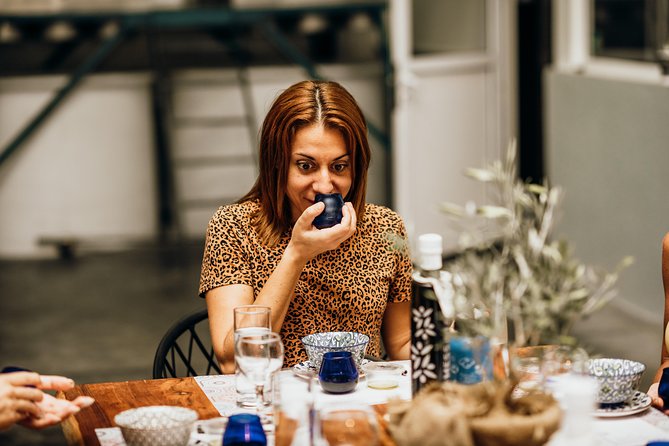
Back in the heart of Androusa Village, you’ll visit a modern olive oil mill. The focus here is the process: how olives are extracted and how oil is handled and stored afterward.
This is where you start learning quality traits you can use at home. The tour includes quality tips, so you’re not just watching machines—you’re picking up what good oil tends to look and taste like.
You’ll also hear how extraction timing and handling affect the final cup. Even without getting too technical, that knowledge changes the way you taste afterward. Suddenly you’re not asking only whether it’s good—you’re noticing peppery notes, fruitiness, and how the oil finishes.
Traditional 1904 olive mill: seeing deep roots in one stop
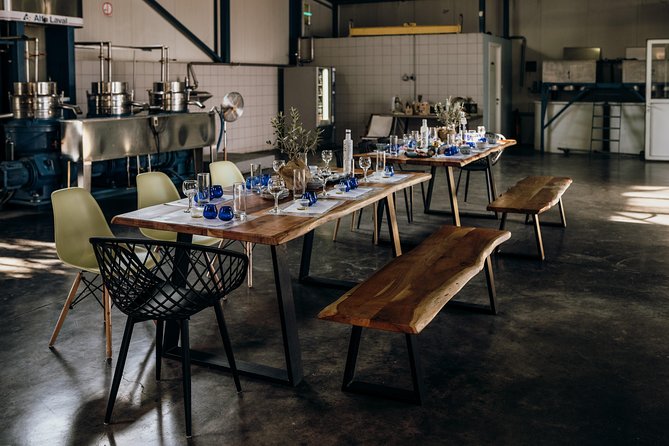
Next comes a more old-school visit: a traditional olive oil mill established in 1904. Seeing the contrast between older and newer methods gives you a clearer sense of how olive-growing in this area has lasted for generations.
It also makes the whole day feel grounded. Instead of treating olives like a trend, you see that this region’s identity has been tied to production long enough that the stories and tools deserve attention.
If you’re a photo person, this stop is usually where your camera earns its keep. But even if you don’t care about photos, the comparison is useful for understanding why you’ll hear locals talk about harvest periods and oil character.
Olive oil tasting workshop with a certified sommelier
The hands-on part is one of the best reasons to book. You’ll do an olive oil tasting and food-pairing workshop guided by a certified olive oil sommelier.
This is where you learn to recognize what defines extra virgin olive oil—again, not in a textbook way, but in a practical way. You’ll likely taste different styles/varieties so you can start connecting what you smell and taste to the olive itself.
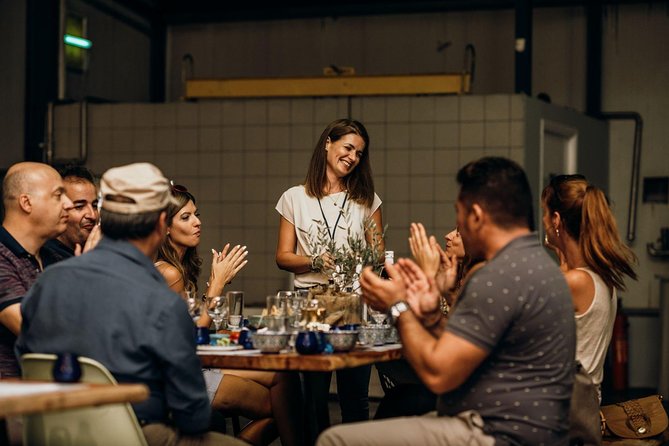
Then you’ll pair olive oil with food as part of Greek mezedes tasting. Think of it as taste training: how the same oil behaves with salty, creamy, or savory dishes. That makes the later lunch feel more intentional, because you’ll already know what to notice.
The lunch spread in Androusa: what you’ll eat (and why it matters)
The tour ends with a traditional full lunch in Androusa. This is not just one plate. It’s multiple dishes, with local wines and dessert included, and it leans hard into fresh ingredients and regional favorites.
Here’s what the sample menu includes:
- Fresh salads and vegetables from the garden
- Tzatziki, feta cheese, and Greek gruyère cheese
- Kalamata olive tapenade and Kalamata olives
- Lalagia: fried bread sticks with olive marmelade
- Kagianas: eggs and tomatoes
- Traditional smoked pork and sausage
- Local pie with fresh-made phyllo dough
- Dessert choices like halvas or yogurt with fruits
Two big reasons this lunch is a highlight. First, it’s designed to match what you learned in tastings—salty cheeses and olives make a great partner for olive oil. Second, you get a real sense of how families eat here: shared plates, familiar flavors, and enough variety that everyone leaves satisfied.
Also, note this tour is built around food you can trace back to the region. You’re not being served generic tourist menu items; you’re eating what the area produces and uses.
Timing, group size, and getting there without hotel pickup
The tour runs about 4 hours, starting at 10:00 am and returning to the meeting point. That timing is ideal for a half-day plan where you still have the afternoon free in Kalamata or elsewhere in the Peloponnese.
Group size is kept small enough to feel interactive. Even when the group is near the maximum (up to 16), the structure of guided tastings and workshops means you’re not just standing around. You can ask questions, and the guides can steer you toward what to pay attention to.
The one logistical catch is transport. No hotel pickup is included, so you’ll need a plan: taxi, rental car, or getting yourself to the meeting point at Epar.Od. Ellinoklissias–Androusa 26, Androusa 240 13. If you’re staying in Kalamata, build in extra time for the drive and getting parked.
Is the tour worth $108.84? Here’s the value math that matters
At $108.84 per person, you’re paying for a very packed half-day: guided visits to olive groves/area points of interest, a modern olive oil mill, a traditional 1904 mill, a winery visit with tasting, an olive oil workshop with a certified sommelier, plus Greek mezedes pairing, a full lunch with local wine, and dessert.
That’s a lot of “paid experiences” folded together. If you were to book separate tastings and a meal elsewhere, you’d likely spend similar money once you add up admissions, guide time, and food/drink.
The best value is for people who want to understand what they’re tasting—olive oil character, extra virgin traits, wine aromas and flavors—without having to become a hobby expert first.
Best fit: who will love this Kalamata olive oil and wine day
This tour is best for you if:
- You like food and want a guided, hands-on learning experience
- You want a strong regional meal, not just a snack
- You’re curious about olive oil quality and what makes extra virgin taste the way it does
- You enjoy wine tastings where the guide helps you notice differences
It’s also a nice pick for couples and small groups because the structure supports conversation. In past experiences, guides such as Athanasia, Dimitra/Dimitria, and Georgia have been specifically called out for making the day feel fun and personal—so you can expect more than a script.
Who should skip it
Skip or think twice if:
- You don’t drink wine and don’t want tastings.
- You want zero walking and zero “standing in production areas” energy.
- You can’t arrange transport to Androusa without hassle.
Should you book this Kalamata olive oil and wine tour?
Yes, if you want one of the most practical food tours in the Kalamata area—olive oil plus wine, with a workshop and a real lunch. The format is built for understanding and tasting, and the meal is substantial enough that you won’t feel like you paid for small bites.
Book it early if you can. It’s commonly reserved about 53 days ahead on average, and with a small group size, earlier planning gives you more schedule options.
One last nudge: because the experience requires good weather, keep a little flexibility in your calendar. If weather turns, you’ll be offered a different date or a full refund.
FAQ
Where is the meeting point, and when does the tour start?
The tour meets at Epar.Od. Ellinoklissias-Androusa 26, Androusa 240 13, Greece. The start time is 10:00 am, and the activity ends back at the same meeting point.
How long is the Kalamata olive oil and wine tour?
It runs for about 4 hours.
What’s included for the $108.84 per person price?
The price includes guided visits to the olive oil mill and winery, demonstrations and quality tips, an olive oil tasting and wine workshop, Greek mezedes tastings and food pairing with olive oil, and lunch with local wine and dessert.
Is hotel transport included?
No. Transport from and to your hotel is not included.
What happens if weather is poor?
This experience requires good weather. If it’s canceled due to poor weather, you’ll be offered a different date or a full refund.
Is the tour offered in English, and is there a group limit?
Yes, it’s offered in English, and it has a stated maximum of 16 travelers. Service animals are allowed, and most travelers can participate.