REVIEW · EVORA
From Lisbon: Évora Wine & Heritage Tour
Book on GetYourGuide →Operated by Gray Line Portugal · Bookable on GetYourGuide
Évora doesn’t do small-town. In this Lisbon-to-Alentejo day trip, you get guided time at Évora’s Roman Temple and the Chapel of Bones, then end with a wine tasting in a traditional cellar. The main thing to weigh is the long day: you’ll spend real time on the bus and you’ll also have a chunk of free time in Évora that may feel a bit generous if you’re trying to optimize your day.
I like that the tour is built around walking and looking up—columns, church facades, and that unforgettable interior at Capela dos Ossos. You also get multi-language guidance (English, Portuguese, and Spanish), which helps a lot when you’re moving fast from site to site. On the other hand, comfort can vary: one departure note flagged a very hot coach, so plan for heat and bring water if it’s available on the day.
Key Points to Know Before You Go
- Roman Temple with Corinthian columns: a first-century stop that sets the tone for Évora’s layers of time.
- Capela dos Ossos (Chapel of Bones): chilling, photo-ready, and emotionally intense in a way most churches aren’t.
- Cathedral of Évora entry included: you’re not just passing by—you get the important Gothic visit.
- A real Alentejo wine cellar tasting: guided wine time, not a quick pour-and-go.
- Free time inside Évora: enough to wander on your own, but it might be long depending on your style.
- Long-but-doable 10 hours: worthwhile if you want highlights without planning logistics.
In This Review
- From Lisbon to Évora: the Right Kind of Day Trip
- Getting Your Bearings in Évora’s Historic Center
- The Roman Temple: Columns You Can’t Fake
- Cathedral of Évora: Gothic Style That Feels Purposeful
- The Chapel of Bones (Capela dos Ossos): Don’t Skip the Reality Check
- Market Time and Lunch Choices: How to Use Your Free Time
- Wine Cellar Visits: What the Tasting Actually Means
- Price and Value: Is $100 a Fair Deal?
- Tour Logistics That Actually Affect Your Comfort
- Who This Tour Fits Best (and Who Might Want Something Else)
- Should You Book Évora Wine and Heritage From Lisbon?
- FAQ
- FAQ
- Where is the meeting point in Lisbon?
- How long is the tour?
- What’s included in the price?
- Is lunch included?
- What sites will you visit in Évora?
- What language options are available?
- Is the tour suitable for wheelchair users?
- Are pets allowed?
- Can I cancel for a refund?
From Lisbon to Évora: the Right Kind of Day Trip
This is the kind of outing that works best when you want a focused “greatest hits” day without building your own schedule. You leave Lisbon on a coach, settle in for the drive, and arrive in Évora ready to walk. It’s about 81 miles (130 km) south, so you’re trading comfort and independence for efficiency.
What I like about this setup is that you’re not left figuring out the big sights. A guided flow matters here because Évora’s most famous stops are spread out and many require knowing what to look for. The tour’s multilingual guide team is also a practical win; you get explanations in English plus Portuguese or Spanish on the same departure, which helps a mixed group follow along.
The drawback is timing. With a 10-hour day, your energy matters. If you’re heat-sensitive, expect the bus ride to feel longer on a warm day. One departure mention called out an extremely hot coach and sweaty traveling. Plan as if it might be warm: bring a hat, wear breathable clothes, and don’t rely on luck.
Getting Your Bearings in Évora’s Historic Center
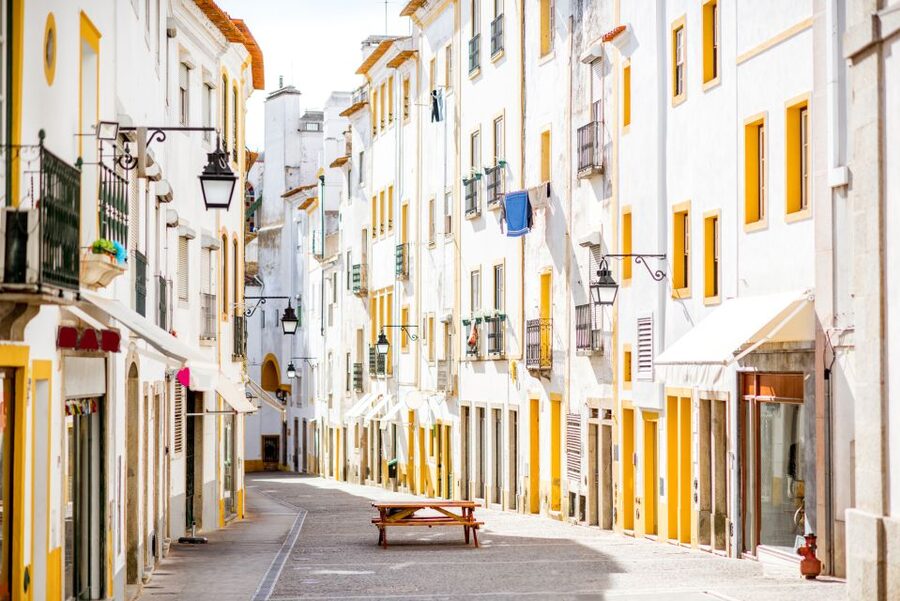
Once you arrive, the walking begins in the whitewashed old-town feel that people associate with Alentejo’s historic centers. You’re not just taking pictures from a distance; the tour pushes you to move through the streets while the guide sets context.
Évora’s Historical Center is a UNESCO World Heritage Site, and the tour approach matches what UNESCO areas need: you see landmarks in sequence, and you understand how the city layers Roman, Gothic, and later Portuguese-era culture. That context is the difference between a checklist and an actual day of understanding.
And yes, you’ll notice the city’s pace. Évora isn’t Lisbon. It’s calmer, more local, and that can be a positive if you like walking and slow looking. But the balance is tricky because the tour also includes a free-time break later, and some people may want earlier return to Lisbon or less unscheduled time.
You can also read our reviews of more tours and experiences in Evora.

The Roman Temple: Columns You Can’t Fake

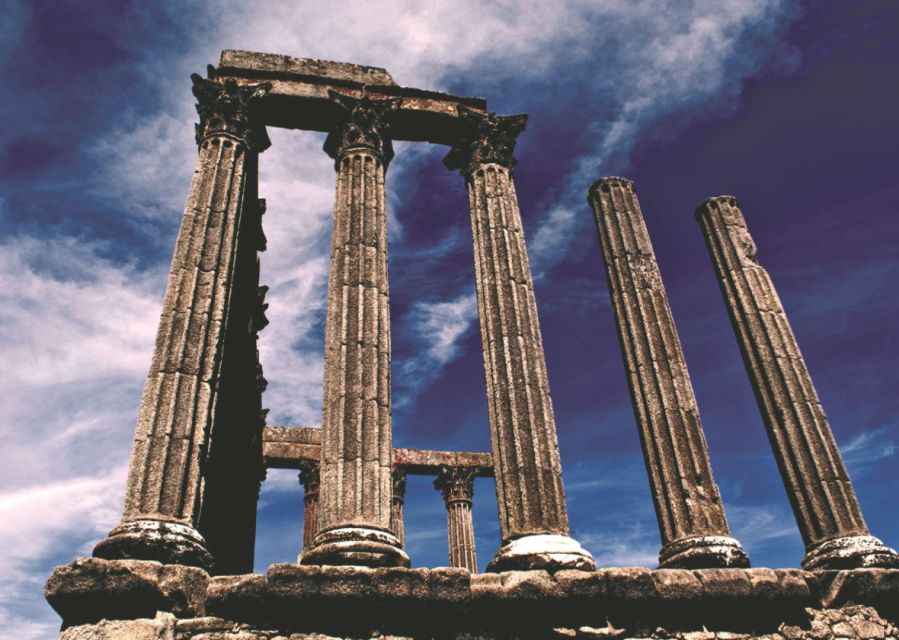
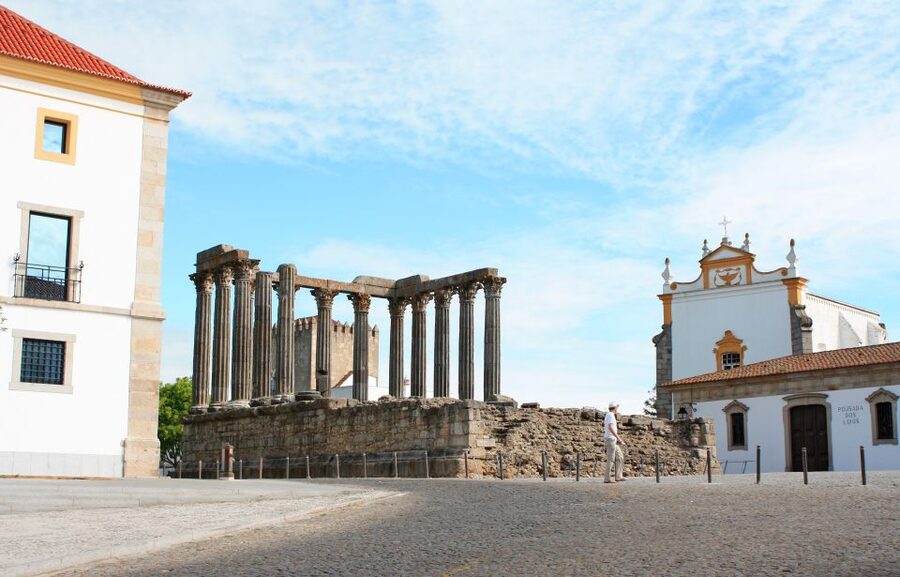
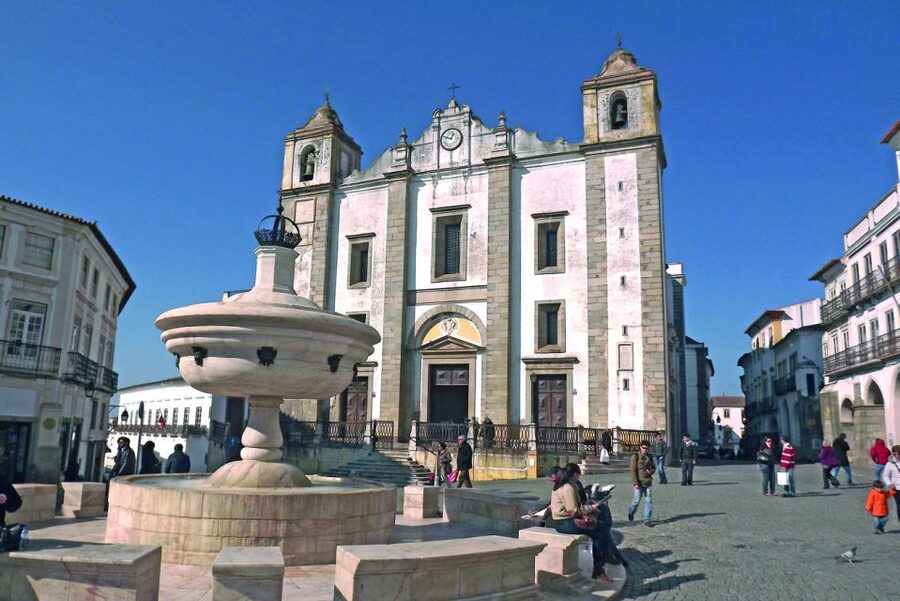
Your first must-see is the Roman Temple, with big Corinthian columns that date to the first century, around the era of Emperor Augustus. The guide time here makes a difference. Without explanation, you might see impressive stone and move on. With guidance, you start understanding scale, style, and why this structure survives as one of the headline Roman reminders in Portugal.
One thing I like about the Roman Temple stop is its visual clarity. Even if your group is moving quickly, the columns pull your eyes upward. It’s an easy site for all ages and photo styles—wide shots, tight shots on capitals, and perspective photos that show how the building sits in the city fabric.
If you’re the kind of traveler who enjoys architecture as much as landmarks, you’ll likely appreciate that this is a guided walk rather than a drive-by. It’s also a great anchor point: it frames what you’ll later see in the Gothic cathedral and the chapel that’s deliberately meant to unsettle you.
Cathedral of Évora: Gothic Style That Feels Purposeful
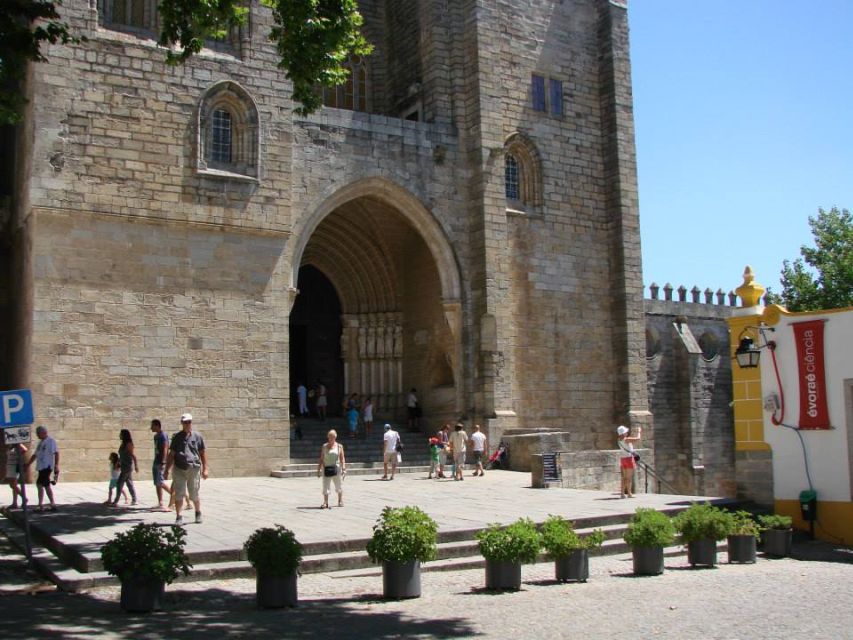
After the Roman Temple, the tour takes you to the Cathedral of Évora, one of Portugal’s most important Gothic monuments. The key here is how the visit is built into your day. The entrance fee is included, so you’re not stuck deciding at the last minute whether you should pay to go in.
Gothic churches reward a slower look, especially if you’re paying attention to details like structure and light. Since the tour is a full day, don’t expect a long, unhurried cathedral experience. Still, you’ll get the essentials and the guide context, which helps you understand what you’re seeing without requiring deep prior knowledge.
The practical tip: comfortable shoes matter. Your feet will do most of the work, and cathedral interiors tend to involve standing still for explanations. If you bring shoes that feel fine for an hour, they might feel rough by mid-afternoon.
The Chapel of Bones (Capela dos Ossos): Don’t Skip the Reality Check
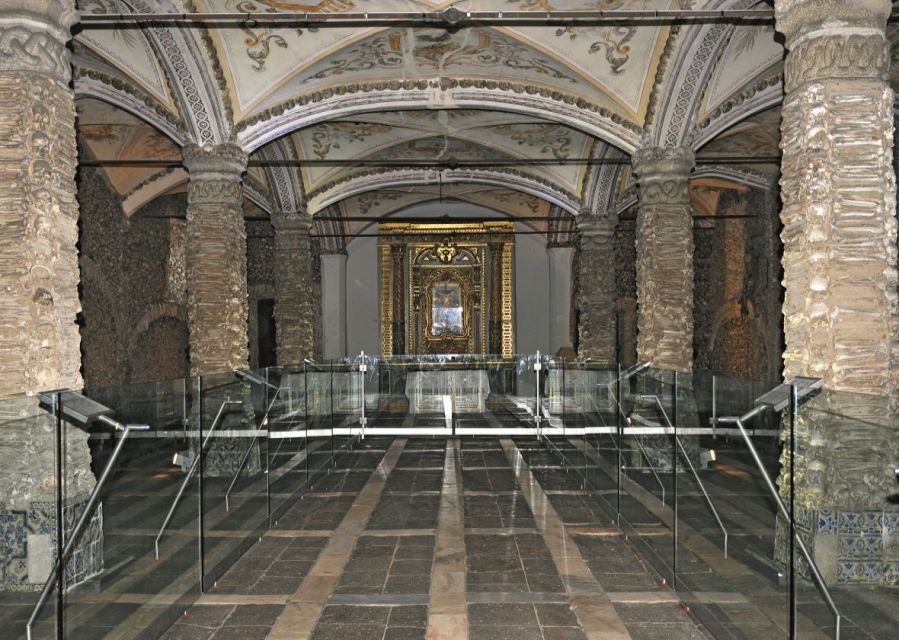
This is the stop that makes people remember the day. The Chapel of Bones is decorated with human remains—an image that’s hard to forget once you’re inside. It’s not just spooky for the sake of being spooky. The guide framing matters because it shifts the experience from shock to meaning.
I’ll be honest: if you’re sensitive to macabre themes, you need to decide in advance if this is your kind of art and history. The tour includes the entrance fee, so you’ll be going in as part of the program. Bring your camera if you want photos, but also be ready to simply stand and look for a moment without trying to capture everything.
Why it’s valuable on a highlights tour: it’s unique to Évora, and you can’t replicate this kind of experience elsewhere nearby. It’s also a powerful contrast to the Roman Temple and Gothic cathedral. Those are about permanence and design. Capela dos Ossos is about human reality—so it changes your emotional “temperature” for the rest of the day.
Market Time and Lunch Choices: How to Use Your Free Time
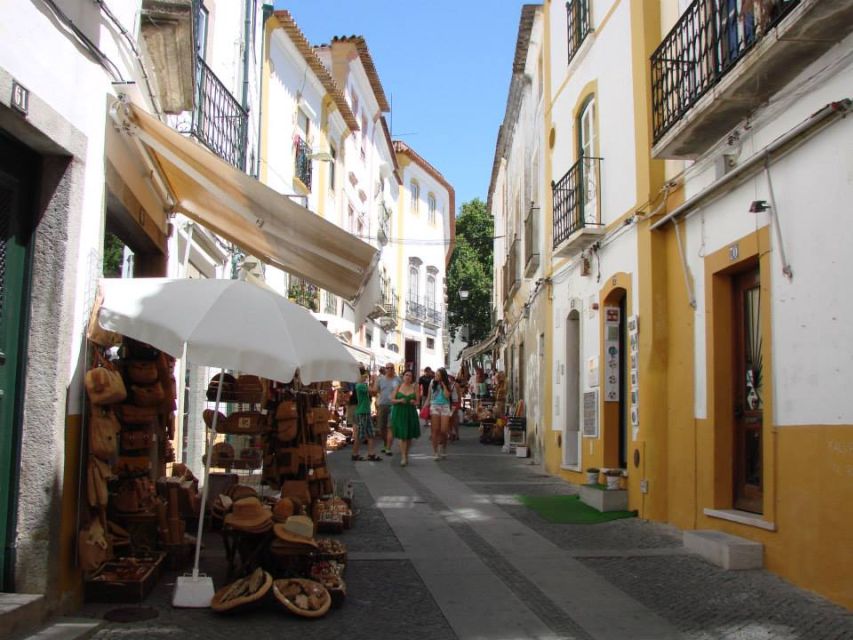
After the main historic stops, you’ll get some free time in Évora and time to enjoy the local market atmosphere. There’s an opportunity to look at colorful ingredients that tie into Portuguese cooking. Even if you don’t plan to eat there, browsing is a simple way to connect the sights to daily life.
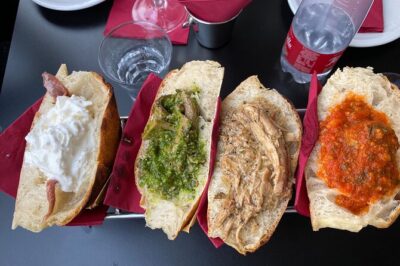
Lunch is not included, so this is your moment to decide how you want to spend it. If you’re the “I want a proper sit-down meal” type, use your free time to find a place that fits your pace. If you prefer something quick, the market setting can help you grab something without turning the day into a long research project.
Here’s the balancing act: free time is a common satisfaction variable on group tours. Some people feel it’s too long; others appreciate the space. If you want to maximize your day without stress, treat the free-time window like a structured plan: one food stop, one walk loop, and then back to regroup before you’re tired.
Wine Cellar Visits: What the Tasting Actually Means
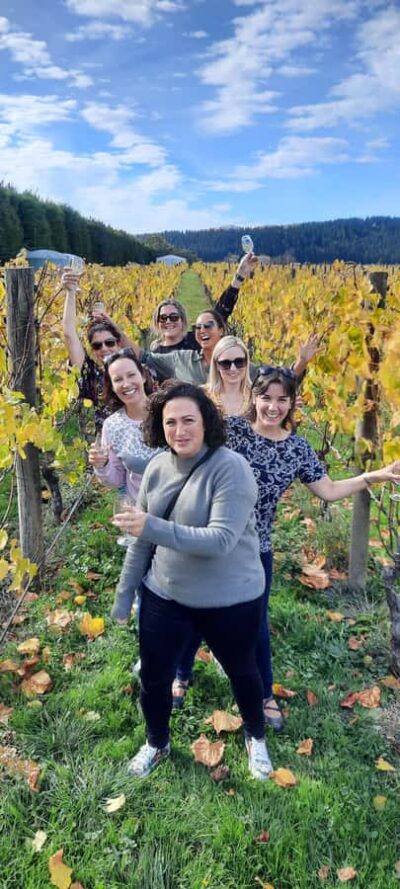
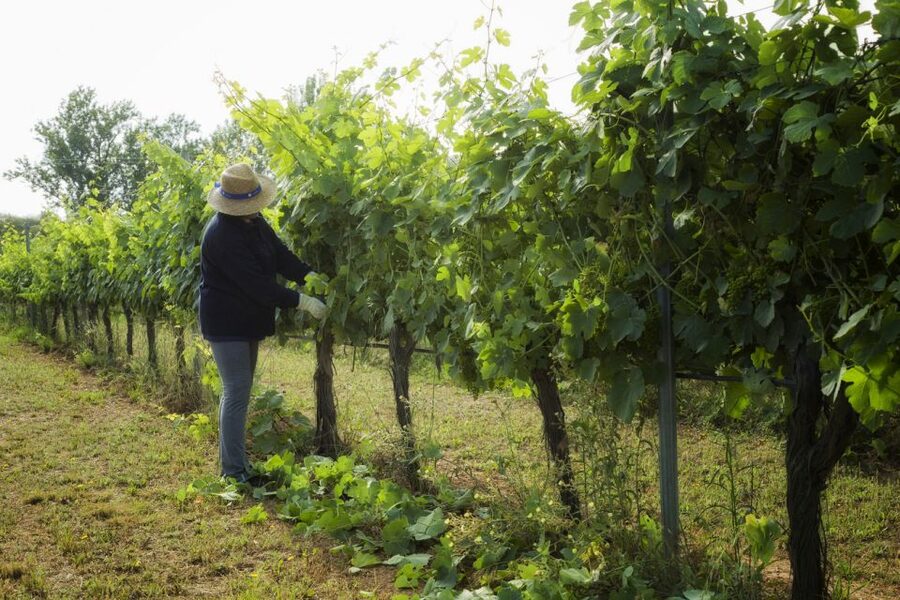
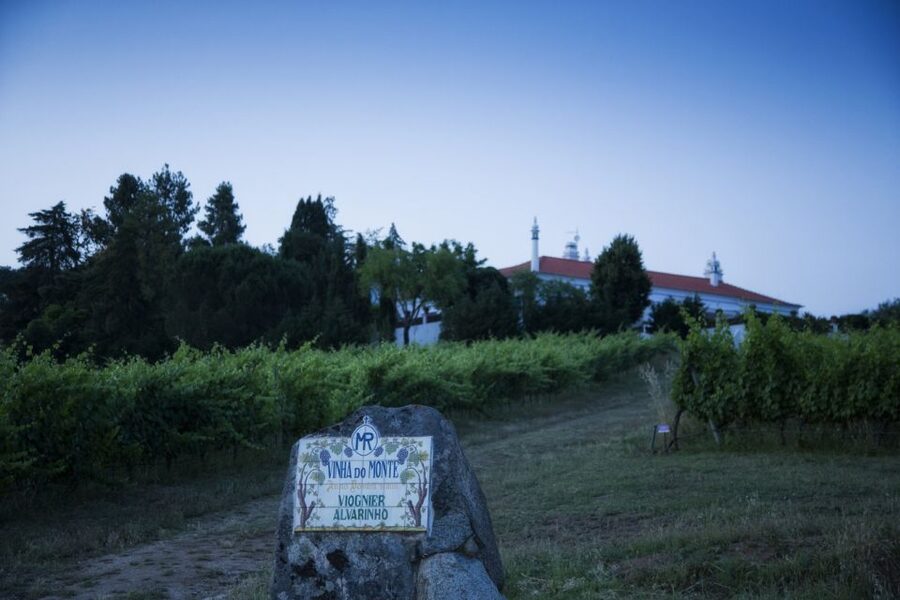
The afternoon highlight is a visit to one of the important wine cellars in Portugal, followed by wine tasting with a guided tour. This is where you get more than a decorative “wine moment.” The program includes guided time plus the tasting, so you’ll learn what you’re tasting rather than just collecting sips.
Wine experiences can go two ways: either they’re educational and enjoyable or they turn into a long talk with limited engagement. One departure note described the winery portion as long and a bit boring, which is a reminder that group timing is real. If you’re very sensitive to slower pacing, you may want to come in curious and proactive—ask questions if your guide invites it, and focus on the sensory basics: aromas, body, and the difference between pours.
Still, the value is strong for many travelers because it’s paired with city culture. You’re not doing only churches and stone. You’re also sampling one of Portugal’s Alentejo experiences. And if you like bottles you can buy afterward (even as souvenirs), the cellar visit sets you up to taste with a goal.
Price and Value: Is $100 a Fair Deal?
At $100 per person for a 10-hour day, the value hinges on what you expect from a guided tour.
Here’s what you’re getting that supports the price:
- Guided visits with certified guides in English, Portuguese, and Spanish
- Wine tasting included
- Entrance fee included for the Cathedral of Évora and the Chapel of Bones
- Organized transportation from Lisbon for a trip that’s long enough to be annoying to DIY without planning
The cost becomes more reasonable when you factor in admissions and guided interpretation. Évora’s top sights are not just “look at this,” they’re “learn why this matters.” That guide time can save you from wandering through and not knowing what you missed.
What can make it feel less worthwhile is if you personally want less coach time or you dislike long segments with mixed pacing—like a longer winery talk or an extended free-time block. But if you like a structured day with major stops done for you, the price lines up well.
Also remember: lunch isn’t included. That’s not a deal-breaker, but it’s an extra cost you’ll want to budget.
Tour Logistics That Actually Affect Your Comfort
A few practical points will make or break your experience more than you’d think:
Wear comfortable shoes. You’re walking through old streets and moving between sites. Your legs are the limiting factor.
Bring a sun hat. The day can be warm, and the itinerary depends on outdoor movement.
Plan for a long coach ride. One departure mention flagged heat discomfort on the bus. Dress in layers you can adjust, and bring water if you’re able.
Expect limited wheelchair suitability. The tour is not suitable for wheelchair users, so plan alternate options if mobility access is a concern.
No pets. If you’re traveling with a companion animal, this isn’t the right format.
Who This Tour Fits Best (and Who Might Want Something Else)
This works best if you:
- Want a guided introduction to Évora’s top landmarks without figuring out transport
- Like architectural variety—Roman, Gothic, and then something deliberately haunting
- Prefer a day trip that includes a cultural plus food/drink element, with wine tasting as the payoff
- Enjoy structured time more than “totally free exploration”
You might want to look for a different pace if you:
- Get uncomfortable on long coach rides or dislike warm transport
- Want very flexible time in town without regrouping and scheduled windows
- Don’t like longer indoor explanations at wineries
Should You Book Évora Wine and Heritage From Lisbon?
I think you should book it if you want an efficient, guided taste of Évora’s UNESCO-worthy sights plus Alentejo wine, all in one day. The strongest reason to choose this tour is the combination: Roman Temple, Cathedral of Évora, and the Chapel of Bones in the same program, then a structured wine cellar tasting afterward.
If you’re picky about time balance, go in with your eyes open. Some departures seem to give plenty of free time, and some wine cellar visits can feel long. For best results, set your personal plan before you arrive: decide what you want to see during free time, and don’t treat the day as a slow meander.
If you care about guides being clear and helpful, there’s at least one guide named Margarida who was specifically praised for being available and explaining things well. That’s a good sign for how seriously the team takes interpretation.
Bottom line: this is a solid value day trip when you want highlights handled for you and you’re okay spending most of your day in motion.
FAQ
FAQ
Where is the meeting point in Lisbon?
You meet at the Cityrama Gray Line stop at Marquês de Pombal Square, at the bottom of Park Edward VII.
How long is the tour?
The tour duration is 10 hours.
What’s included in the price?
Included are guided visits in English, Portuguese, and Spanish, wine tasting, and entrance fees at the Cathedral and the Chapel of Bones.
Is lunch included?
No, lunch is not included.
What sites will you visit in Évora?
You’ll visit the Roman Temple, the Cathedral of Évora, and the Chapel of Bones (Capela dos Ossos), plus you’ll have time to stroll through the historical center and market area.
What language options are available?
The live tour guide operates in English, Portuguese, and Spanish.
Is the tour suitable for wheelchair users?
No, the tour is not suitable for wheelchair users.
Are pets allowed?
No, pets are not allowed.
Can I cancel for a refund?
Yes—free cancellation is available up to 24 hours in advance for a full refund.