REVIEW · GUEBERSCHWIHR
Dare to Alsace Wine with a Feminine Touch
Book on GetYourGuide →Operated by Domaine GUETH · Bookable on GetYourGuide
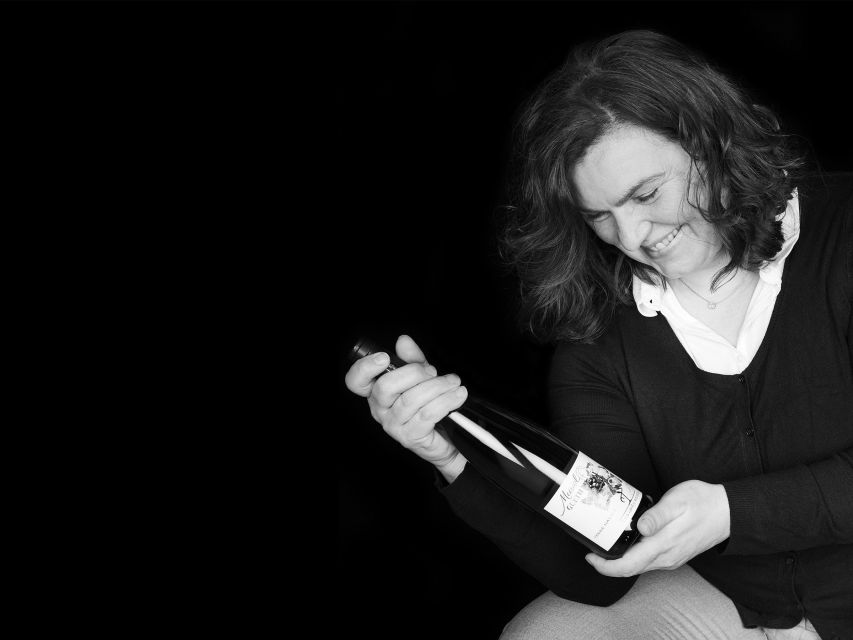
A 2-hour tour with real wine people. This is an Alsace wine experience led by Muriel, the winemaker herself, with a feminine approach to organic viticulture you can actually feel in the way she explains the work. I love that it’s not just sitting with a glass, it’s walking the vines first, then seeing how the winery turns grapes into wine. You’ll also get a guided, comparative tasting of 7 organic wines, chosen to match what you like.
One thing to plan around: it includes an outdoor vineyard walk, so you’ll want shoes with grip and weather-ready clothing. If it’s pouring rain, you’ll still be outside for at least the walk portion, even if the pace changes.
In This Review
- Key Highlights to Expect at Domaine Gueth
- Meeting Muriel: A Hands-On Wine Tour with a Human Pace
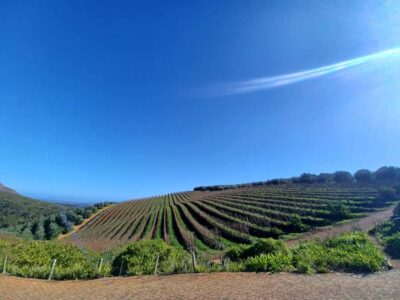
- The Vineyard Walk: Where Organic Farming Gets Real
- Cellar Visits and Technical Installations: See the Wine-Making Machine
- The Comparative Tasting of 7 Organic Wines
- Price and Value: Why $35 for Two Hours Can Make Sense
- Languages, Timing, and What to Bring (Without Guesswork)
- Who This Tour Suits Best (and Who Might Skip It)
- Should You Book Dare to Alsace Wine with a Feminine Touch?
- FAQ
- How long is the tour?
- How many wines are tasted?
- Can I replace the wine with something non-alcoholic?
- What is included during the tasting?
- Where does the tour start?
- What languages are offered?
Key Highlights to Expect at Domaine Gueth
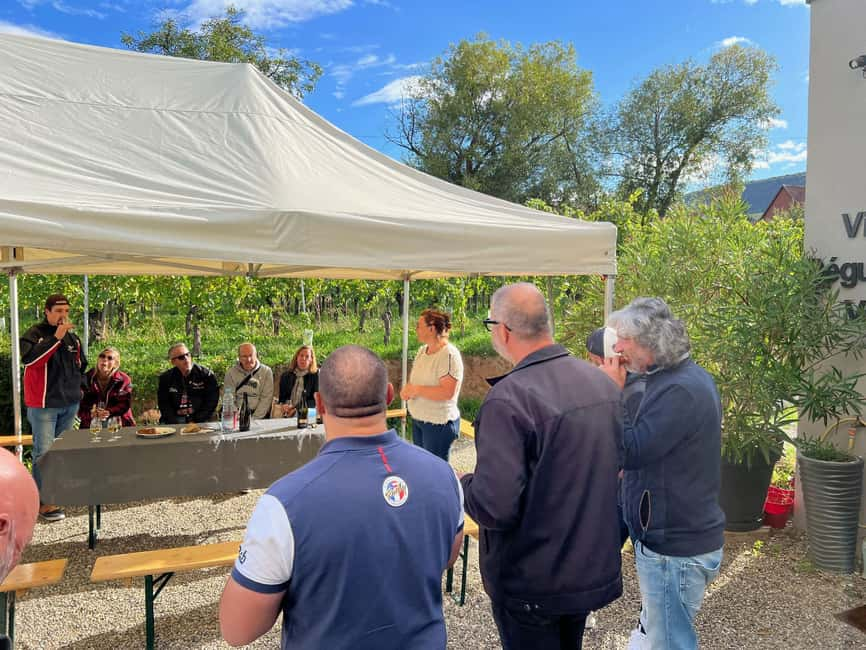
- Muriel leads the experience, sharing how she runs an 8-hectare domaine and why her approach stays rooted in the vineyard.
- Organic viticulture, explained on the ground, during a roughly hour-long vineyard walk.
- Cellar + technical installations, so you see where the wine is made, not just where it’s stored.
- Comparative tasting of 7 organic wines, commented by the winemaker and selected based on your tastes.
- Small food pairing moments: an Alsatian pretzel or a slice of kougelhopf plus crackers.
- You can swap wine for 100% organic grape juice (red and white).
Meeting Muriel: A Hands-On Wine Tour with a Human Pace
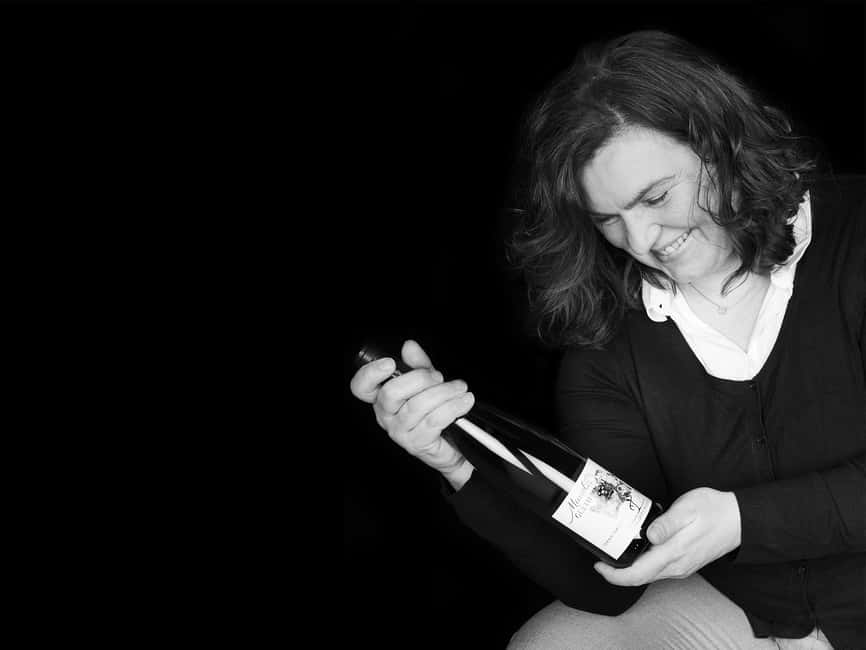
In Alsace, you can spot wine culture in the details: the slope of the vines, the shape of the cellar, the way people talk about fermentation and balance. This tour leans hard into the human side of that culture. Muriel, an independent winegrower at Domaine Gueth, guides you through her daily world and her family-style philosophy about farming and wine. The focus isn’t on big showmanship. It’s on why she does each step, and how the work connects vine, cellar, and your glass.
What I like is the structure. You start with the vines, then move into the cellar. That order matters. If you taste first, you can’t easily connect flavors to what you saw. Here, the walk gives your brain context, so the tasting lands with more meaning.
The domaine itself is small enough to feel personal: an 8-hectare property with the cellars in the heart of the vineyard. That means you’re not traveling between far-away stops. You’re moving through the same working landscape the wine comes from.
The Vineyard Walk: Where Organic Farming Gets Real
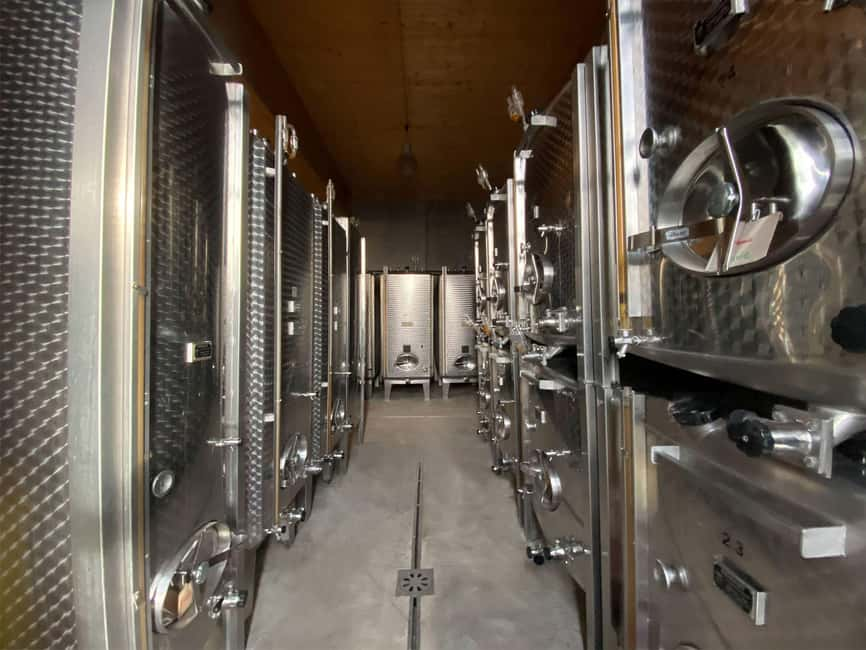
The experience begins with an unusual walk through the vineyards, and it’s not just scenic. This is the part where you learn what organic viticulture looks like day to day. You’ll spend about an hour walking the paths and hearing Muriel explain how the grapes’ story starts. The tour wording points to the genesis of wine, and you can take that literally here: you’re learning how the plant’s choices and the farmer’s respect for the earth show up later in the glass.
This is also where the tour earns its name, Dare to Alsace Wine with a Feminine Touch. The explanation style is different from the usual brochure tone. Expect a calm, practical way of talking about farming decisions. You’ll hear about passion balanced with respect for the earth, plus the day-to-day know-how of the house.
Practical note: the tour encourages shoes that can handle vineyard paths. Sneakers or walking shoes are ideal. If it rained recently, the ground can get slick, and you’ll feel it more on a vineyard slope than on flat town streets.
Cellar Visits and Technical Installations: See the Wine-Making Machine
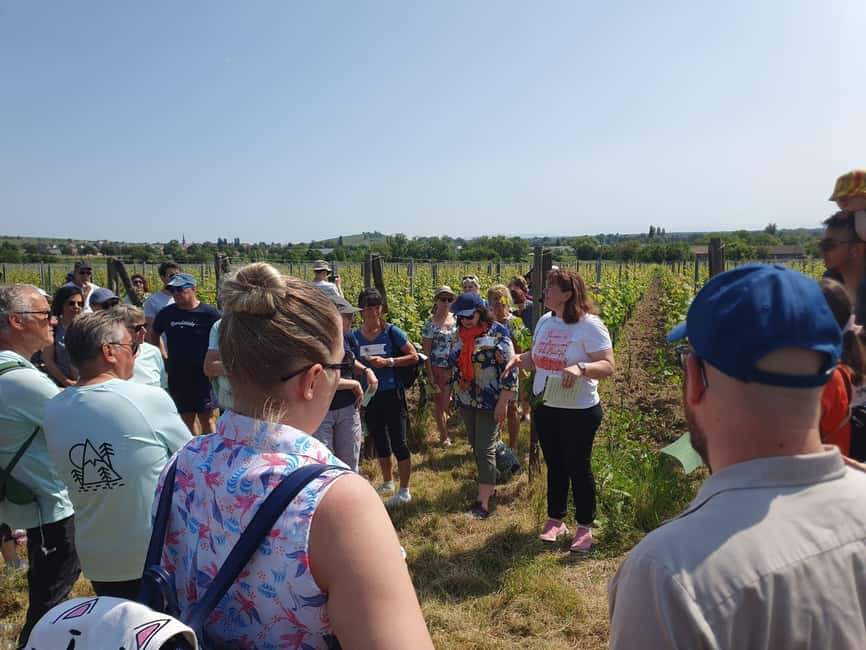
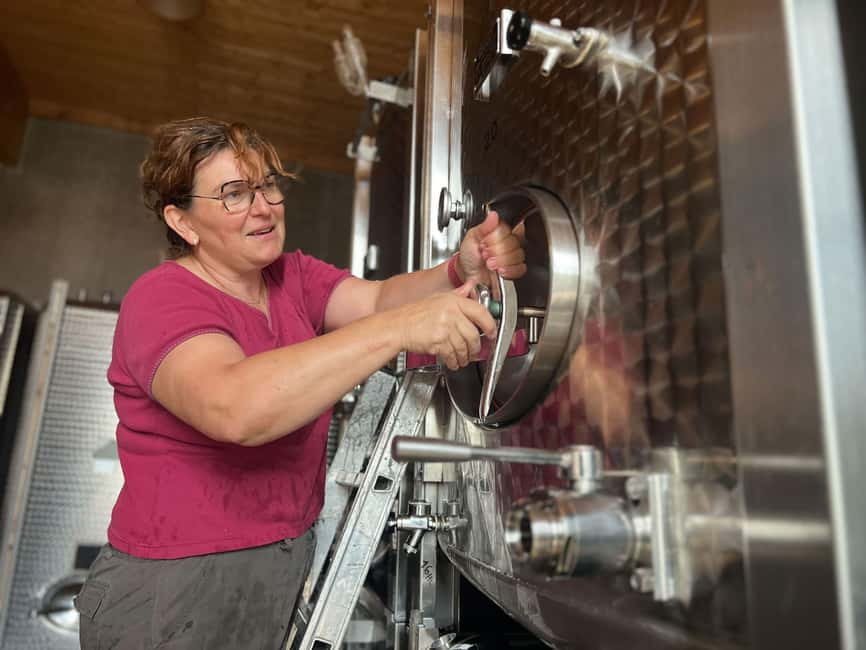
After the vineyard part, you move to the cellar and facilities. This is where your tasting begins to make sense. You’ll see the technical installations used for elaborating the vintages, and Muriel comments on what you’re looking at. Instead of a generic cellar walk, you’re getting a guided look at how the wine gets made in a working domaine.
What I find valuable here is that you get both the emotional side (why organic farming matters) and the practical side (how the winery actually handles grapes). Even if you’re not a wine nerd, seeing the equipment and hearing what it’s for helps you stop guessing. You’ll taste later with a clearer mental map.
Also, because the cellars sit inside the vineyard space, the shift from vines to cellar feels cohesive. You’re not going from one world to another. You’re staying in the same place where the grapes started and where they finish.
The Comparative Tasting of 7 Organic Wines
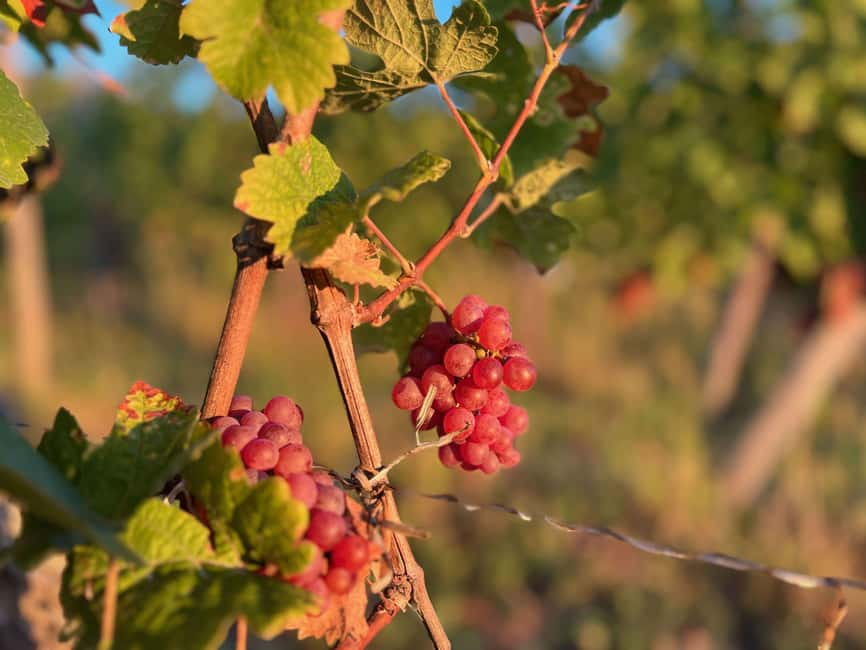
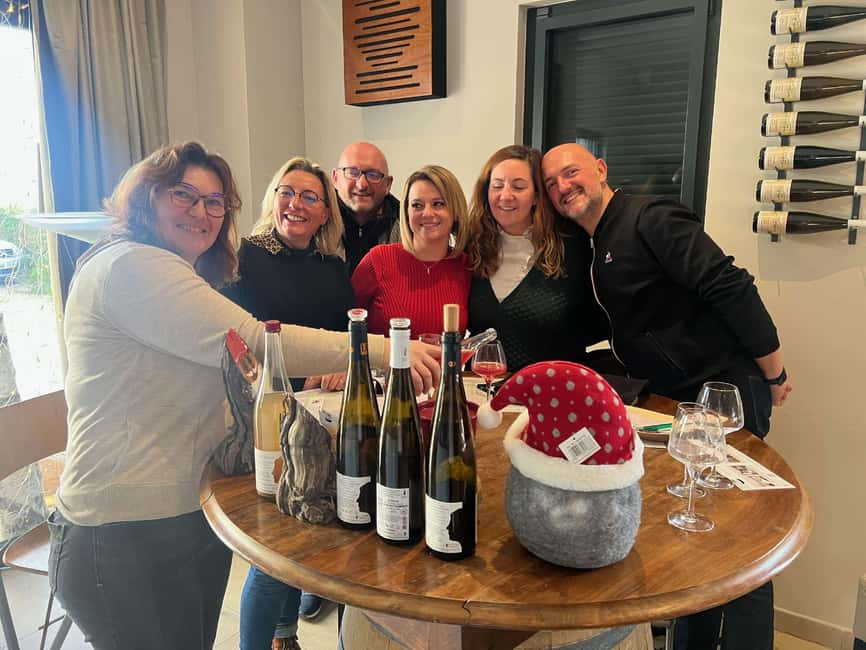
The tour ends with a comparative and commented tasting of 7 wines. This is a big part of why the price feels fair. You’re not paying just for the scenery and a quick sip. You’re paying for a guided tasting structured to compare styles, choices, and outcomes, with Muriel telling you the story of each wine.
The wines are chosen from the domaine’s vintages based on your tastes and desires. That means you’re more likely to end up with bottles you can connect to right away. If you prefer lighter whites, something crisp and vineyard-driven may fit better. If you like richer or more structured expressions, the selection can reflect that. You’re also tasting organic wines specifically, so you’re learning within a consistent farming philosophy rather than comparing wildly different systems.
You’ll also get a few snack-style pairings to keep things comfortable during the tasting: an Alsatian pretzel or slice of kougelhopf, plus crackers to nibble on. It’s simple, but it helps you enjoy the tasting without feeling like you’re just tasting wine back-to-back.
And here’s another practical win: you have the chance to buy wines at the best prices. If a bottle really clicks, you can take it home without playing the “what if” game later.
Price and Value: Why $35 for Two Hours Can Make Sense
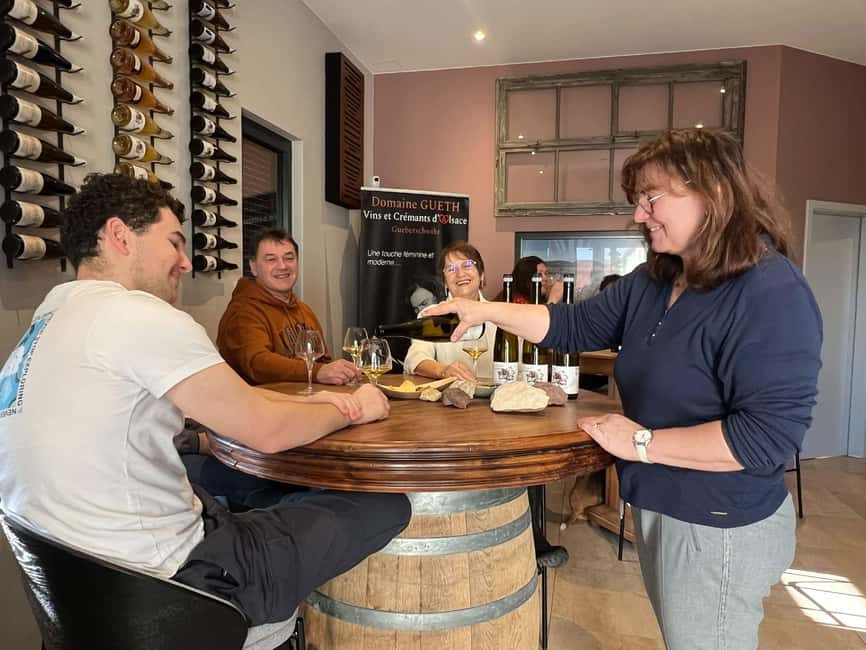
At about $35 per person for a 2-hour experience, the headline price doesn’t tell the full story. This tour includes several components that add up fast when you price them separately: time with the winemaker, vineyard walk, cellar and facilities visit, and a guided tasting of 7 organic wines.
Two-hour wine tours can be expensive when they mostly deliver a quick cellar stop and a token pour or two. Here, you’re getting a full arc: vineyard first (so the tasting has context), cellar afterward (so you understand production), then a comparative tasting that goes beyond one single wine.
If you love authentic small-scale experiences, this one fits. It’s not a giant bus tour. It’s a domaine experience at the pace of a working winemaker.
Languages, Timing, and What to Bring (Without Guesswork)
The tour is spoken in French, English, and German, so you can match your comfort level. If you’re planning around timing, note that it runs for 2 hours, with starting times depending on availability.
What you should bring is practical and spelled out:
- Shoes you can walk in on paths (sneakers or walking shoes)
- An umbrella and outdoor clothing for the walk
That might sound basic, but it matters. Vineyard weather changes fast, and the tour includes an outdoor segment for learning, not just for photos.
If you prefer to avoid alcohol, there’s a solution that keeps you fully included: you can replace the wines with 100% organic grape juice (red and white). That’s a smart option for designated drivers, lighter-tasting days, or anyone who simply doesn’t want to drink wine.
Who This Tour Suits Best (and Who Might Skip It)
This experience is a great match if you want:
- A winemaker-led tour rather than a generic guide explanation
- Organic viticulture explained in plain, grounded terms
- A tasting that compares multiple wines, not a single highlight pour
- A small-domaine feel with direct access to the producer
You might consider skipping if you’re looking for a super-short tasting with zero outdoor time. This one includes a vineyard walk and expects you to be comfortable moving around outdoors.
Also, if you’re traveling with curiosity but not a deep wine background, you’re fine. The cellar and technical installations plus Muriel’s commentary create the context, so you don’t need prior jargon knowledge to enjoy it.
Should You Book Dare to Alsace Wine with a Feminine Touch?
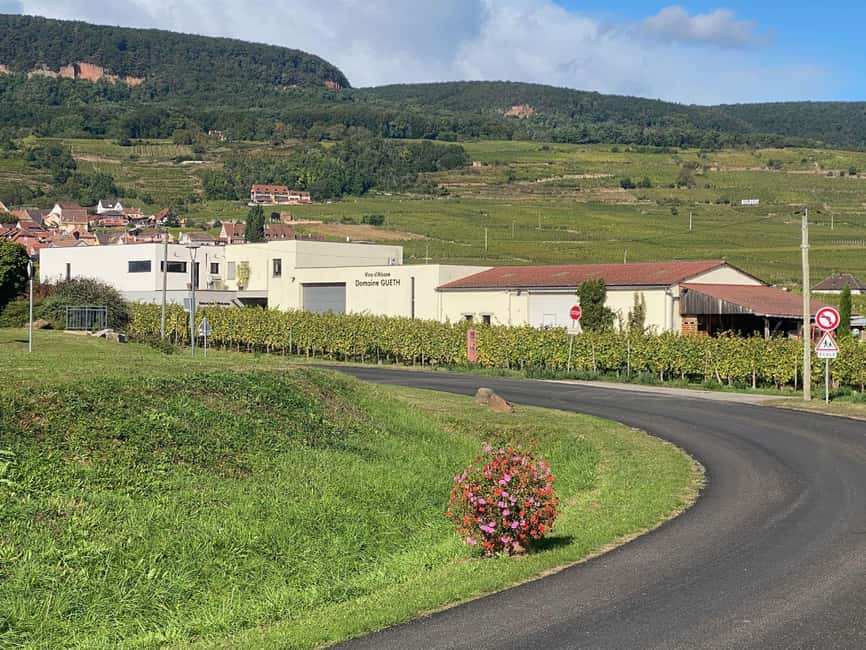
If you like wine tours that teach you something while staying human-sized, I think this one is an easy yes. The reason is simple: you get the full chain from vine to cellar to tasting, and it’s guided by the winemaker, Muriel, at Domaine Gueth in the heart of the vineyard.
Book it if you want value that comes from content, not crowds: the vineyard walk (about an hour), the cellar visit with technical installations, and the comparative tasting of 7 organic wines. If you can do a short outdoor walk comfortably and you’re open to letting someone else guide your wine choices, this tour is one of those “do it once and you’ll understand Alsace better” experiences.
FAQ
How long is the tour?
The experience lasts 2 hours.
How many wines are tasted?
You’ll do a comparative tasting of 7 organic wines chosen according to your tastes and desires.
Can I replace the wine with something non-alcoholic?
Yes. You can replace the wines with 100% organic grape juice (red and white).
What is included during the tasting?
In addition to the 7 organic wines, you’ll have some food to nibble on, such as an Alsatian pretzel or a slice of kougelhopf, plus crackers.
Where does the tour start?
The meeting point is at the estate courtyard, where there is free parking.
What languages are offered?
The tour is spoken in French, English, and German.
If you tell me what month you’re going and whether you prefer dry whites or fuller reds, I can suggest how to walk into the tasting so you get the most out of those 7 pours.