REVIEW · POSITANO
Cooking class with Pasta, mozzarella and Tiramisu with wine
Book on Viator →Bookable on Viator
It’s not in Positano proper. This hands-on class teaches how to make fresh mozzarella, handmade pasta, and tiramisu, then you get to eat it in a farm setting with wine. You’ll be working with Ferdinando (and often Michael), so the vibe is friendly, funny, and very Amalfi instead of a standard factory-style demo.
I especially loved the practical, learn-by-doing approach, and the way the meal ends with what you made, plus wine from the property. One thing to weigh: the location is up the coast and into the hills, so expect a real commute, and that matters for timing.
In This Review
- Key Highlights You Should Know
- Why Amalfi’s Hills Make This Mozzarella-Pasta-Tiramisu Class Worth It
- The Three Dishes You’ll Make (And What You’ll Actually Learn)
- Fresh Mozzarella With Tomatoes and Basil
- Handmade Noodles With Organic Vegetable Sauce
- Classic Tiramisu Using Grandma’s-Style Recipe
- What the 3-Hour Rhythm Feels Like (Not a Cookbook Tour)
- The Commute Up the Mountain: Positano Isn’t the Doorstep
- Practical Transport Tip: Build in Buffer Time
- The Farm Setting: Where Food Tastes Better Because You’re Slower
- Wine With Dinner: Included, But Only for 18+
- Value for $72.56: Is It Worth Your Time?
- Who Should Book, and Who Should Rethink It
- My Booking Advice: How to Make This Go Smoothly
- Should You Book This Cooking Class in Pianillo?
- FAQ
- What dishes are included in the cooking class?
- How long is the class?
- Where do we meet, and where does it end?
- Is the class taught in English?
- Is wine included, and is it served to everyone?
- How big is the group?
Key Highlights You Should Know
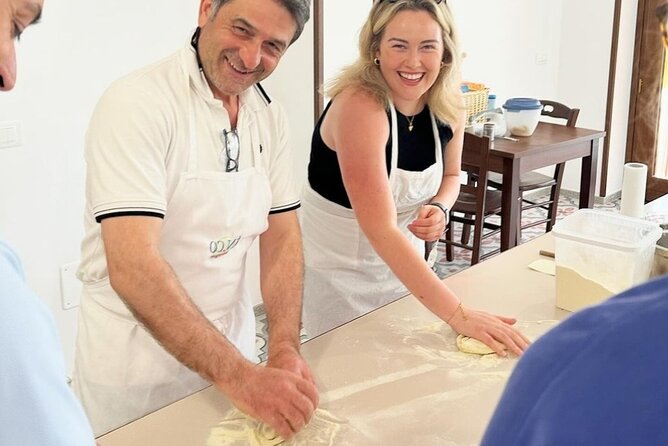
- Mozzarella hands-on: you learn artisanal technique, not just watch it happen
- Homemade pasta: you make the noodles and season them with organic vegetable sauce
- Tiramisu with a family-style recipe: classic layers, not shortcut dessert
- Farm-based meal + wine: tasting is part of the experience, not an afterthought
- Small-group feel: capped at 40, and many groups feel intimate once you’re there
- Plan around the mountain ride: the commute can shape your day more than the cooking
Why Amalfi’s Hills Make This Mozzarella-Pasta-Tiramisu Class Worth It
If you want an Amalfi experience that feels like you left the tourist track for a few hours, this is it. The cooking takes place away from the main streets, up where you can feel the rhythm of farm life. The views and garden setting matter because they change how the whole afternoon feels. You stop thinking like a visitor and start thinking like someone cooking dinner at home.
I also like that the course is built around three iconic dishes, not just one. You’re making fresh mozzarella, then handmade noodles, then finishing with tiramisu. That gives you a complete, satisfying cooking arc. When the meal finally lands, it’s not random food you ordered. It’s the same dishes you worked on, in the order you made them.
One more thing: hosts like Ferdinando often bring energy to the room. In classes like this, the teacher can make or break the experience, and here the teaching comes with stories and plenty of conversation while you work.
The Three Dishes You’ll Make (And What You’ll Actually Learn)
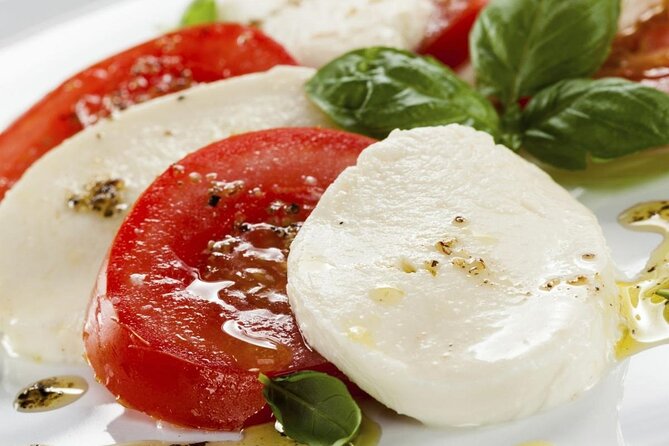
This class is structured like a mini-Italian food course with clear milestones. Starter, main, dessert. Plus tasting time at the end. Here’s what you can expect to cook, and why each part is valuable.
Fresh Mozzarella With Tomatoes and Basil
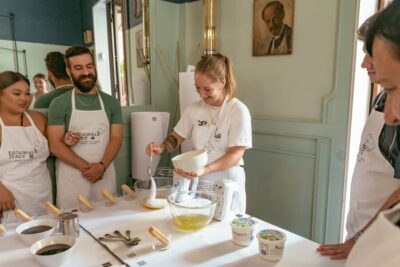
You start with mozzarella production, guided by the chef. The point isn’t just the end result. It’s learning how to get the texture right and how to handle the process with confidence. Mozzarella is one of those foods people assume is either bought or impossible. When you make it yourself, you suddenly understand why good mozzarella tastes the way it does.
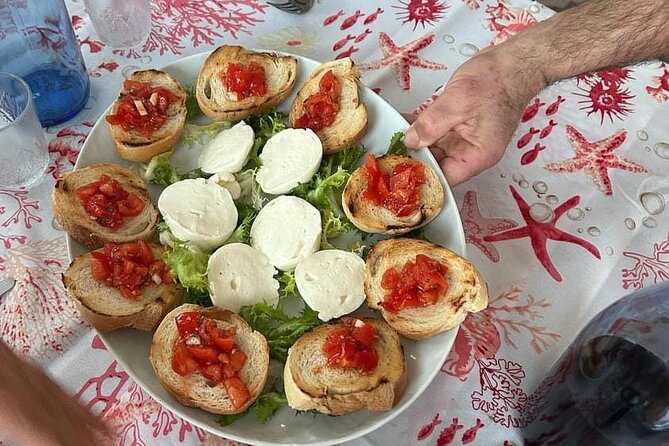
You’ll also eat it as a starter with tomatoes and basil, along with vegetables from the garden. That matters because it’s not only a technique lesson. It’s a taste lesson, too. You learn how simple ingredients make mozzarella shine.
Handmade Noodles With Organic Vegetable Sauce
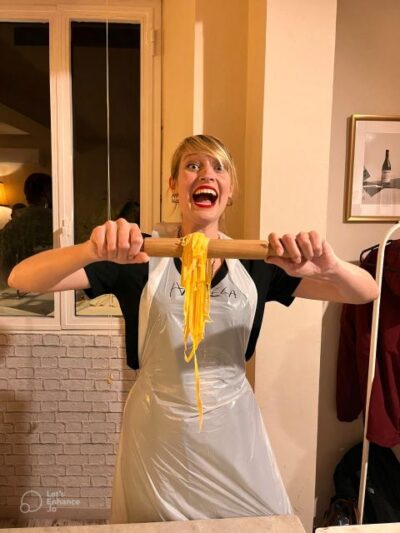
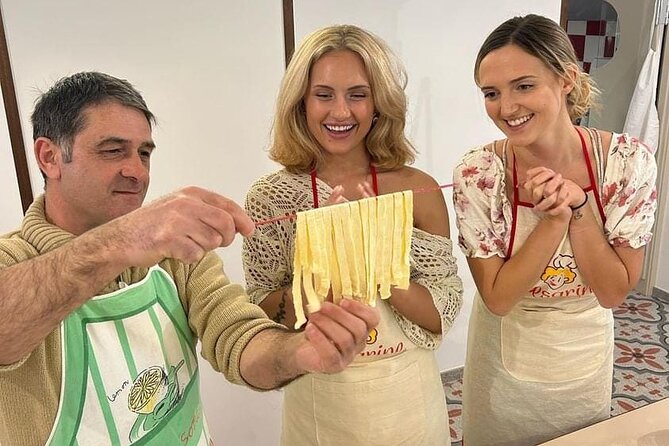
Next comes pasta. The class focuses on creating noodles from scratch (tagliatelle-style/handmade noodles) and learning secrets for good pasta results. You’ll work with local ingredients and then season with organic vegetable sauce. If you’ve ever made pasta at home and wondered why it sometimes turns out chewy, soft, or flat, pasta-making technique is the missing piece. This is where you can pick up practical muscle memory, like how the dough should feel and how to handle the dough while shaping.
In the main course, you’ll get to eat what you made, seasoned in a straightforward way. This keeps the focus on execution rather than hiding mistakes behind heavy sauces.
Classic Tiramisu Using Grandma’s-Style Recipe
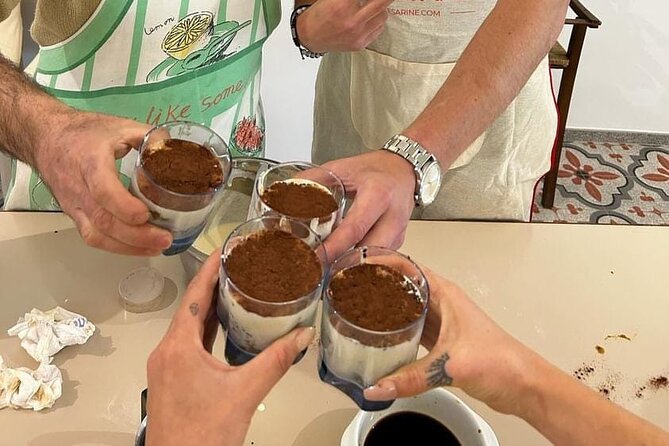
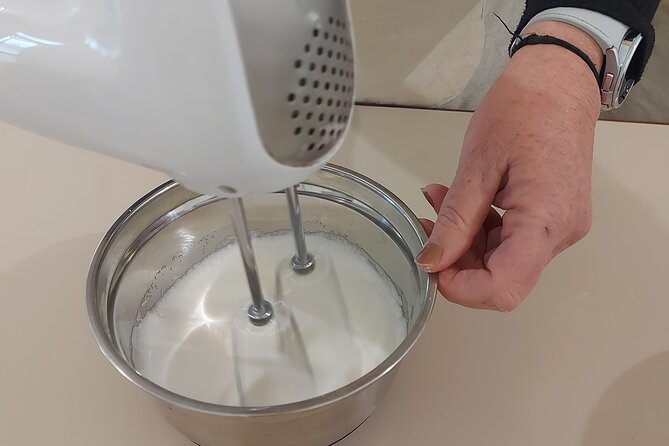
Then dessert: tiramisu. It’s a classic reason people fall in love with Italian cooking. The main lesson here is the layering and texture. Tiramisu lives or dies on balance, and you’ll be working through the steps that create that creamy, set-yet-light feel.
You’ll also get to taste tiramisu as dessert after cooking. Some groups snack while it’s in progress, which tells you the dessert tends to be a crowd favorite.
What the 3-Hour Rhythm Feels Like (Not a Cookbook Tour)
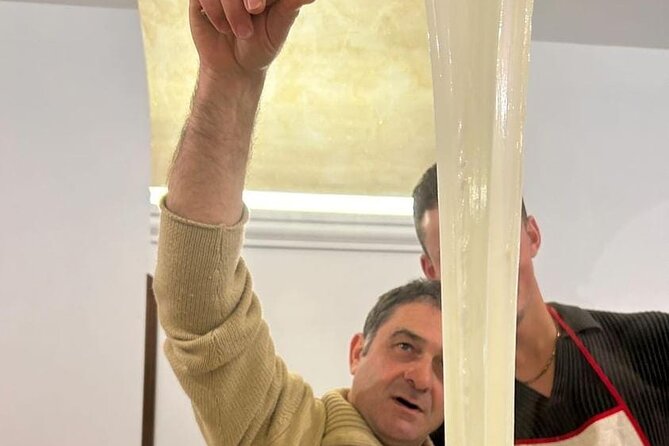
A good cooking class leaves you thinking, I can do that. The best part of this one is that you get hands-on time across the full menu. The hosts, including Ferdinando and Michael, are focused on getting you moving, not just standing around for photos.
That said, I’d set expectations based on how these classes usually run in a real kitchen setup. With a maximum of 40 people, not every person can do every step in perfect repetition like you would in a private lesson. In a small-group class, you still share space and tools. You might do a key portion of the process and get coaching for the rest, rather than personally repeating every single micro-step.
Also, the instruction style may feel more like guidance plus technique tips than like a slow, line-by-line textbook lesson. You might find recipes shared later online rather than receiving a detailed printed guide on the spot. If you’re the kind of traveler who wants to write every step down and recreate it precisely later, consider taking notes during the class and asking questions when you’re still at the station.
The Commute Up the Mountain: Positano Isn’t the Doorstep
Here’s the part that can make or break your day: getting to the farm. Even though this experience is listed around Positano, the meeting point is in Via degli Ontanelli, 13, 80051 Pianillo NA, Italy. Most people staying in Positano should plan for a bus or ferry + bus combination, because the class location is up the coast in the hills.
From the experience side, expect about 1 hour 15 minutes to 1.5 hours of travel one way depending on where you start and how you route it. That’s not a deal-breaker, but it’s long enough that you should treat it like part of the itinerary, not something you squeeze in at the last minute.
Practical Transport Tip: Build in Buffer Time
If you miss a connection, you can end up waiting for a long time. This is exactly where travel-day stress sneaks in. My advice: give yourself extra margin for buses, and if you’re using public transport, confirm the return options early. The bus schedule can be tight in this area, and you don’t want your evening plan to depend on luck.
If you’d rather reduce stress, consider doing the commute with a plan you trust, even if it costs a bit more (like taxi for a missed leg). If you do taxi, keep the cost in your decision math because it can add up quickly.
The Farm Setting: Where Food Tastes Better Because You’re Slower
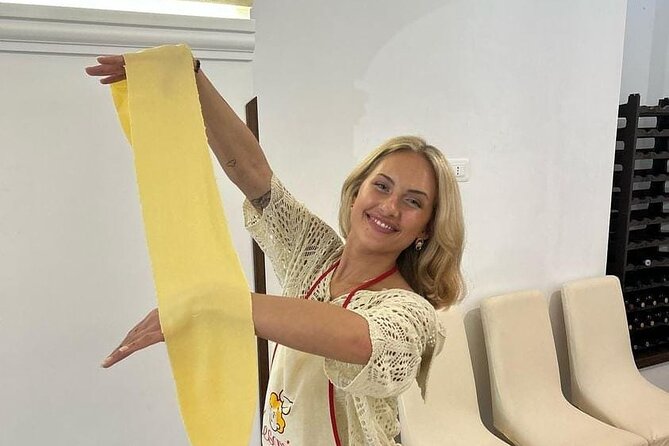
Once you arrive, the setting does something useful. It turns the class into an experience, not just a task. You’re in a farm environment with gardens and an atmosphere that feels lived-in. People talk more. Photos happen because you’re surrounded by real scenery, not just a room with a projector.
Also, the environment helps with the social part of the day. In reviews, this is consistently described as a fun, friendly group day where you meet people from different countries. I like this angle because it changes the value of the class: you’re paying for food plus conversation plus a sense of place.
And since you’re cooking outdoors or in a home-farm style space (depending on weather and setup), you get a texture you won’t get in a city cooking studio.
Wine With Dinner: Included, But Only for 18+
The meal ends with wine produced on the farm. You’ll have tasting time with what you made. If you’re 18+, you’ll be served alcoholic beverages. If you’re under the legal drinking age in Italy, you won’t be served wine.
Even if you’re not a big drinker, the wine still matters to the meal experience because it’s part of the pacing. You cook, you eat, you linger a little longer. That’s when the day turns from technique practice into an actual dinner you remember.
Value for $72.56: Is It Worth Your Time?
At $72.56 per person for about 3 hours, the value comes from a few things working together:
- Three dishes across starter, main, and dessert
- Hands-on work rather than only a demonstration
- Real ingredients tied to the farm and garden theme
- Farm wine included for adults
- A cap of 40 travelers, which usually helps keep things from feeling like chaos
If you’re comparing this to cheaper cooking classes, the real difference is that you’re not just learning recipes. You’re getting an Amalfi Coast location and a farm-based setting that makes the meal feel like a local afternoon. If you’re paying for a quick food lesson in a crowded studio, this may not be the best match.
If you’re paying attention to timing, the commute also affects value. A $72.56 class can feel expensive if you end up rushing, missing connections, or waiting a long time. If you can manage the travel with buffer time, the cost feels more fair because the afternoon feels complete.
Who Should Book, and Who Should Rethink It
This class is a great fit for you if:
- you want hands-on cooking across mozzarella, pasta, and tiramisu
- you like learning from a lively host like Ferdinando and getting friendly coaching from Michael
- you’re traveling with a friend, couple, or family and want a shared activity that ends with a real meal
- you want an Amalfi experience that feels rooted in the local countryside
You might want to rethink it if:
- you hate long commutes and want everything close to Positano
- you expect a super detailed, step-by-step teaching format where each person repeatedly makes the full dish start to finish
- you need a very strict schedule for the afternoon and evening, since mountain transport can create delays
That said, even when people feel the journey is long, many still describe the cooking and setting as the highlight once they’re there.
My Booking Advice: How to Make This Go Smoothly
Before you book, do two quick checks so you don’t lose hours to stress.
First, plan your route to the meeting point (Via degli Ontanelli, 13). Treat it like an actual travel leg, not a casual transfer. If you’re staying in Positano, plan for a bus or ferry + bus combo and give yourself buffer.
Second, decide what you want from the class: food and fun, or a precise technique deep-dive with lots of repeated practice. This course is very much the first one. You’ll learn, you’ll cook, and you’ll eat. If you need every step spelled out like a home-lab manual, you may have to take more notes and ask more questions during class.
Should You Book This Cooking Class in Pianillo?
If you’re coming to the Amalfi Coast to feel the place, not just check boxes, I’d strongly consider booking. Mozzarella, handmade noodles, and tiramisu in one session is a satisfying menu, and the farm wine finish gives the whole day a natural ending. The hosts’ energy, especially Ferdinando and Michael, adds real warmth, and the farm setting makes it feel like a local meal.
But if your schedule is fragile or you cannot handle the mountain commute, skip it. This experience lives and dies by getting to Pianillo on time. When you do manage that, the class tends to feel like a memory you’ll talk about long after you’re back home.
FAQ
What dishes are included in the cooking class?
You’ll learn to prepare fresh mozzarella, handmade noodles with vegetable sauce, and traditional tiramisu.
How long is the class?
The experience runs about 3 hours.
Where do we meet, and where does it end?
The meeting point is Via degli Ontanelli, 13, 80051 Pianillo NA, Italy, and the activity ends back at the meeting point.
Is the class taught in English?
Yes. The experience is offered in English.
Is wine included, and is it served to everyone?
Wine produced on the farm is included with the tasting. Alcoholic beverages are only served to people who have reached the legal drinking age in Italy (18).
How big is the group?
The group is capped at a maximum of 40 travelers.