REVIEW · BARBERINO TAVARNELLE
Chianti: Vineyard to Bottle Winery Visit with Tastings
Book on GetYourGuide →Operated by Soc Agr Casa Sola · Bookable on GetYourGuide
One sip tells the Chianti story. Casa Sola Winery gives you a vineyard-and-olive-field walk plus a real cellar visit, so the tasting feels tied to what you just saw in the hills between Florence and Siena. I love how the team keeps things personal, and the views make the whole experience feel special without turning it into a production.
One thing to know before you go: the included food is light. You’ll get Tuscan baked product with olive oil and balsamic, but if you want cheese, bruschette, or charcuterie, you’ll pay for that on site.
In This Review
- Key highlights at Casa Sola
- Casa Sola Winery: a Chianti stop that’s easy to say yes to
- Walking the vineyards and olive fields (why this part is worth your time)
- Tour of the cellars: learning how aging changes the wine
- Your tasting flight: Chianti Classico, Riserva, and Montarsiccio
- Vin Santo plus the food pairing lesson: olive oil, balsamic, and bread
- Guides, personalities, and the kind of info you’ll actually use
- Value check: what $37 buys you in real terms
- Timing, weather, and comfort details that matter on the day
- Should you book Casa Sola’s vineyard-to-bottle visit?
- FAQ
- How long is the visit?
- Where does the tour start?
- What wines are included in the tasting?
- Is olive oil and balsamic included?
- Can I add cheese, bruschette, or charcuterie?
- Is the tour wheelchair accessible, and are children welcome?
- Is free cancellation and reserve & pay later available?
Key highlights at Casa Sola
- Small, family-run feel: the tour is built around a more personal pace and guided explanations.
- Vineyard and olive-field time: you don’t just taste wine; you see how the land supports both wine and olive oil.
- Ancient cellar atmosphere: you’ll step into the cellars to understand how the wines are made and aged.
- A focused tasting flight: three reds plus dessert wine, with a guide leading you through what to notice.
- Olive oil and balsamic tasting with Tuscan bread: a practical pairing lesson you can use back home.
Casa Sola Winery: a Chianti stop that’s easy to say yes to
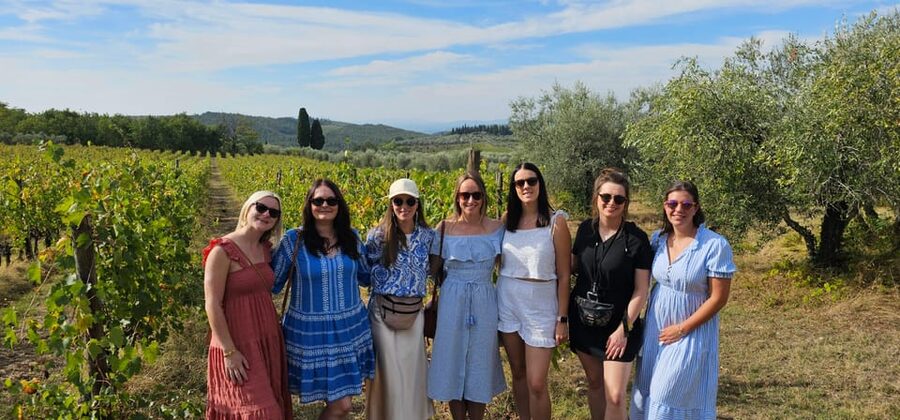
Casa Sola sits in Chianti territory between Florence and Siena, which is a convenient base area for a Tuscany day. You’re not stuck in a huge industrial complex or a rushed tasting room. Instead, it’s a family boutique estate where you can follow the flow from vineyard to cellar to glass in about 1.5 hours.
You’ll start at the front entrance, and you’ll use a separate entrance so you can skip the line. The visit runs with a live guide, offered in English, French, and Spanish, so you’re not left guessing what you’re tasting or why it matters.
This tour is also wheelchair accessible, which is a real advantage if mobility is an issue. The ground is mostly outdoors at the start, so comfy footwear still matters, but the experience is set up to be welcoming.
Walking the vineyards and olive fields (why this part is worth your time)
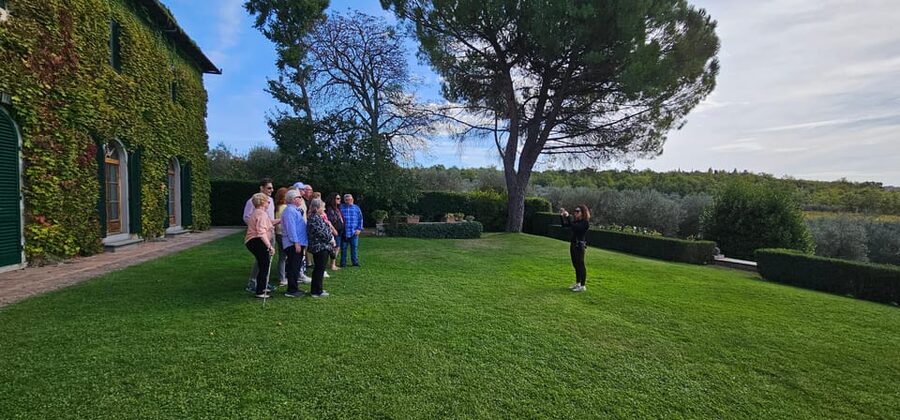
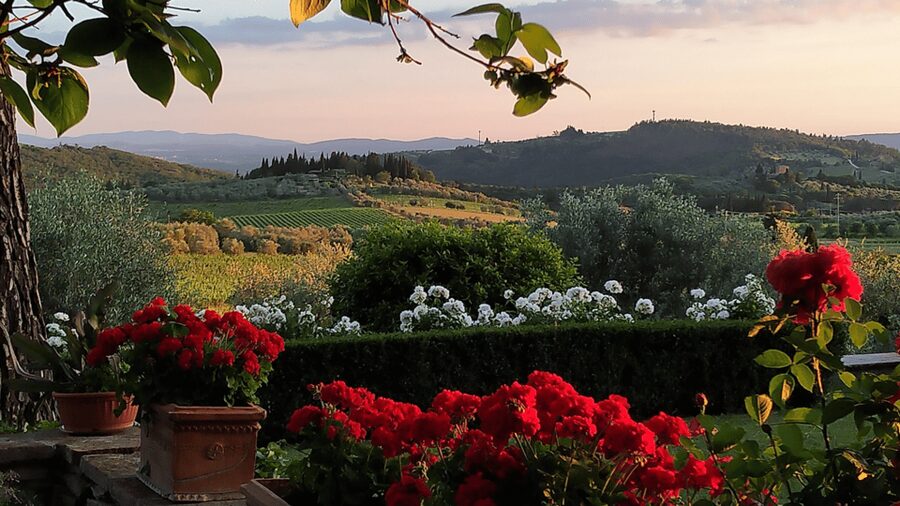
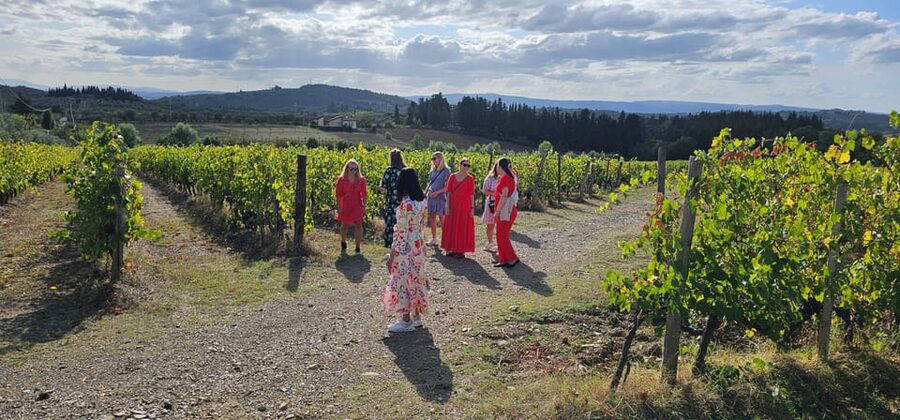
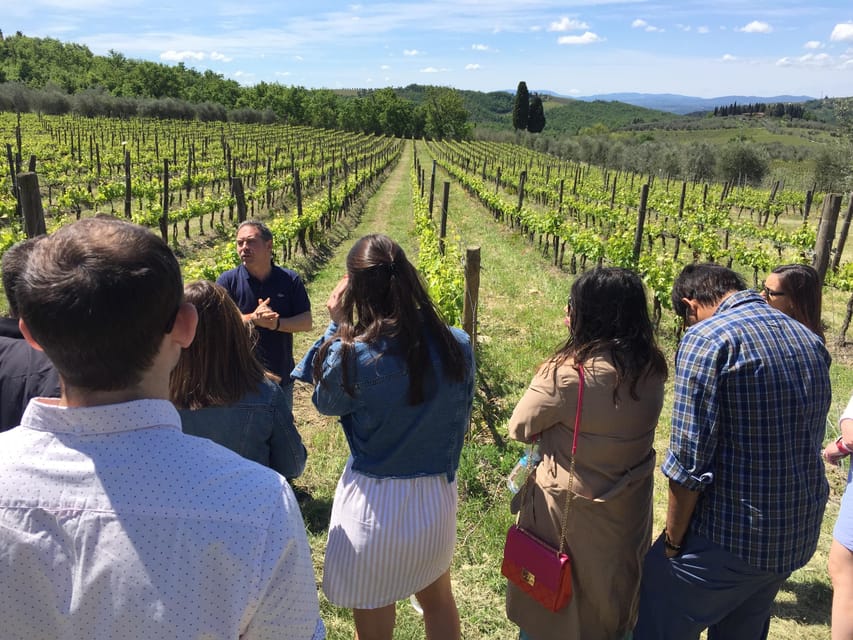
The first stretch is a guided walk through the vineyards and olive groves, about 40 minutes. This is where you get the “why” behind Chianti, not just the “what.” When you see the vines and the olive trees in place, you understand that wine here isn’t an abstract label. It’s tied to how the estate grows, seasons shift, and the land is managed.
You’ll learn about their approach to growing and sustainability. The goal isn’t to overwhelm you with farming jargon. It’s more like getting your bearings fast: you’ll come away with a clearer sense of what you’re looking at and how that connects to the wine in your glass later.
This walk is also a nice pacing reset if you’ve been driving all day. You’ll have time to take in the views on the way, then return to the estate buildings when you’re ready to get into the cellar details.
Practical tip: wear shoes you trust. You’re walking on estate paths, and it’s Italy—weather and ground conditions can change.
Tour of the cellars: learning how aging changes the wine
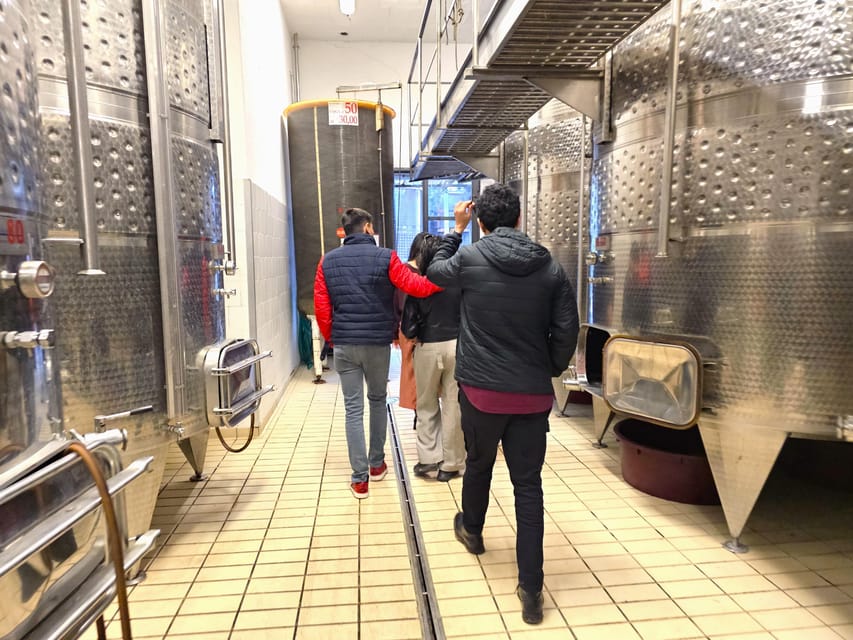
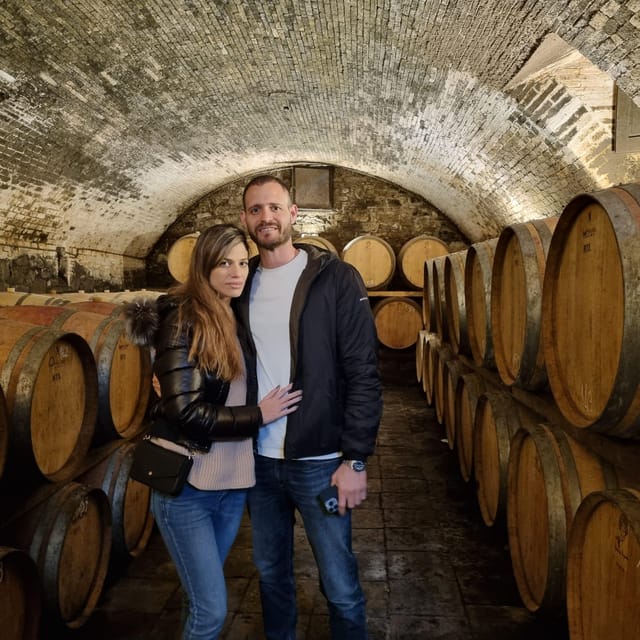
Next comes the cellar tour, about 50 minutes total for the winery portion including tasting. The cellars are a key part of this experience because you’re not just watching someone pour wine. You’re shown the winemaking steps and how the team thinks about fermentation and aging.
You’ll hear about fermentation techniques and how aging works across different barrel types. Even if you’re not a technical wine nerd, this is useful. Barrel choice and aging time can affect everything you notice later—texture, how the wine feels on your palate, and how the flavors evolve as the wine opens up.
The atmosphere helps, too. One highlight calls out access to an ancient cellar, and that matters because it changes the mood from casual tasting to a more grounded, “this is real production” feeling. You can almost imagine the wine resting here while you learn why the winemaking choices matter.
If you’re the kind of person who likes to ask questions, this is a good moment. You can connect the cellar talk directly to the wines you’ll taste next.
Your tasting flight: Chianti Classico, Riserva, and Montarsiccio
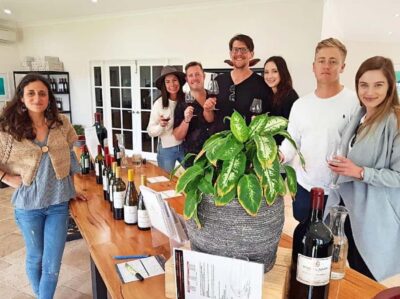
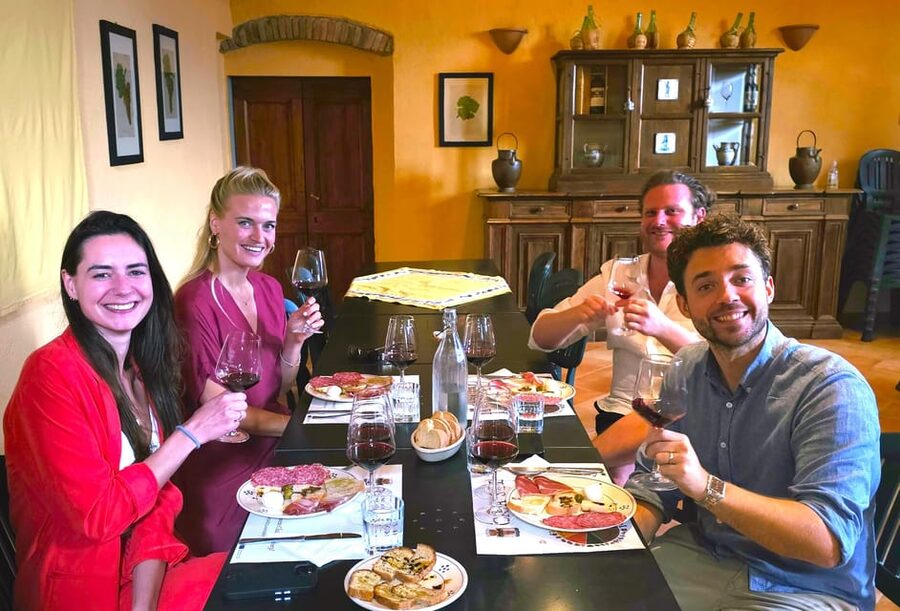
Now for the main event: a guided tasting of four wines. You’ll sample three reds—Chianti Classico, Chianti Classico Riserva, and Montarsiccio I.G.T. (their Supertuscan)—plus Vin Santo, a dessert wine.
This lineup is smart because it covers different expressions of the Chianti umbrella. Chianti Classico gives you the baseline. The Riserva version is the chance to compare how more time in the process can shift the wine’s character. Then Montarsiccio I.G.T. lets you taste a style that’s more outside the traditional box, which is exactly what many people want when they’re in Tuscany and want variety beyond the safest pick.
Your guide will walk you through the tasting as a sensory exercise, not just a “taste and move on” moment. You’ll get tips on flavor profiles and food pairings, and you’ll learn what to look for as you taste each wine.
A small practical note: tasting four wines in 1.5 hours means you’ll taste with some rhythm. It’s fast enough to keep energy up, but not so short that you never get time to notice differences.
If you want to get the most out of it, slow down during the second and third pours. That’s often when your palate starts grouping similarities and differences more clearly.
Vin Santo plus the food pairing lesson: olive oil, balsamic, and bread
One of the best parts of this tour is that it doesn’t treat wine as the only star. Alongside the tasting, you’ll have olive oil and balsamic dressing, served on traditional Tuscan bread, plus a Tuscan baked product.
This is a practical pairing idea you can take home. Even if you don’t remember every wine name, you’ll remember the basic logic: acidity, richness, and flavor contrast work differently with oil and vinegar-type flavors than with cheese-heavy bites.
The olive oil tasting is a big deal in Tuscany culture, and pairing it with bread is a straightforward way to understand its role on your palate. The balsamic dressing adds a tangy sweetness, which changes how you experience the wines afterward.
And Vin Santo closes the loop nicely. Since it’s dessert wine, it gives you a final comparison point: how wine tastes shift when sweetness and aging style come into play.
If you’re used to thinking of wine tastings as purely about reds and maybe one cheese plate, this added food component makes the whole visit feel more like a Tuscan table lesson.
Guides, personalities, and the kind of info you’ll actually use
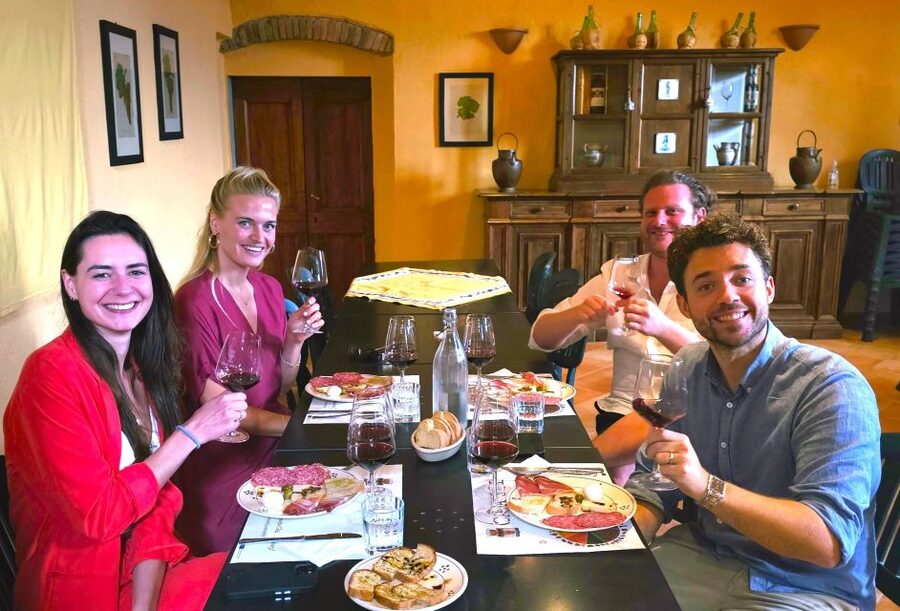
The guide experience is a real strength here. One review highlights a guide named Andrea for being friendly and upbeat, and another praises clear explanations about wine and olive oil production. That combination matters because it means you’re likely to get the “what” and the “why,” not just the poured-and-pointed recitations.
You can expect a guided approach that connects the vineyard and cellar work to the tasting choices. That’s where the value lives for non-experts. You don’t need to already know how Chianti is made. The guide helps you notice what matters.
Language coverage is also a plus: English, French, and Spanish are available. So if you’ve had trouble finding tours you can comfortably understand in the past, this is one you can likely match to your language.
Value check: what $37 buys you in real terms
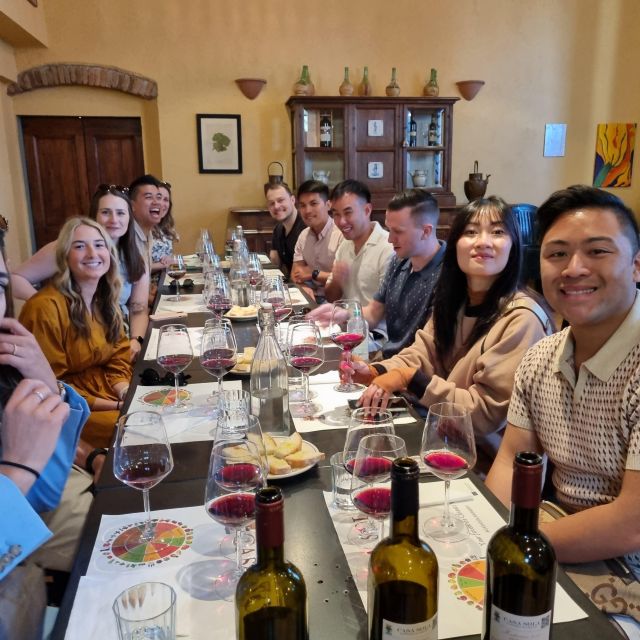
At $37 per person for about 1.5 hours, this is a fairly strong value when you look at what’s included. You’re paying for a guided estate walk, a cellar tour, and a sit-down tasting of three red wines plus Vin Santo, along with still water.
On top of that, you get tastings of extra-virgin olive oil and balsamic dressing, served with traditional Tuscan bread, plus a Tuscan baked product. There’s also parking included, which matters if you’re driving yourself through the area.
What isn’t included is also clear: cheese, bruschette, and charcuterie are available on request, but paid for on site. So if you want a bigger lunch-style spread, you’ll need to budget extra.
For me, the best “value” signal here is the structure. You’re not only sampling wine in a room; you’re being shown the estate process first. That makes the tasting feel more earned and easier to understand.
Timing, weather, and comfort details that matter on the day
Plan for a short, focused outing. The tour is built to finish in about 1.5 hours, which is ideal when you want wine time without sacrificing the rest of your Tuscany day. You’ll also want to plan around rain: it runs rain or shine, and the provider can modify the itinerary if conditions are harsh.
That means you should bring what you need to stay comfortable in shifting weather. Even if the tasting stays on track, outdoor walking portions may be adjusted.
Children are welcome, but there’s no wine served to them. So if you’re traveling with kids, it’s good to know you can still enjoy the walk and cellar time without worrying about underage wine service.
Finally, bring comfortable shoes. This isn’t a museum floor stroll. It’s an estate walk.
Should you book Casa Sola’s vineyard-to-bottle visit?
I’d book it if you want a Chianti experience that’s short, well guided, and built on more than just a tasting-room routine. The vineyard and olive-field walk gives context, and the cellar visit plus tasting gives you the payoff.
Skip it if you’re expecting a large meal included with wine. The included bites are light and pairing-focused. If you want a full lunch with cheese and cured meats, plan to add those on site.
If you’re the type who likes clear explanations, good pacing, and a tasting lineup that includes both classic Chianti and a Supertuscan-style option, this is a strong match.
FAQ
How long is the visit?
The experience lasts about 1.5 hours.
Where does the tour start?
You meet at the front entrance of Casa Sola Winery (Fattoria Casa Sola).
What wines are included in the tasting?
The tasting includes Chianti Classico, Chianti Classico Riserva, Montarsiccio I.G.T. (Supertuscan), and Vin Santo dessert wine.
Is olive oil and balsamic included?
Yes. You’ll taste extra-virgin olive oil and balsamic dressing, served with traditional Tuscan bread.
Can I add cheese, bruschette, or charcuterie?
Yes, those options are available on request, but they are not included in the price and must be paid for on site.
Is the tour wheelchair accessible, and are children welcome?
The tour is wheelchair accessible. Children are welcome, but no wine will be served to them.
Is free cancellation and reserve & pay later available?
Yes. You can cancel up to 24 hours in advance for a full refund, and there is also a reserve now & pay later option.