REVIEW · AY
Aÿ-Champagne: Pressoria Champagne Museum with Tasting
Book on GetYourGuide →Operated by PRESSORIA · Bookable on GetYourGuide
Champagne tastes better when you understand it. Pressoria Champagne Museum in Aÿ-Champagne turns the whole process into an interactive walk, and I like the way it ends with a tasting of two local Champagnes. I also love the hands-on, five-senses style exhibits that keep both adults and kids paying attention.
One thing to consider: this is self-guided. If you want a live guide to answer every question, you may feel a bit more on your own than on a traditional tour.
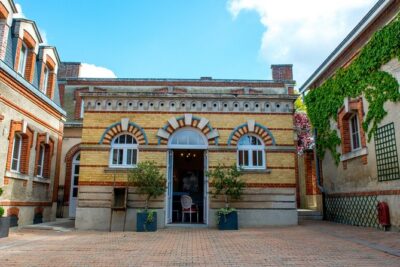
In Aÿ-Champagne, the museum sits at the foot of a green hillside in the UNESCO-listed commune, so the experience feels tied to the place, not just the product. You’ll finish with a calm vineyard view moment and a better sense of what makes Champagne taste like Champagne.
In This Review
- Key Highlights That Make Pressoria Worth Your Time
- Pressoria in Aÿ-Champagne: a Museum Built for Senses and Story
- Getting There: Parking at Boulevard Pierre Cheval and Easy Entry
- What You Actually Do There: A Self-Guided Walk Through Champagne
- From UNESCO Vineyards to the Museum: Why Aÿ-Champagne Feels Like More Than Background
- The “How Champagne Becomes Itself” Route: Soil to Bottle
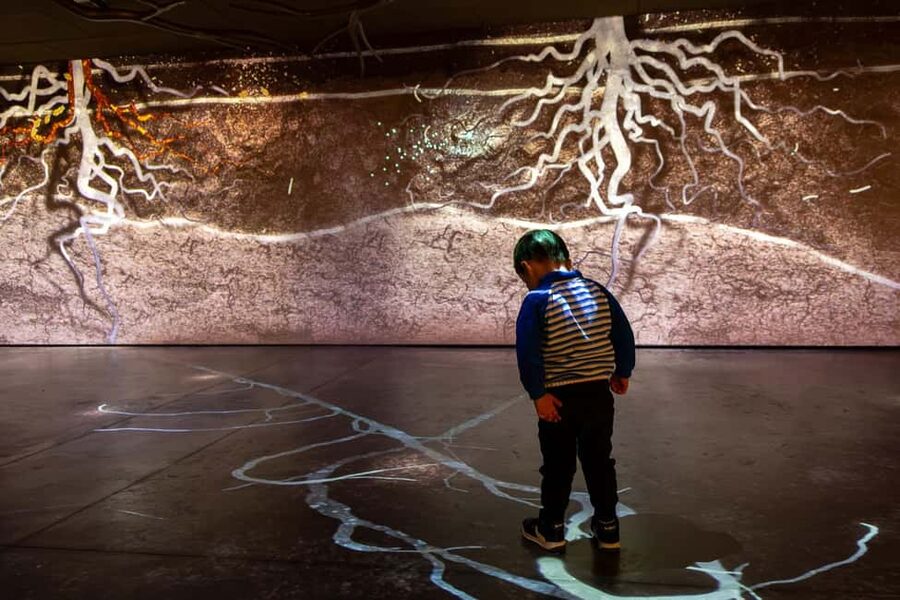
- The Sub-Soil and Vineyard Logic: Where Flavor Starts
- Grapes, Pressing, and the Tech-Driven Visuals That Make It Click
- Fermentation, Aging, and Bottling: Turning Steps Into Flavor
- The Tasting Moment: Two Local Champagnes, Plus a Vineyard View
- How to Taste Like You Mean It (Without Pretending You’re a Sommelier)
- Price and Value: Is $21 a Good Deal for a One-Day Experience?
- Family-Friendly in Real Life: Why Kids Don’t Get Bored Here
- Practical Tips That Make the Day Smoother
- A Balanced Reality Check: The One Possible Weak Spot
- Who Should Book Pressoria (and Who Might Skip It)
- Should You Book Pressoria Champagne Museum?
- FAQ
- What is included with the ticket?
- How long is the experience?
- Is the tour guided?
- What languages are available?
- Where should I park and meet?
- Is the museum wheelchair accessible?
Key Highlights That Make Pressoria Worth Your Time
- Tasting 2 Champagnes included, so you actually test what you learn
- Interactive exhibits designed to engage your senses, not just your eyes
- A clear Champagne-making storyline, from grape growing to bottle aging
- Five-senses learning that works well for families
- Vineyard terrace views that make the tasting feel special
Pressoria in Aÿ-Champagne: a Museum Built for Senses and Story
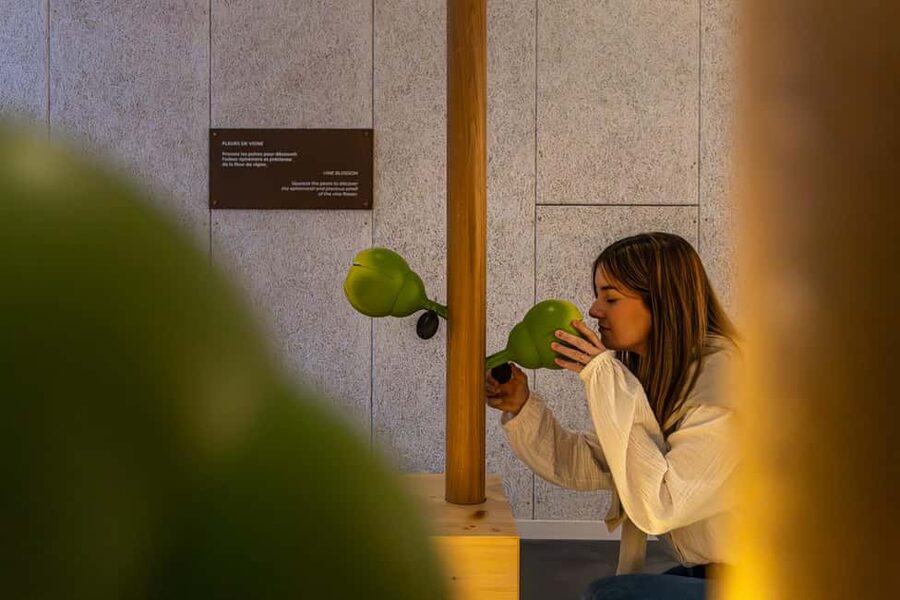
Pressoria is a Champagne museum focused on turning knowledge into experience. Instead of a typical hallway of posters, you move through tech-driven rooms and interactive displays that explain how Champagne is made and why this region matters. It’s set up so you can pause, go at your pace, and actually connect the steps in the process to what you’ll taste later.
I like that it’s not trying to be a lecture. You get the big picture and the details, with enough structure to help you leave with real confidence. And because it’s designed for families, the tone stays clear and friendly, not stuffy.
Getting There: Parking at Boulevard Pierre Cheval and Easy Entry
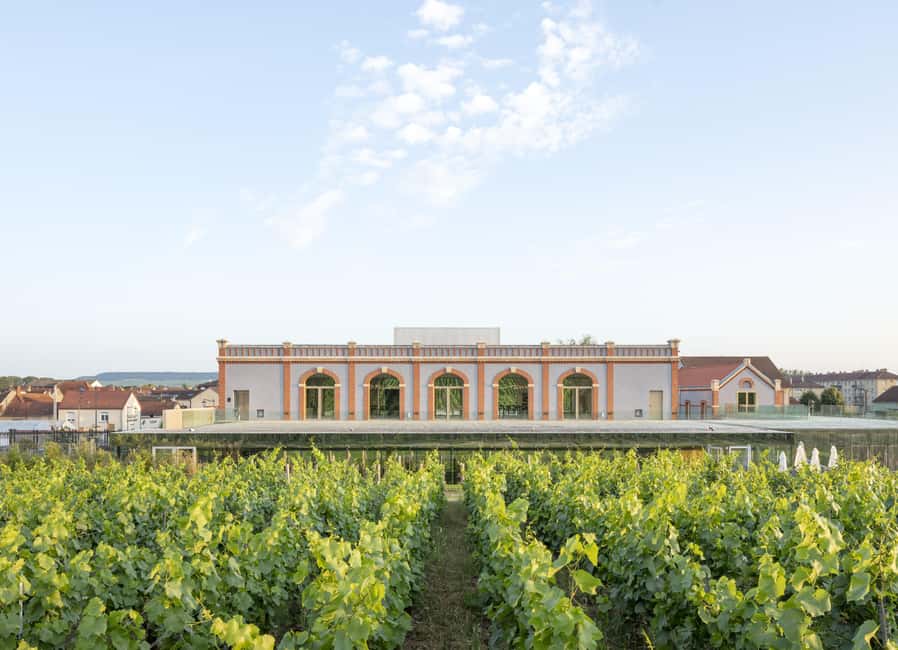
Your practical starting point is parking at Boulevard Pierre Cheval, then heading to Pressoria, the museum called Pressoria – Voyage sensoriel au coeur du Champagne. If you’re driving, you’ll likely find parking around the building convenient enough that you can keep things simple.
I’d treat this as a low-stress stop. You’re not chasing timed checkpoints every few minutes. The museum is open for you to explore, and the main rhythm comes from your own pace and when you reach the tasting area.
What You Actually Do There: A Self-Guided Walk Through Champagne
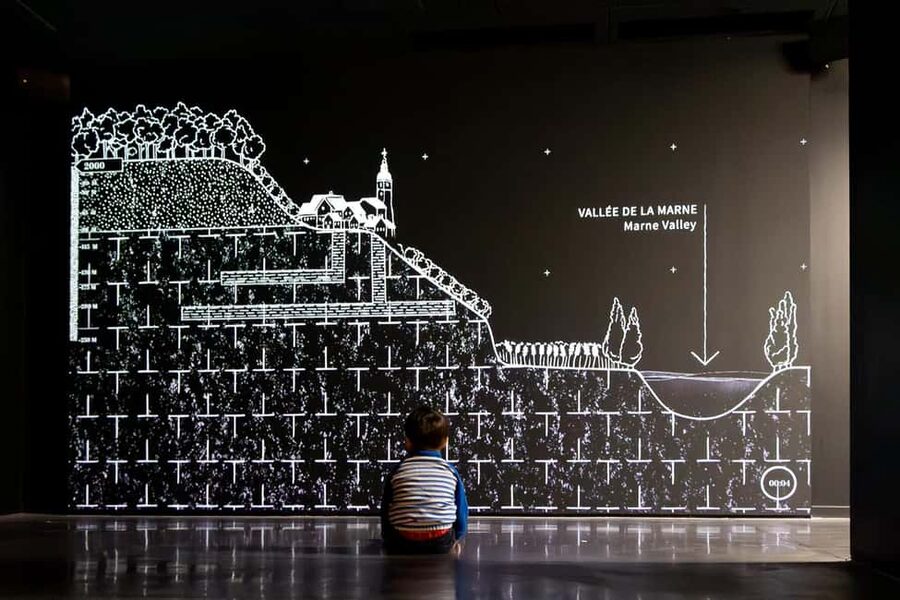
This is a ticket that gets you entrance to the museum, lets you taste two Champagnes, and includes lockers. There’s no guide included, so plan to read signs, watch screens, and follow the flow of rooms.
That self-guided format can be a big plus. You can linger over the parts that hook you (technology rooms, sensory elements, grape pressing), and skip what doesn’t interest you. It’s also nice for mixed groups, where one person wants extra time on the chemistry and another just wants to understand the basics.
The flip side is simple: you’ll need to be the driver of your own learning. If you’re the type who loves asking questions, bring curiosity, because there isn’t a person assigned to explain every step out loud.
From UNESCO Vineyards to the Museum: Why Aÿ-Champagne Feels Like More Than Background
Aÿ-Champagne is presented as a UNESCO world heritage commune, and the museum leans into that sense of place. You’re at the foot of a green French hillside, and the setting matters because Champagne is not just a drink. It’s land, grapes, and weather working together in a specific part of France.
You’ll notice the museum doesn’t treat the Champagne process like it could happen anywhere. It keeps circling back to why the region’s grapes and vineyard practices matter, and how those choices affect flavor.
The “How Champagne Becomes Itself” Route: Soil to Bottle
The museum guides you through the path from grape growing to bottled Champagne. Expect to see clear explanations of:
- the journey from soil to bottle
- how grapes are picked and then pressed
- the stages of fermenting, aging, and bottling
- how each step contributes layers of flavor
What makes this valuable is the cause-and-effect logic. When you understand what happens after the grapes are pressed, the tasting later stops being random. You start tasting with a checklist in your head.
And because the exhibits are interactive and designed to engage multiple senses, the steps stick better. You’re not just reading; you’re experiencing the sequence as a process.
The Sub-Soil and Vineyard Logic: Where Flavor Starts
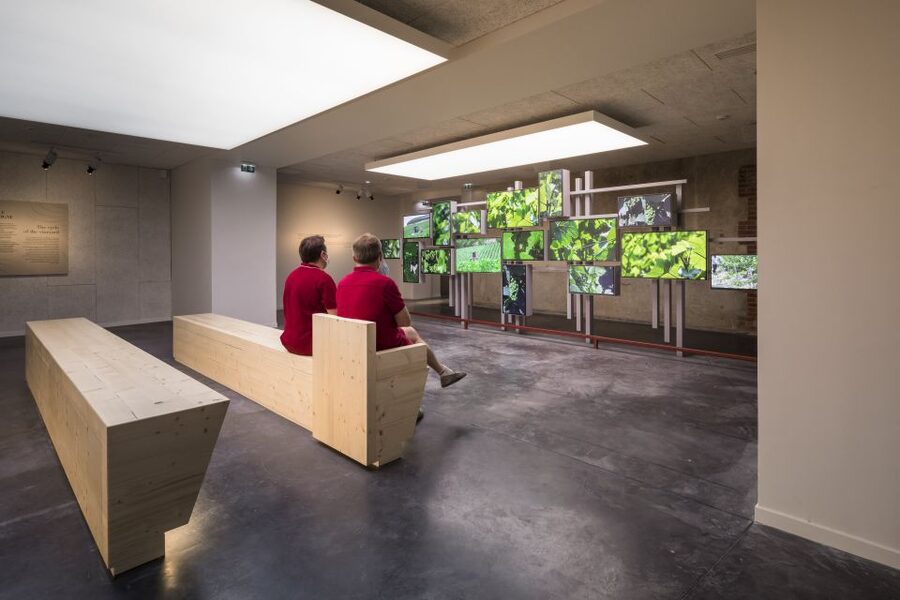
One of the most useful parts for me is the emphasis on the sub-soil and the idea that the ground is part of the recipe. Champagne doesn’t come from one simple trick; it’s built on conditions in the vineyard.
As you move through the museum, you’ll connect the dots between the land and what goes into the grapes. That matters because Champagne is often described with fancy tasting language. The museum helps you translate that language back into real-world steps: vineyard choices, grape handling, and what happens during winemaking.
If you’ve ever tasted Champagne and wondered why two bottles feel so different, this is where you start to understand the range. It’s not about one magic ingredient. It’s about what gets preserved, what gets transformed, and what gets controlled.
Grapes, Pressing, and the Tech-Driven Visuals That Make It Click
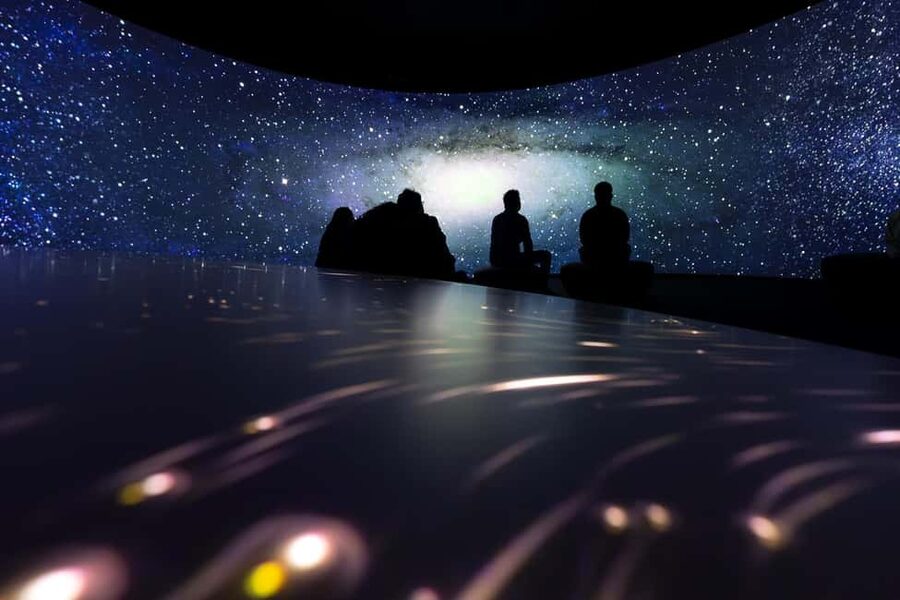
You’ll learn how grapes are picked and pressed, and the exhibits are designed to show the process in a way that feels practical. Even if you don’t know the winemaking basics, the museum structure helps you build them quickly.
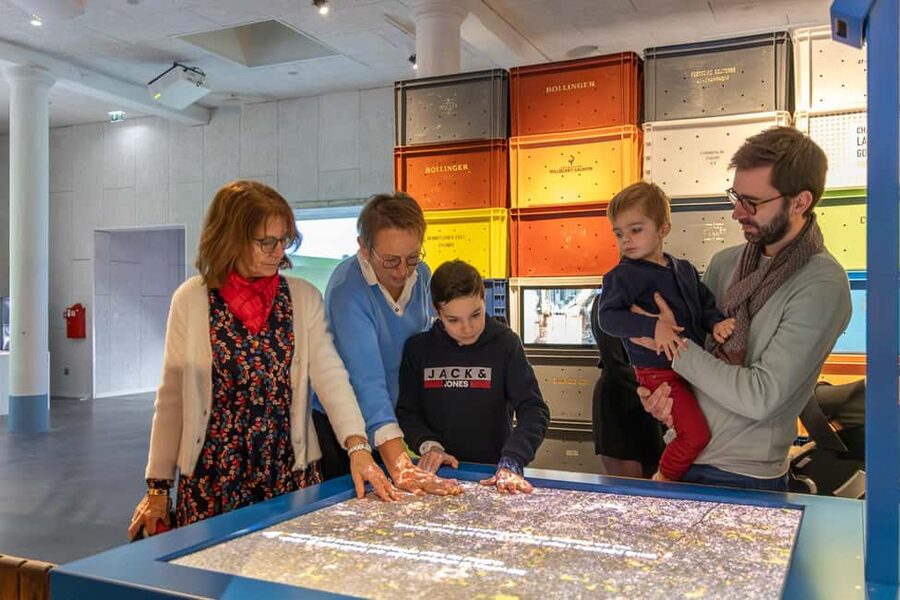
The tech elements can be a big advantage here. Visual and interactive displays make the steps easier to picture, especially parts that are hard to imagine without seeing them. If you’re visiting with kids, this is also where the museum earns points. It’s not just educational content; it’s something you can engage with.
Fermentation, Aging, and Bottling: Turning Steps Into Flavor
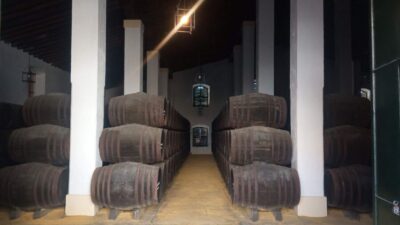
Champagne’s signature character comes from multiple stages working together over time. In Pressoria, you’ll follow the process through fermenting, aging, and bottling, with an emphasis on how Champagne’s complexity is constructed layer by layer.
This section is especially helpful if you’ve mostly experienced Champagne as a celebratory drink. After learning the sequence, you’ll likely see it as more deliberate and technical than you assumed. That doesn’t mean you need to become a wine scientist. It just means you’ll taste with better context.
The Tasting Moment: Two Local Champagnes, Plus a Vineyard View
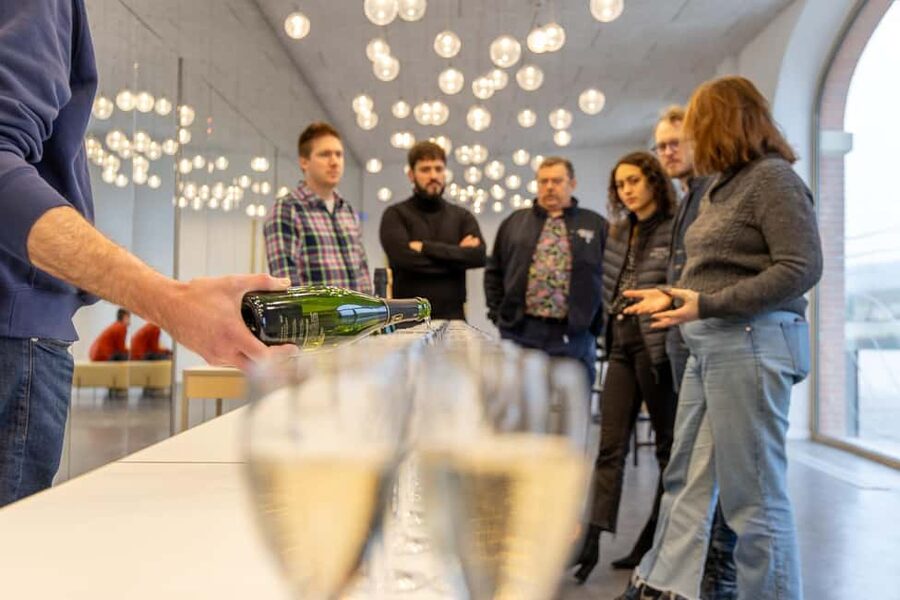
The tasting is the payoff: you’ll sample two Champagnes that come from the local style the museum wants you to understand. The tasting is included in your ticket, so you don’t need to calculate an extra cost to make it worthwhile.
In the best case, the tasting is where everything clicks. You’ll connect the earlier rooms on pressing and aging to what’s in the glass. Even if you don’t read every detail, the process story gives you a framework for noticing differences.
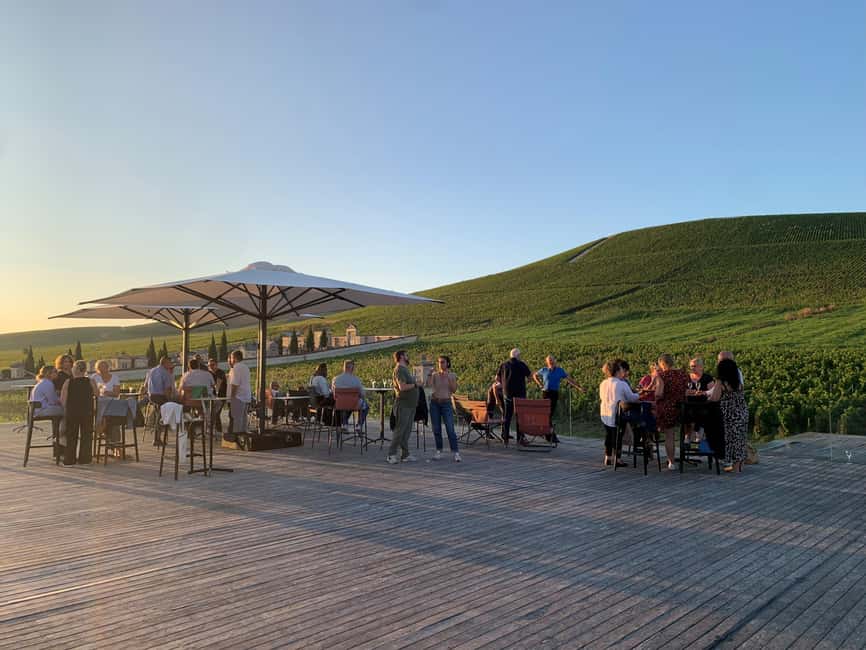
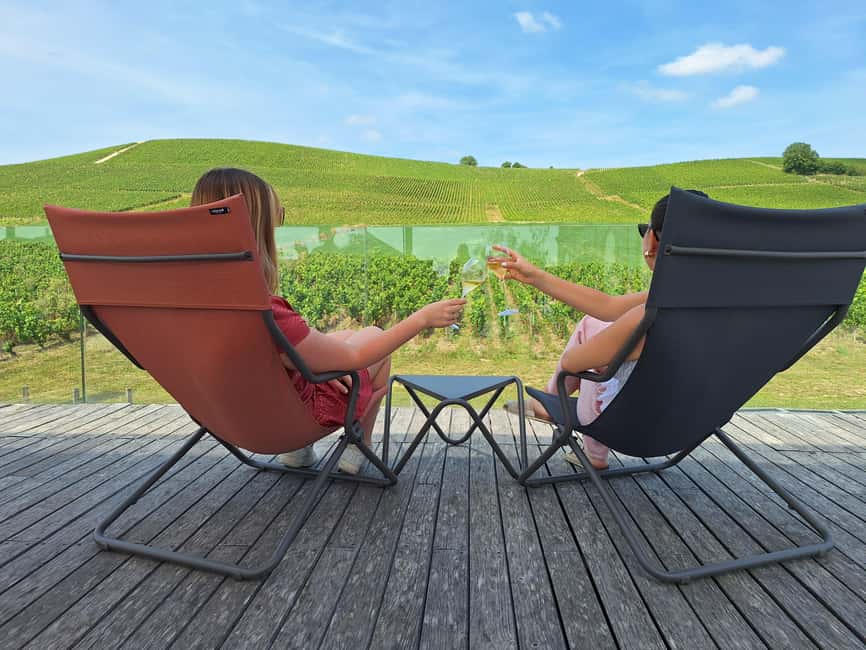
And the setting helps. The tasting is described as happening on a terrace or balcony with views over the vineyards. That calm scene turns a simple sip into a real moment, and it gives you a sense of being in Champagne country rather than just inside a building.
How to Taste Like You Mean It (Without Pretending You’re a Sommelier)
You don’t need fancy wine vocabulary. You just need a plan and a little attention. Here’s a simple way to get more from the included tasting:
- Look for balance: sweetness and dryness, not just bubbles
- Smell first: fruit, toast, or something crisp and clean
- Sip and notice texture: does it feel light and sharp or rounder?
- Think back to what you learned: how aging and bottling shape flavor
Because the museum teaches the process, you can use that knowledge as a tasting guide. For example, if one Champagne tastes more developed or more “layered,” you can remember what aging and time can do.
Price and Value: Is $21 a Good Deal for a One-Day Experience?
At $21 per person for entrance plus tasting (two Champagnes) and lockers, the value is solid, especially compared with experiences where you pay extra for a tasting at the end. The museum also gives you a full self-paced day plan. You’re not just buying a drink; you’re buying time in a structured educational space that leads to tasting.
The only place value can feel weaker is if you strongly prefer live commentary. Since there’s no guide included, you’ll get the most value if you’re comfortable learning by reading, watching, and following the exhibit flow.
Family-Friendly in Real Life: Why Kids Don’t Get Bored Here
Pressoria is set up to be interactive and family-friendly, and that shows in how the exhibits are designed. You can expect sensory and engagement-focused elements rather than long stretches of static information.
This matters because kids often lose interest in wine-related activities. Here, the museum tries to keep their attention through hands-on-style interaction and multiple ways to learn. Adults still get plenty of content, too, so you’re not stuck in a compromise visit.
Practical Tips That Make the Day Smoother
A few small choices can make your visit feel more comfortable and efficient:
- Plan for a full self-paced visit. If you rush, you’ll miss the parts that help the tasting make sense.
- Use the lockers for bags so you can move freely through rooms.
- Bring a phone or small notepad if you like to jot down what you notice while tasting.
- If you’re driving, check for convenient parking around the museum area. There’s parking described as plentiful nearby.
Also, note that food isn’t included. Plan to eat before or after your museum time so you don’t feel distracted.
A Balanced Reality Check: The One Possible Weak Spot
The biggest consideration is the self-guided format. If you want a person to clarify winemaking terms, correct misconceptions, or explain what exactly makes each tasting different, you won’t have that built in.
Second, the souvenir shop may not match every expectation. One review noted they don’t sell Champagne for purchase, so don’t count on being able to buy bottles right there. If buying Champagne is part of your plan, plan that separately.
Who Should Book Pressoria (and Who Might Skip It)
This is a strong fit if you want:
- an easy one-day Champagne education that feels hands-on
- an included tasting (two local Champagnes)
- a calm afternoon setting with vineyard views
- something that works for mixed-age groups
It’s less perfect if:
- you want a guided tour with constant live explanations
- you only care about the tasting and prefer a shorter, drink-focused experience
Should You Book Pressoria Champagne Museum?
If you want Champagne knowledge that actually connects to what you taste, I’d book Pressoria. The combination of an interactive museum experience and an included tasting is good value, and the vineyard terrace view helps the visit land emotionally, not just intellectually.
Book it when you have time to wander. Take the museum slowly enough that the fermentation, aging, and pressing sections help you taste with intention. If you’re expecting a full live-guide cellar tour, adjust your expectations: this is designed for self-guided learning in Champagne country.
FAQ
What is included with the ticket?
Your ticket includes entrance to the museum, a tasting of two Champagnes, and use of lockers. Food is not included.
How long is the experience?
The experience is listed as 1 day.
Is the tour guided?
It’s described as self-guided. The experience includes exploration at your own pace, and it does not include a guide.
What languages are available?
Languages are listed as French and English.
Where should I park and meet?
Park your vehicle at Boulevard Pierre Cheval, then head to the museum Pressoria – Voyage sensoriel au coeur du Champagne.
Is the museum wheelchair accessible?
Yes, the activity is listed as wheelchair accessible.